

Exploring the CAMPUS Pilot Sites
Discover and learn about the strategic pilot areas selected across Italy and Croatia. Here, you will find short profiles of each area, outlining their unique characteristics, current vulnerabilities, and the adaptation strategies being co-designed. Together, these areas form a shared space for innovation, resilience, and heritage protection.
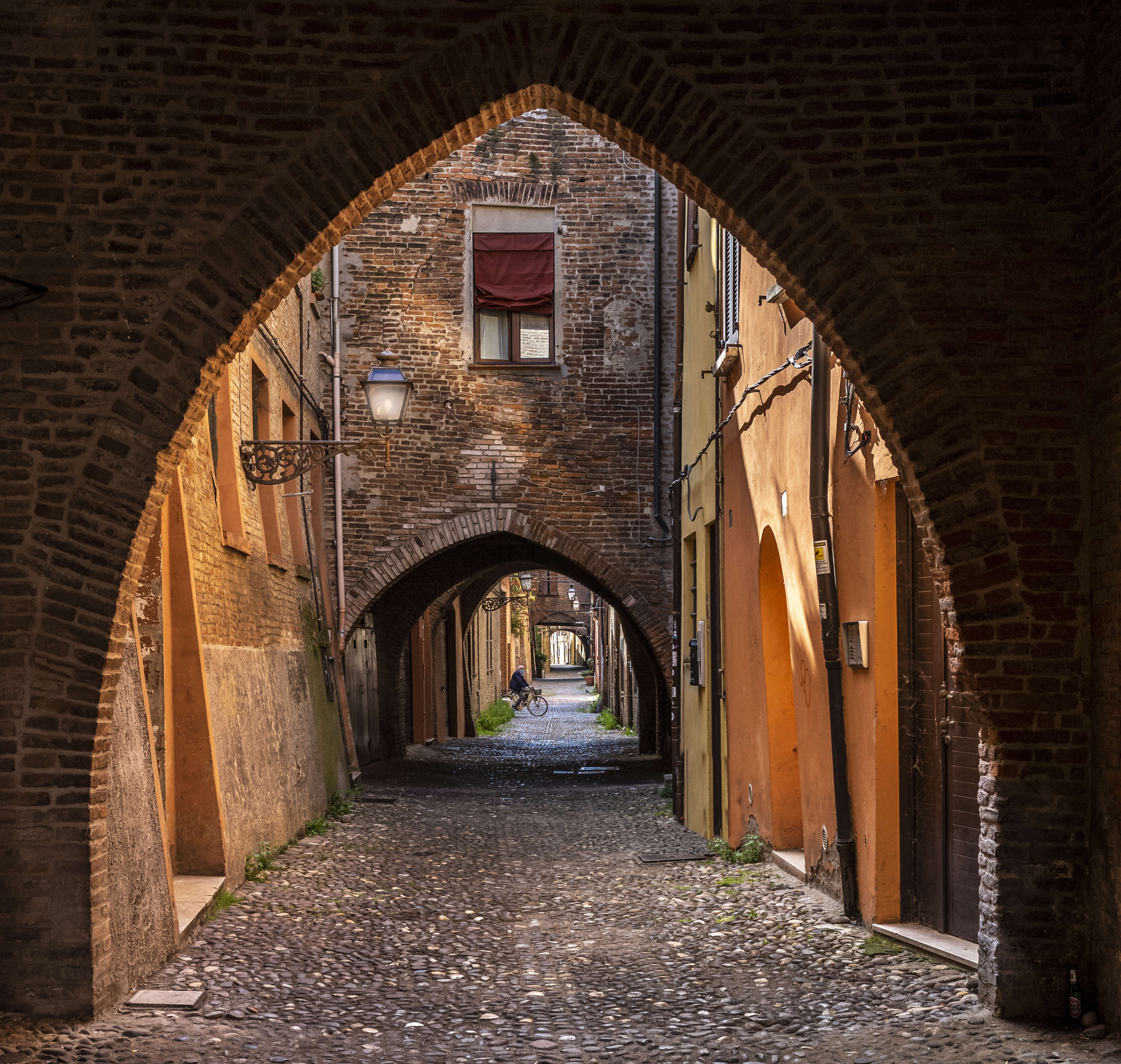
Ferrara, declared a UNESCO World Heritage Site in 1995, represents a unique example of Renaissance urban planning, with a remarkably intact historic fabric. Between the 14th and 16th centuries, the Este court transformed the city into a major cultural hub, attracting artists, poets, and philosophers and fostering the development of new humanist ideas. The “Addizione Erculea”, designed by Biagio Rossetti at the end of the 15th century, was among the first urban plans to apply principles of perspective and proportion, combining humanist ideals with practical needs for urban growth. Ferrara and the surrounding Po Delta form an extraordinary cultural landscape linking the urban center and its rural hinterland. Under Este rule, vast reclamation projects transformed the Delta, creating agricultural estates, roads, and waterways, and the “delizie estensi” – noble residences that reflected the court’s grandeur and the continuity between city and countryside. Ferrara’s Renaissance identity is inseparable from the legacy of the Este family. For two centuries, the city rivaled Florence and Venice in cultural and political influence, hosting artists such as Piero della Francesca, Mantegna, and Michelangelo.
Today, this rich heritage faces growing climate change threats: rising temperatures, intense rainfall, and sea level rise accelerate the deterioration of historic materials, increase flood risks, and stress public spaces and green areas.
Preserving Ferrara means protecting a masterpiece of Renaissance planning and a cultural landscape increasingly vulnerable to environmental change.
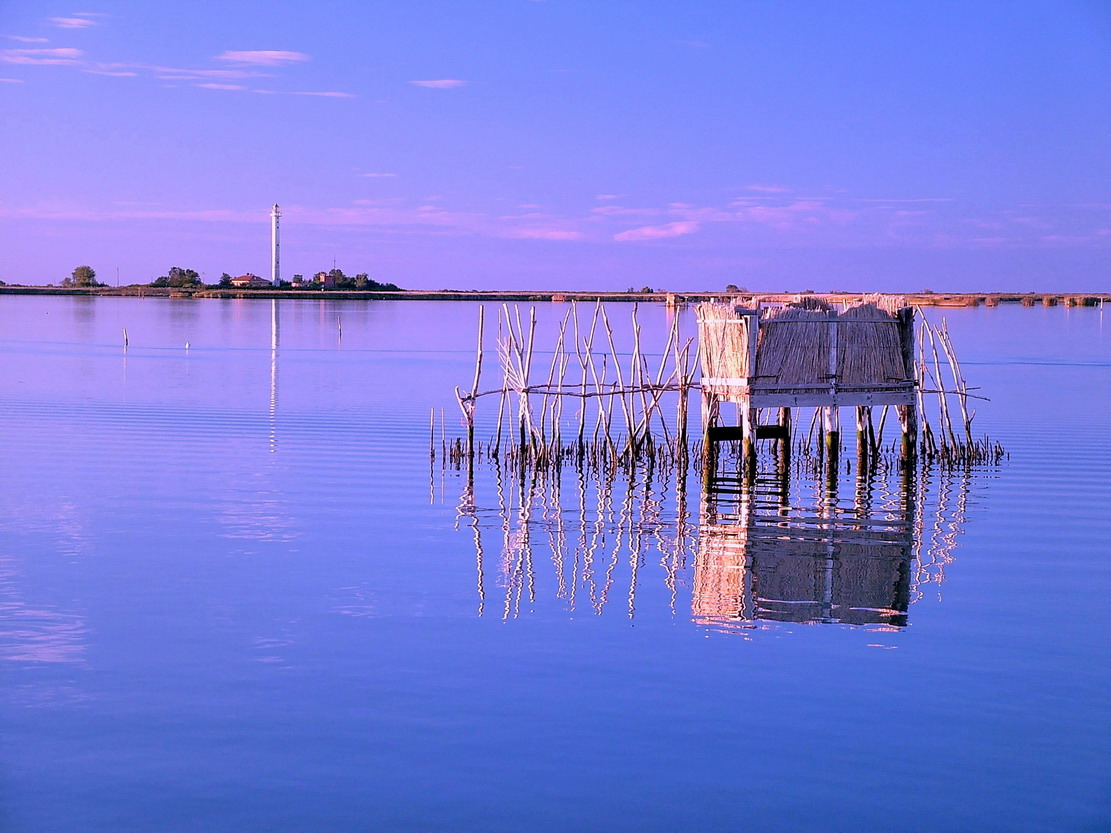
The Veneto Po Delta Regional Park is one of Europe’s most important wetland ecosystems and has been recognized as a UNESCO “Man and the Biosphere” (MaB) Reserve since 2015. This complements the designation of “Ferrara, City of the Renaissance and its Po Delta” as a UNESCO World Heritage Site. The Emilia-Romagna Po Delta Regional Park, established in 1988, and the Veneto Po Delta Regional Park, created in 1997, share the same exceptional natural heritage. The Delta’s current form results from centuries of human intervention — river diversions, embankments, reclamation projects, and the management of fishing valleys — making its balance deeply tied to human activity. The Delta is a mosaic of environments: rivers, lagoons, dunes, forests, and agricultural lands, forming a complex landscape that supports rich biodiversity and key habitats for migratory birds.
However, environmental pressures are increasing. Rising sea levels, saltwater intrusion, higher temperatures, and invasive species are altering the ecosystem. Native species such as eel and sturgeon are under threat, while invasive plants like Ailanthus altissima spread rapidly. Hydraulic infrastructure and widespread photovoltaic installations further change the Delta’s dynamics. UNESCO Biosphere Reserves promote the integration of sustainable development and biodiversity conservation, functioning as living laboratories for innovative environmental practices. According to the Seville Strategy (1995), they fulfill three roles: fostering sustainable development, conserving ecosystems and species, and supporting research, education, and policy innovation — extending their positive impact at both local and international levels.
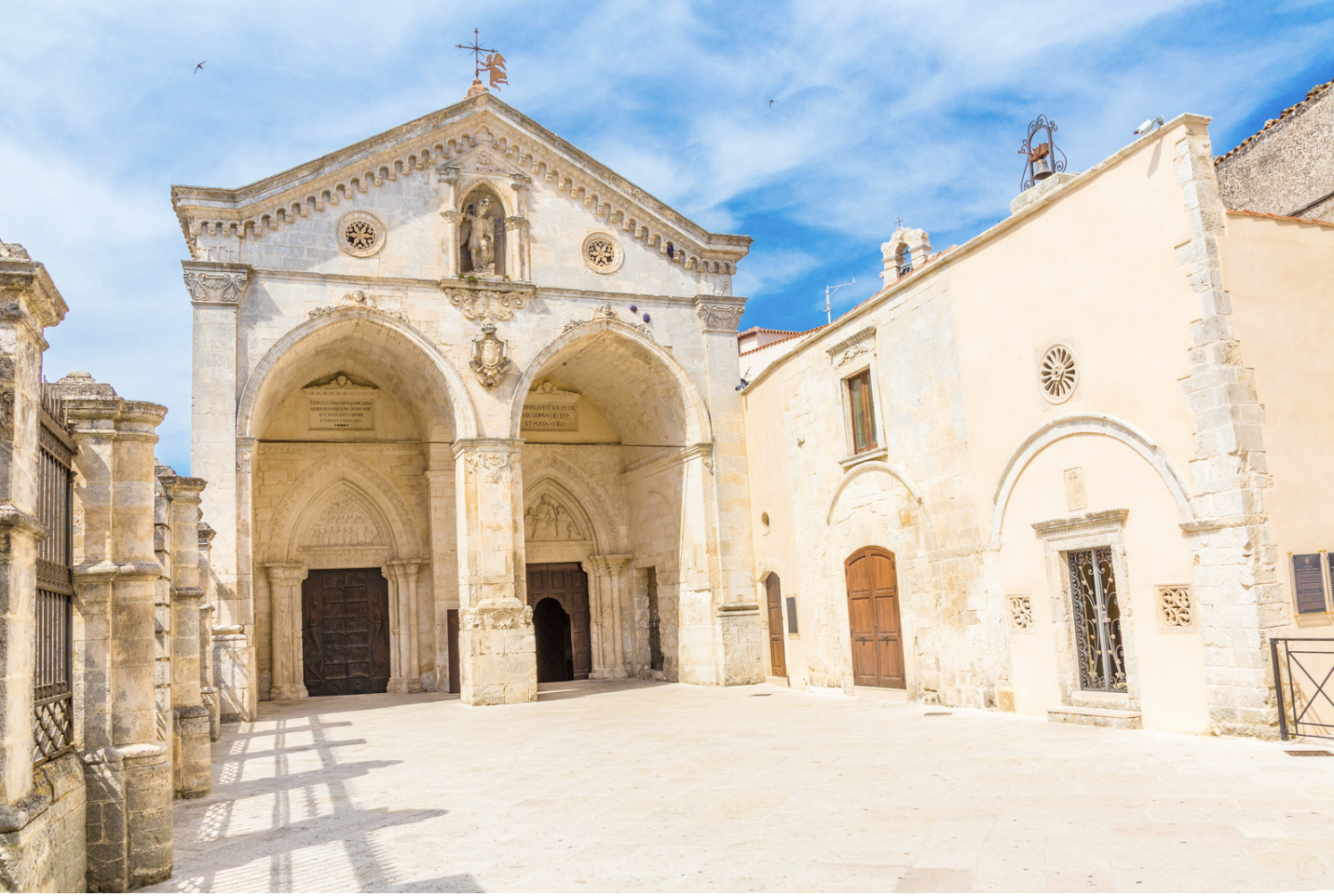
Located in Apulia, on the slopes of the Gargano promontory at about 843 meters, the Sanctuary of San Michele Arcangelo in Monte Sant’Angelo is one of the oldest and most venerated Christian pilgrimage sites in Western Europe. Built around a natural cave where the Archangel Michael is said to have appeared, the sanctuary dates back to the 5th century and symbolizes deep religious devotion and cultural heritage. Recognized by UNESCO in 2011 as part of “The Longobards in Italy: Places of Power (568–774 A.D.)”, it reflects a fusion of Roman, Christian, Byzantine, and Germanic influences. Its architecture includes a Romanesque portal, octagonal bell tower, and chapels centered around the sacred cave.
The site played a key role in shaping medieval Christianity, reinforcing monastic traditions and making Monte Sant’Angelo a major pilgrimage destination. Set within a karstic plateau overlooking the Adriatic Sea, it lies near the Foresta Umbra, also a UNESCO World Natural Heritage Site, underscoring the area’s environmental importance. However, the sanctuary faces growing climate-related threats. Intense rainfall and storms cause erosion and structural weakening, while temperature fluctuations and humidity promote biological growth damaging frescoes and stonework. Rising temperatures, pollution, and poor air quality accelerate material decay, and the site’s seismic vulnerability adds further risk. High visitor numbers, vandalism, and inadequate restoration techniques pose additional anthropogenic pressures, affecting both its authenticity and sustainability. Despite these challenges, the Sanctuary remains a place of profound spiritual and cultural significance — a living testimony to centuries of faith, art, and resilience, whose preservation demands integrated strategies combining climate adaptation, conservation, and community engagement.
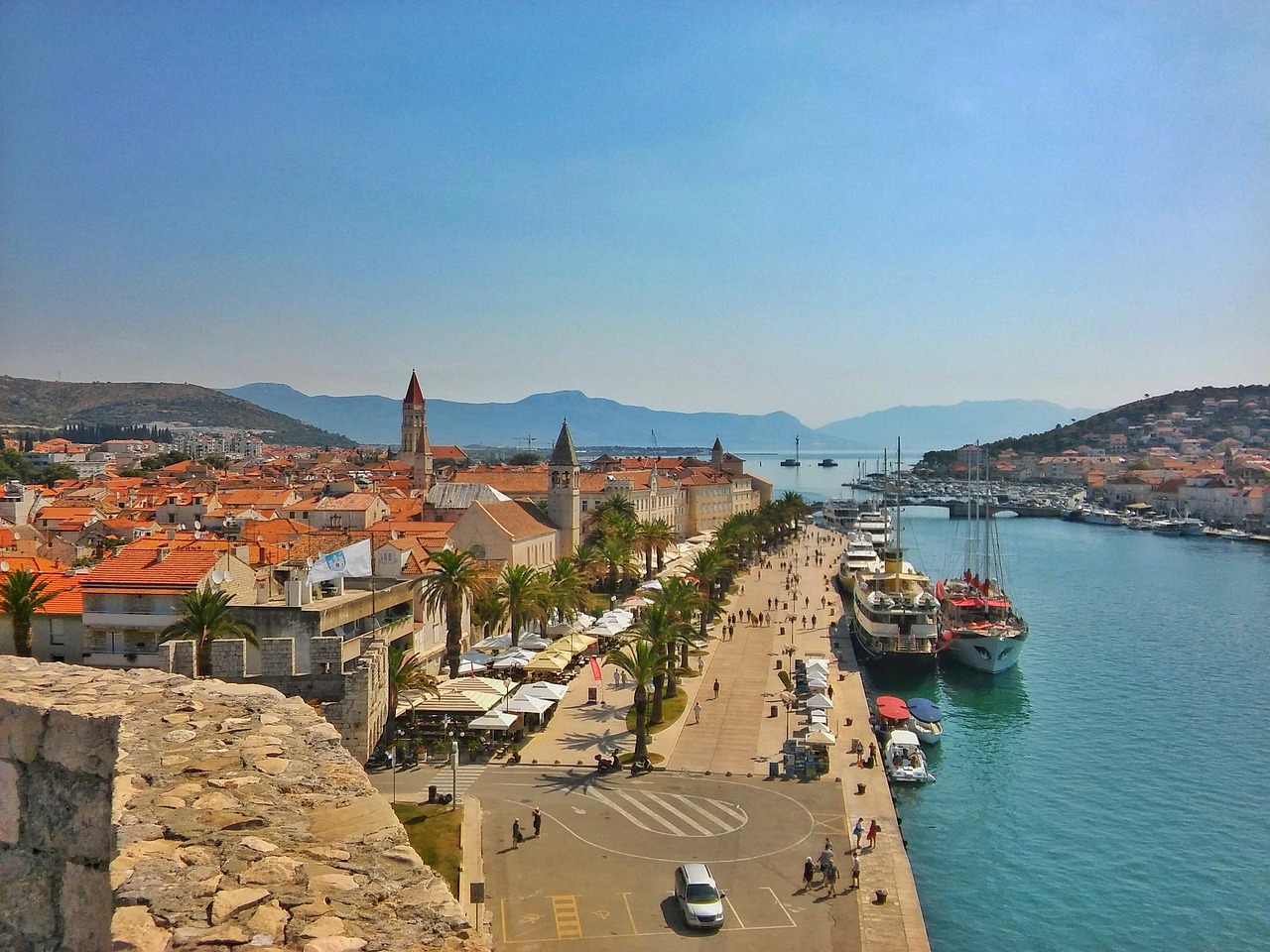
Trogir, a small island city on Croatia’s Adriatic coast, has been a UNESCO World Heritage Site since 1997. Despite its compact size, it holds immense historical and cultural value, offering a remarkable testimony to the urban and artistic continuity of the Adriatic region. The city’s Romanesque-Gothic core is one of the best-preserved examples of a medieval town developed on the layout of a classical Hellenistic settlement. Founded in antiquity and shaped by Greek, Roman, Byzantine, Hungarian, and Venetian influences, Trogir reflects a unique synthesis of Mediterranean civilizations. Its orthogonal street grid, dating to the Hellenistic period, still defines the urban structure today, while Romanesque churches, Renaissance loggias, and Baroque civic buildings showcase centuries of artistic evolution. Trogir’s exceptional preservation allows its ancient fabric to remain largely intact, making the city a living museum. Yet, this delicate balance is under growing threat from climate change. Rising sea levels, flooding, and extreme weather events endanger its low-lying historic center. Droughts, temperature shifts, and humidity changes accelerate stone deterioration, while freeze–thaw cycles and air pollution further damage historic materials. Human pressures compound these risks. Mass tourism, vandalism, and inadequate waste management harm the city’s aesthetic and structural integrity. Limited maintenance resources and inappropriate renovations undermine authenticity, while social changes and youth migration weaken the continuity of local traditions and community stewardship.
Despite these challenges, Trogir remains a beacon of Adriatic history and identity. Through integrated conservation, sustainable tourism management, and community engagement, its unique heritage can be preserved for future generations — safeguarding not only an architectural masterpiece but the cultural soul of the Adriatic.
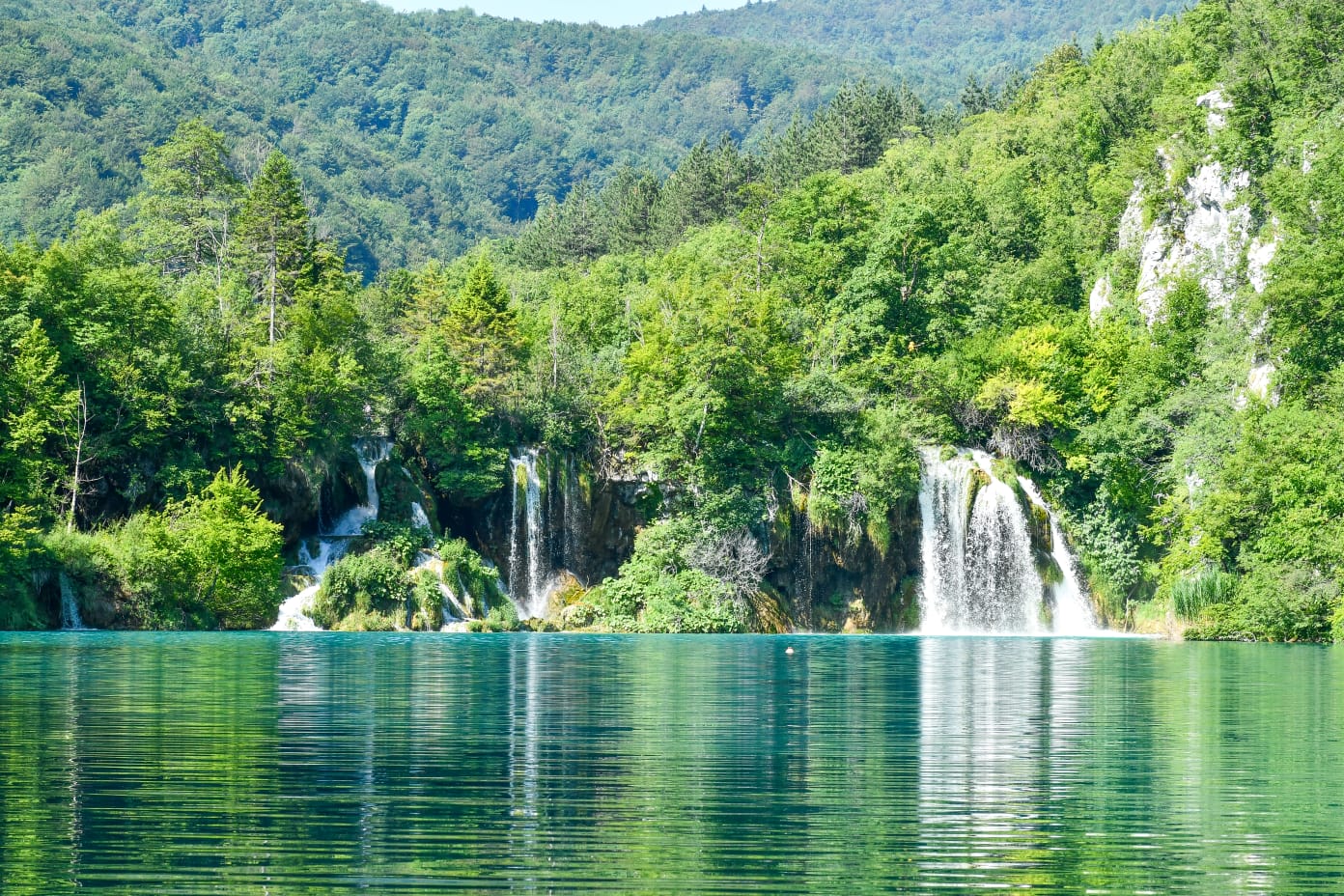
Plitvice Lakes National Park, inscribed on the UNESCO World Heritage List in 1979, lies within the Dinarides region, surrounded by forests and meadows. The park conserves an extraordinary system of lakes formed by natural tufa barriers, created through the interaction of water, air, sediments, and living organisms. This ongoing tufa formation process — where calcium carbonate deposits build porous limestone barriers — shapes the park’s unique landscape of lakes, waterfalls, and crystal-clear waters. These features make Plitvice an exceptional natural spectacle and a living example of a dynamic geological and ecological system. Microscopic life forms such as mosses, algae, and bacteria play a vital role in the creation of tufa barriers by facilitating calcium carbonate sedimentation. Their presence depends on pristine water quality, highlighting the delicate balance between geological and biological processes that define the site. Climate change increasingly affects this equilibrium, with extreme weather, altered water levels, and phenological shifts in species leading to erosion and breakage of tufa barriers. Additional pressures include grassland succession due to land abandonment, invasive plant species, and the spread of signal crayfish.
The National Park management and Conservation Service, under the guidance of the Ministry of Environment and Green Transition, continuously monitor these changes. Recent reports have raised concerns about erosion in the Upper Lake system and the need for targeted restoration. Although the site lacks a buffer zone, major border threats remain limited. However, illegal hunting, migrant movements, and tourism-related construction pose potential risks. Plitvice Lakes continues to stand as a globally significant example of natural processes in motion, where protection of ecological integrity is essential to sustaining its beauty and scientific value.