

CAMPUS in Gospić: Building Climate Resilience for UNESCO Sites
08/05/2026
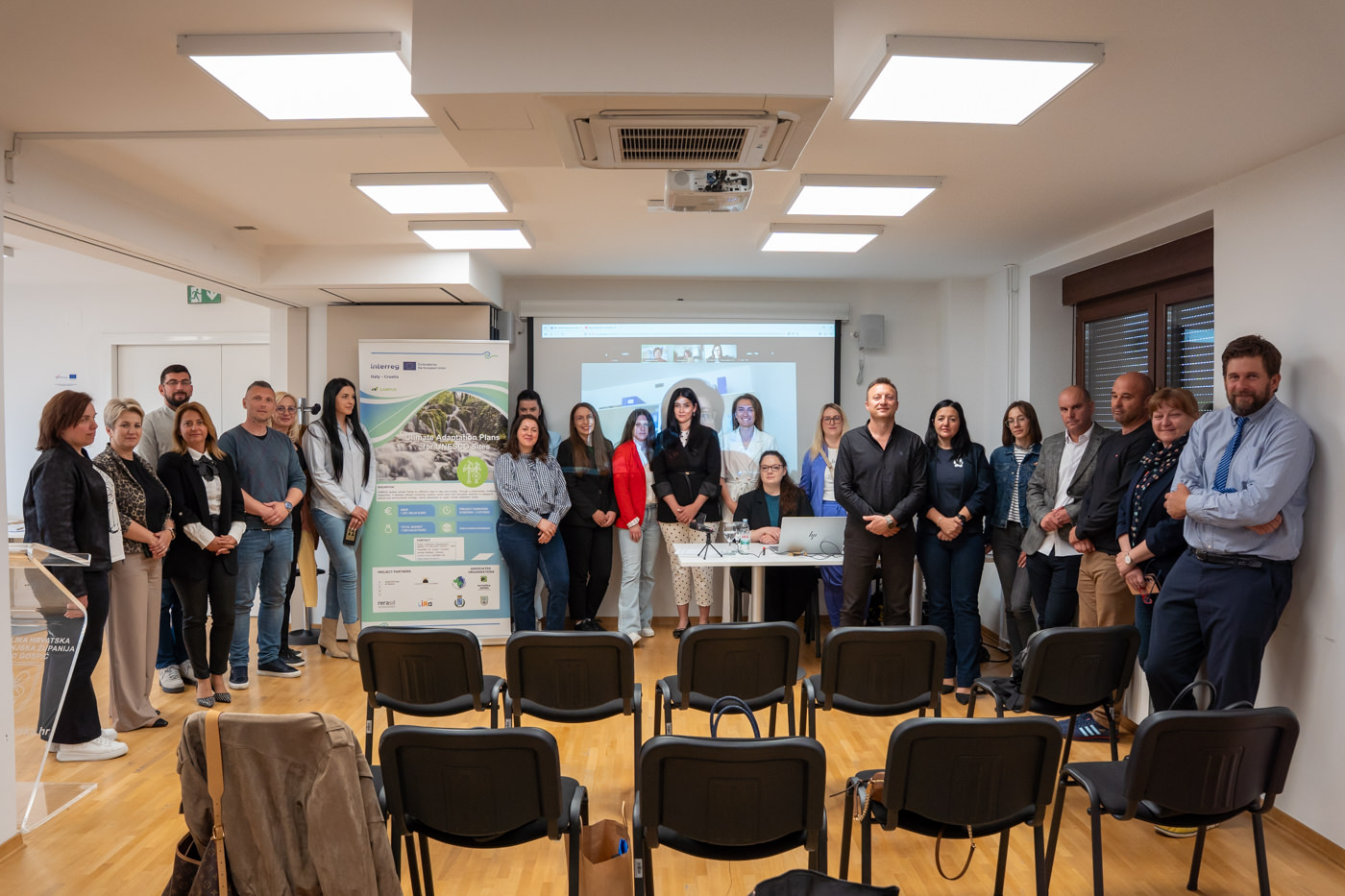
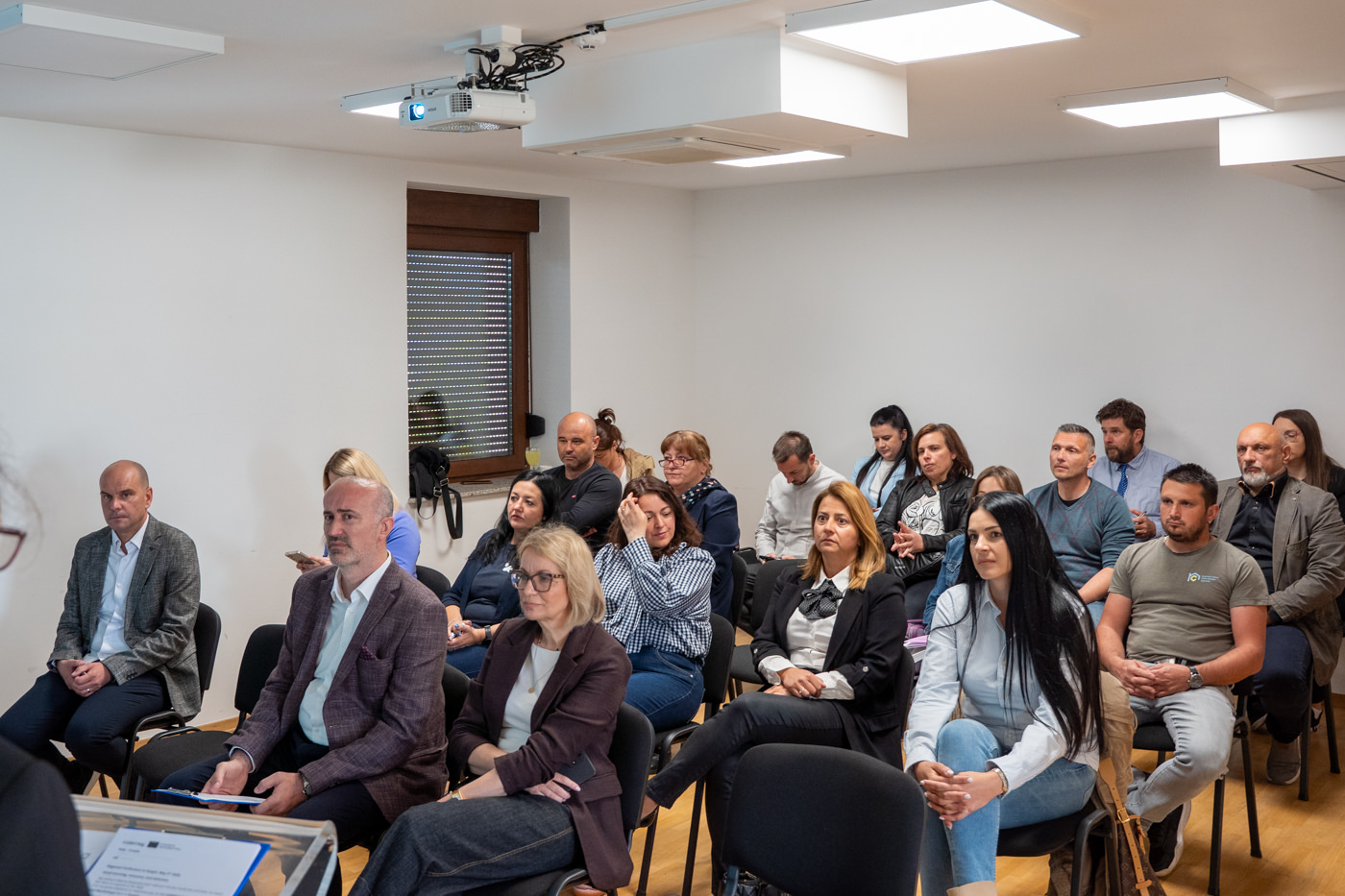
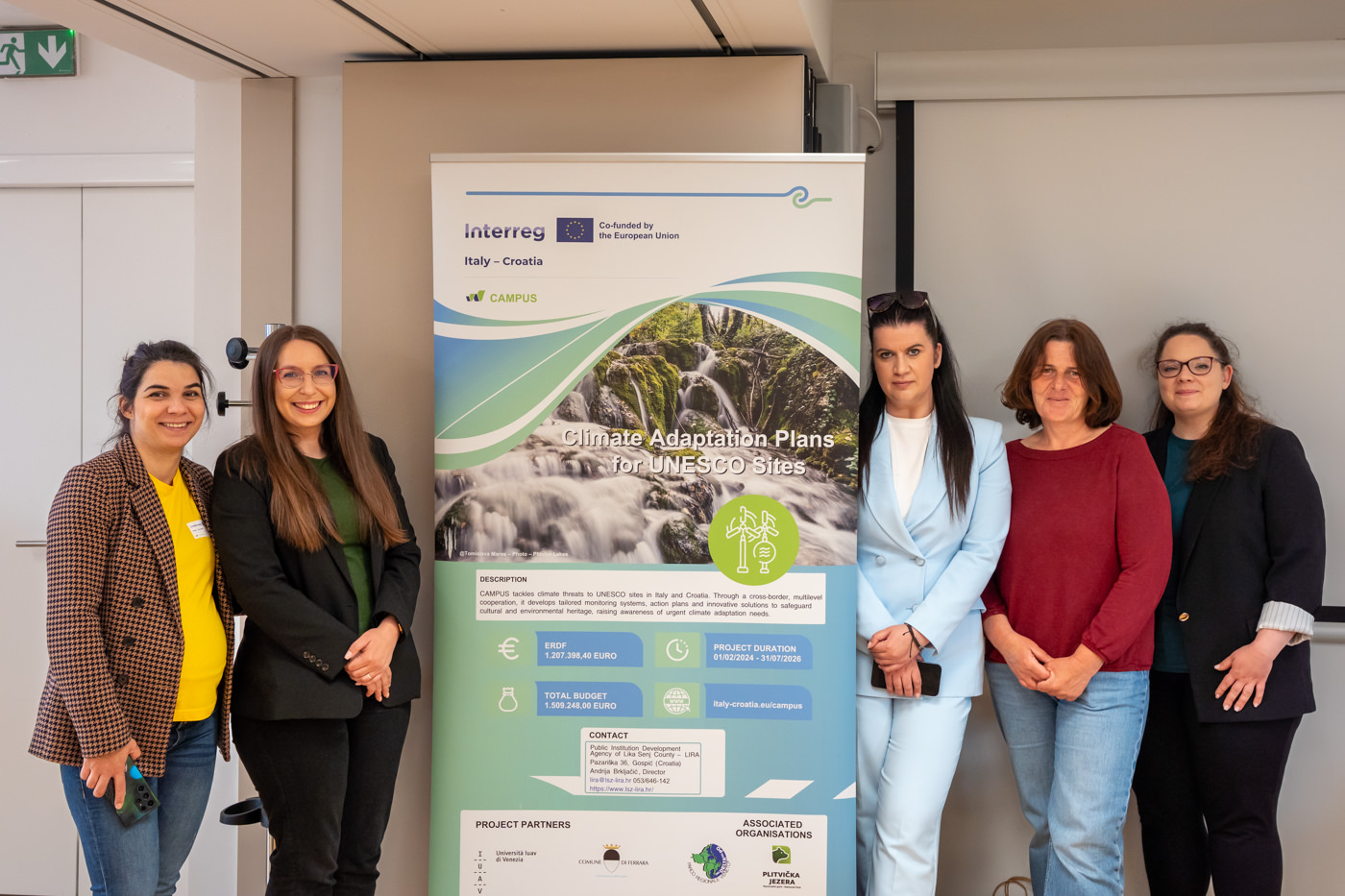
On May 5, 2026, the CAMPUS regional conference and workshops were held in Gospić, organized by the Public Institution of the Lika-Senj County Development Agency – LIRA (PP5), in cooperation with the Plitvice Lakes National Park (AO1), as part of the CAMPUS – Climate Adaptation Plans for UNESCO Sites project, which is implemented through the Interreg Italy–Croatia 2021–2027 Cross-border Cooperation Programme.
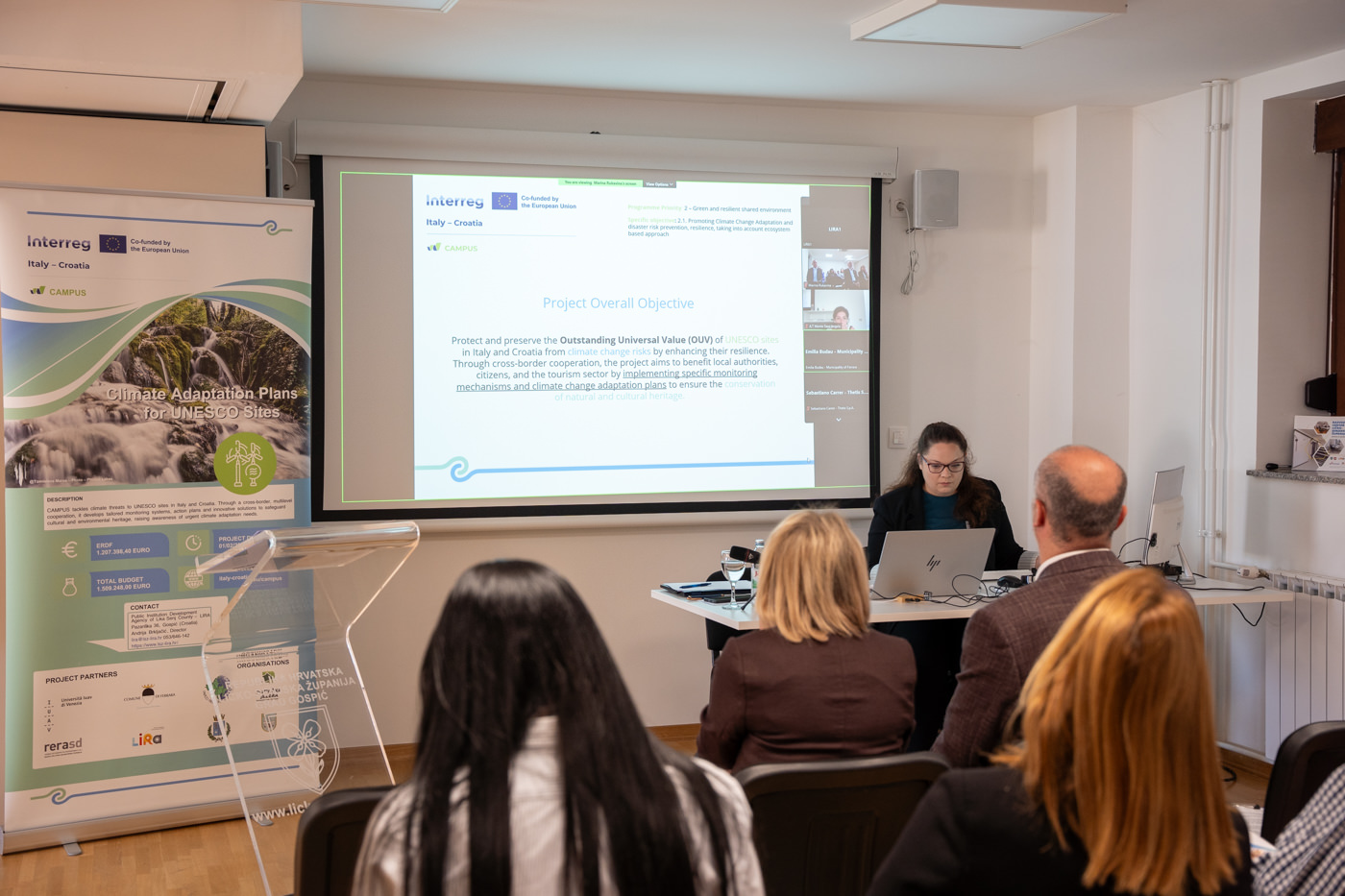
The event brought together project partners from Croatia and Italy, representatives of institutions, experts and relevant stakeholders who participated live and online, which further confirmed the cross-border and collaborative nature of the project. In the introductory part of the conference, it was emphasized that the goal of the meeting was to exchange knowledge, present the progress of the project so far, and discuss the challenges and possible solutions related to climate change adaptation at UNESCO sites in Croatia and Italy.
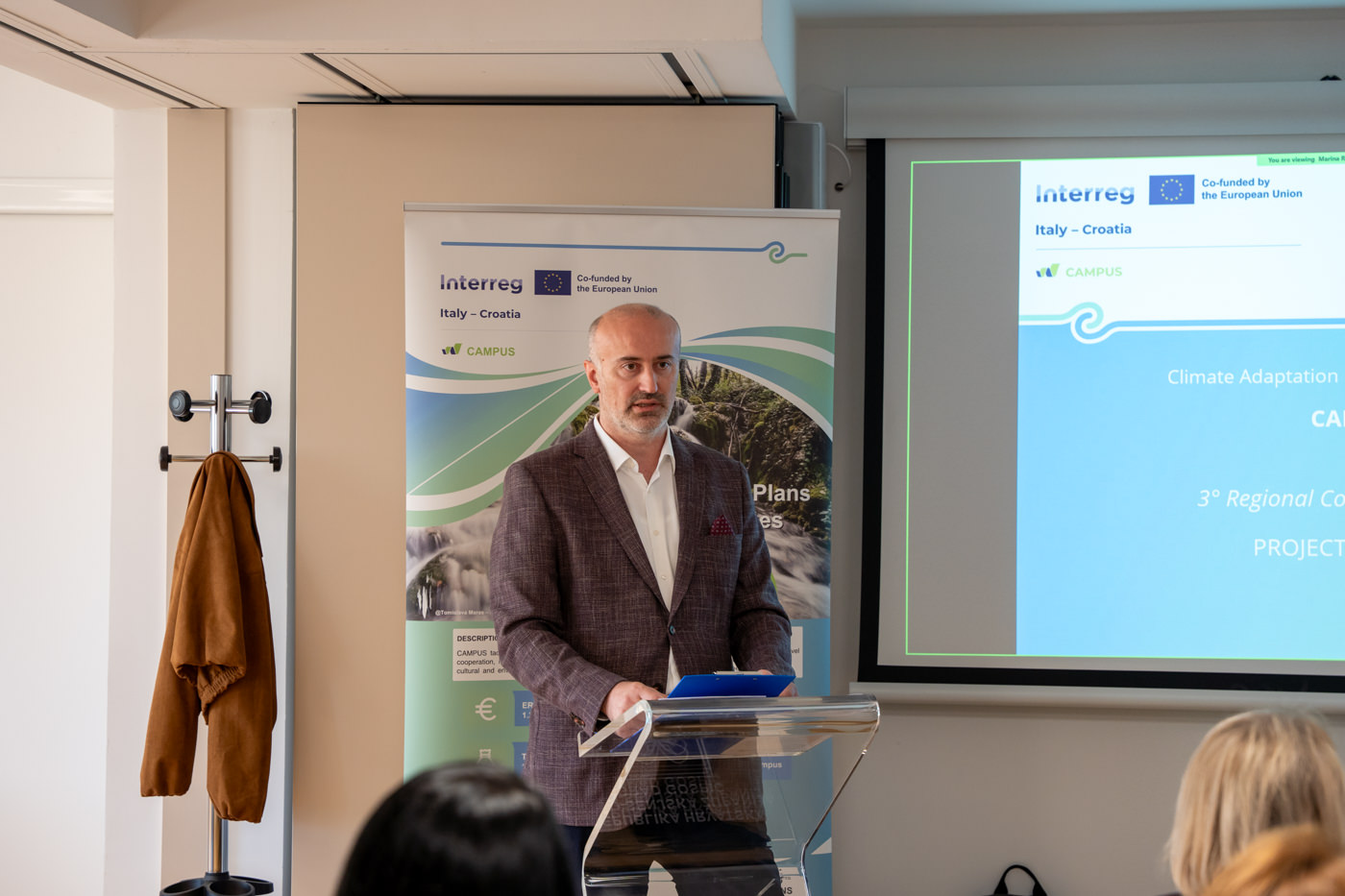
On behalf of the organizers, the participants were addressed by the Director of LIRA, Andrija Brkljačić, who welcomed all project partners and conference participants and thanked the Plitvice Lakes National Park for their cooperation in the preparation and implementation of the event. He emphasized that the CAMPUS project is of great importance for strengthening the resilience of UNESCO sites and their surrounding areas to climate change and stressed the importance of cooperation between institutions, sectors and territories in the process of climate change adaptation.
As part of the introductory speeches, the importance of the project for the Lika-Senj County and the UNESCO site Plitvice Lakes National Park was also particularly emphasized, for which the project is developing a Climate Change Adaptation Plan. It was also emphasized that climate change adaptation is no longer just a strategic issue, but also a practical need that requires continuous cooperation and involvement of various stakeholders.
The conference included several project activities, including the Regional Conference (D.2.5.1), Integration Workshop (D.2.4.1) and Workshop on the Monitoring System Tool for UNESCO Sites (D.1.5.2). During the program, the objectives and results of the CAMPUS project, the cross-border guidelines for climate change adaptation and the approaches to developing adaptation plans developed by the project partners were presented.
In panel discussions, participants discussed local and regional challenges related to climate change, examples of good practice and possibilities for implementing adaptation measures. Special emphasis was placed on the exchange of experiences between project partners from Croatia and Italy and on pilot measures that can contribute to more resilient management of UNESCO sites.
As part of the workshops, the tool for the UNESCO site monitoring system was also presented, including a demonstration of working with indicators and examples of its application in practice. The integration part of the program focused on the possibilities of incorporating project results into local and regional policies and on defining further steps in implementing climate change adaptation measures.
By holding a regional conference and workshops, the CAMPUS project further confirmed the importance of cross-border cooperation, knowledge exchange and joint planning in facing the challenges of climate change in areas of exceptional natural and cultural value.