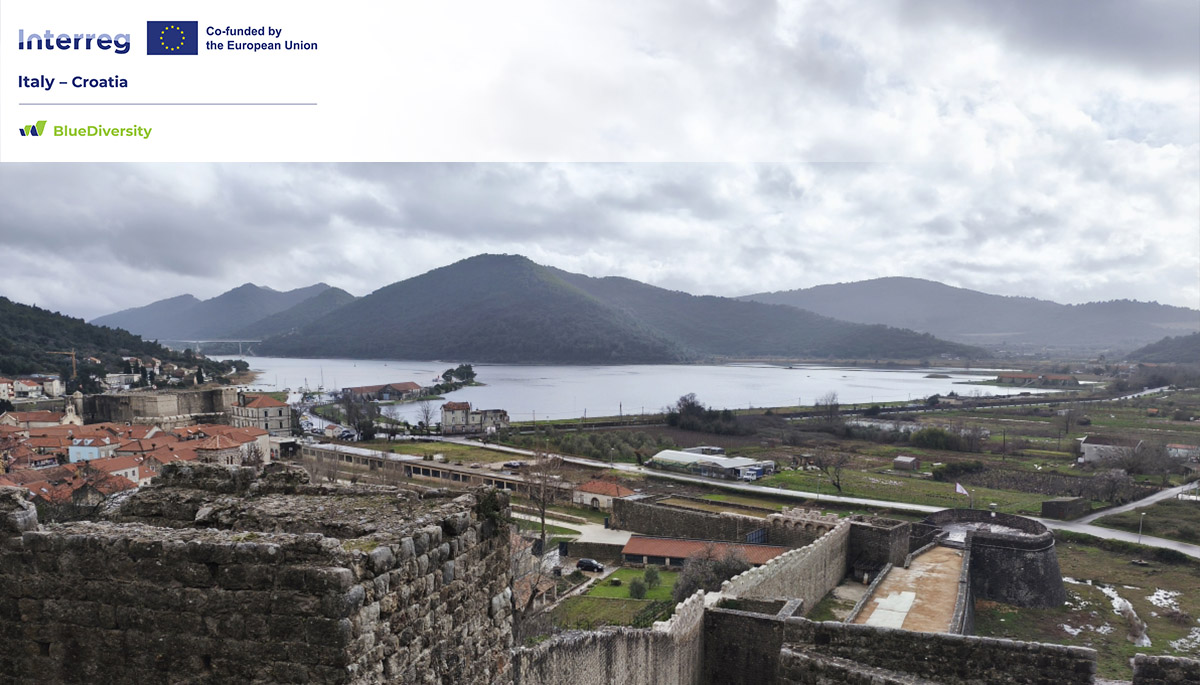


4th Project meeting in Dubrovnik (HR) and online
13/02/2026
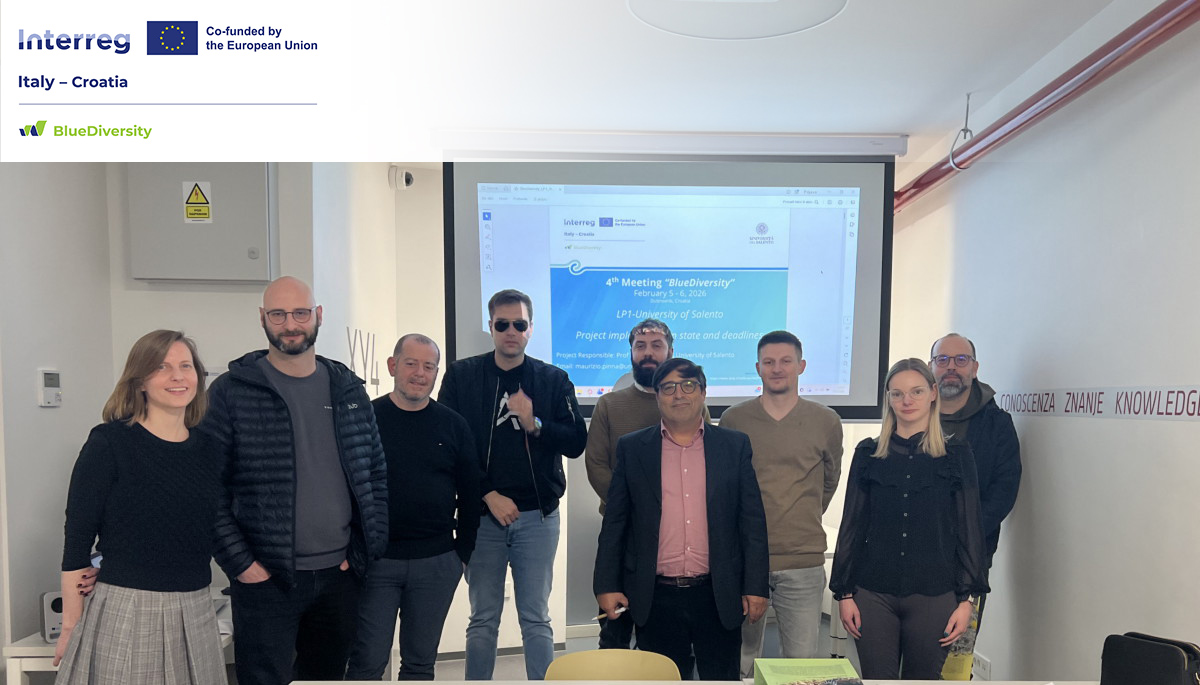
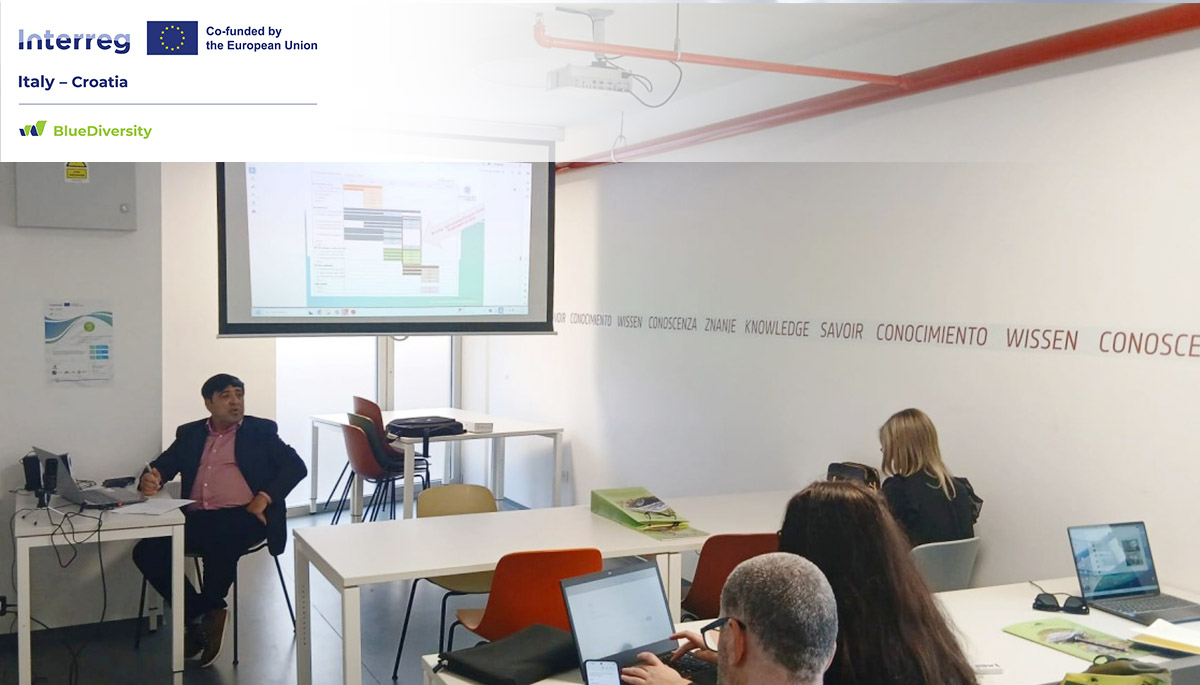
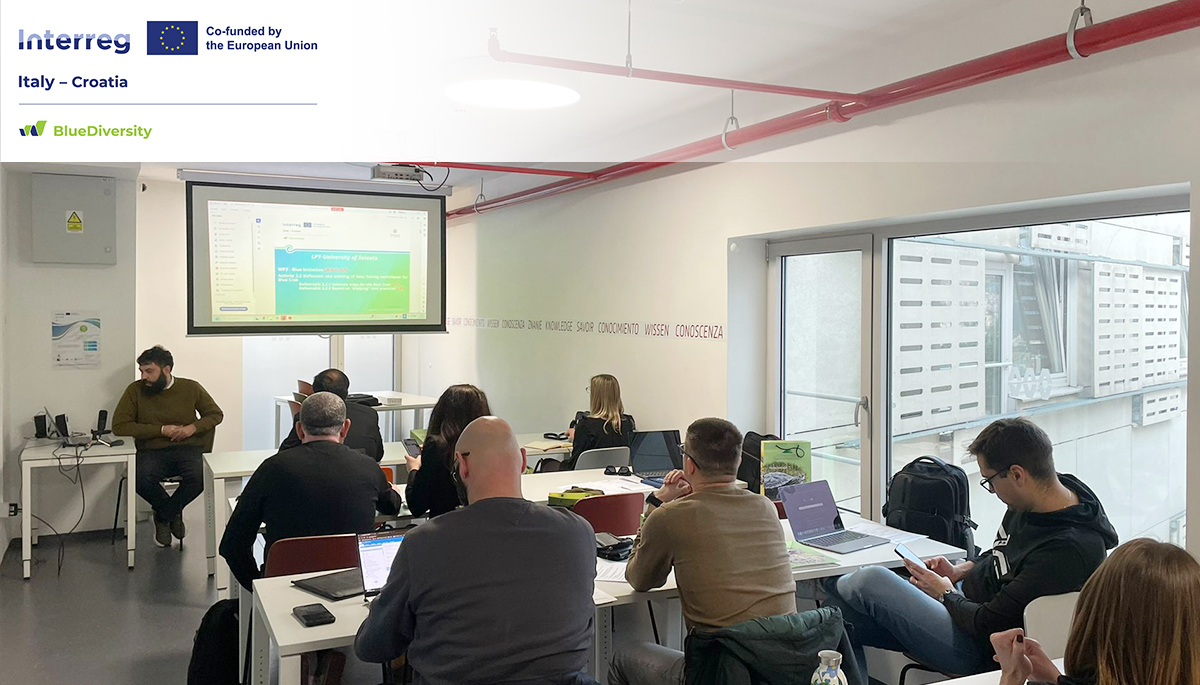
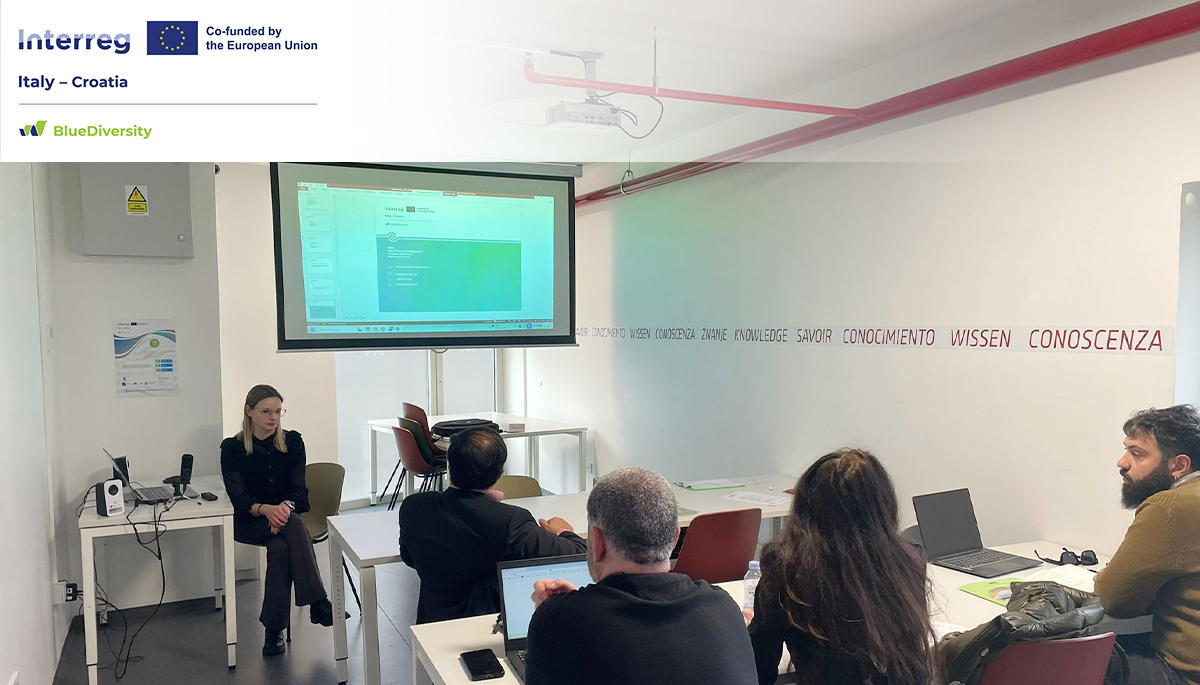
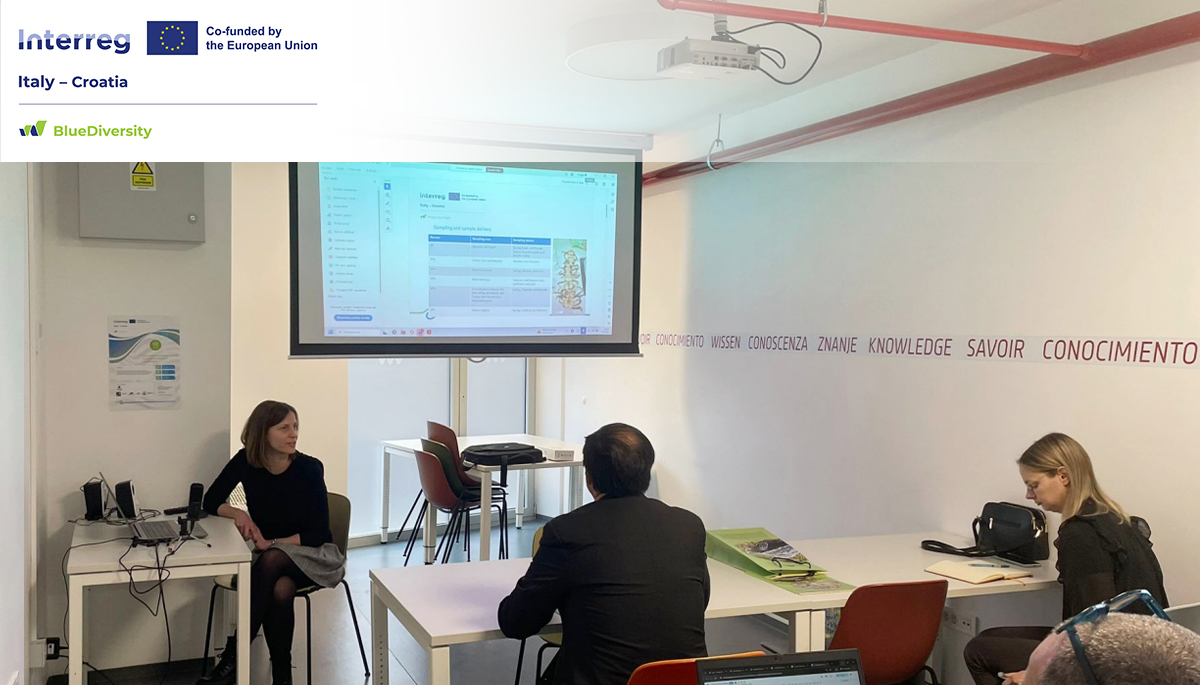
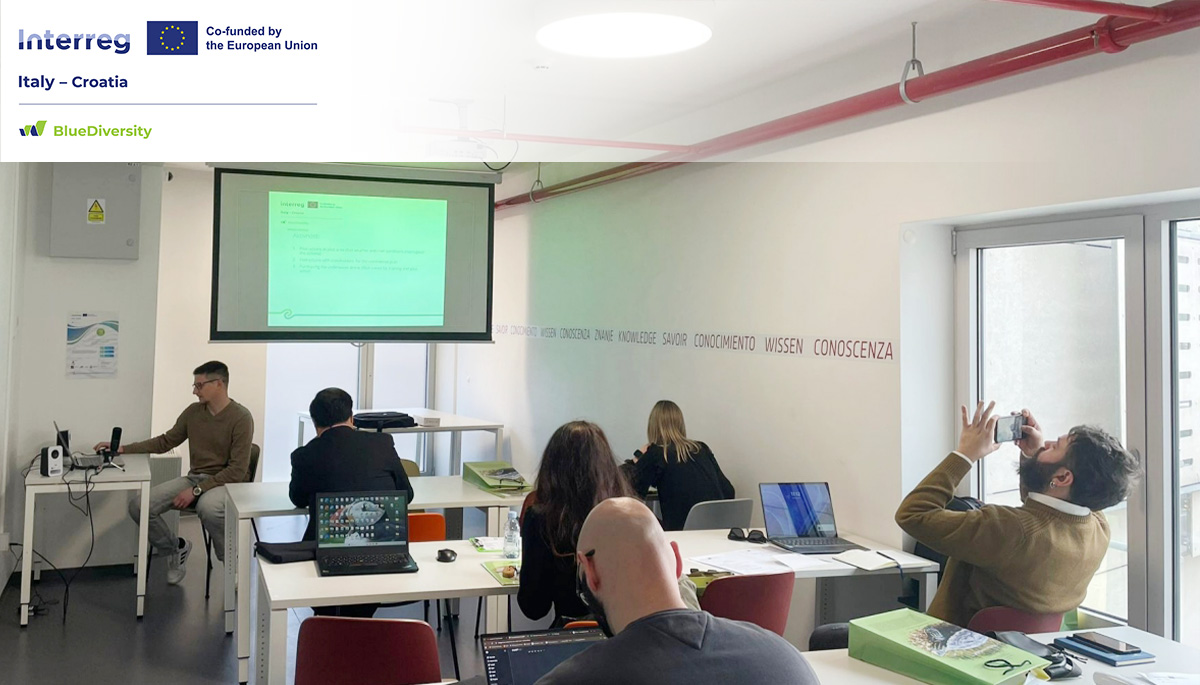
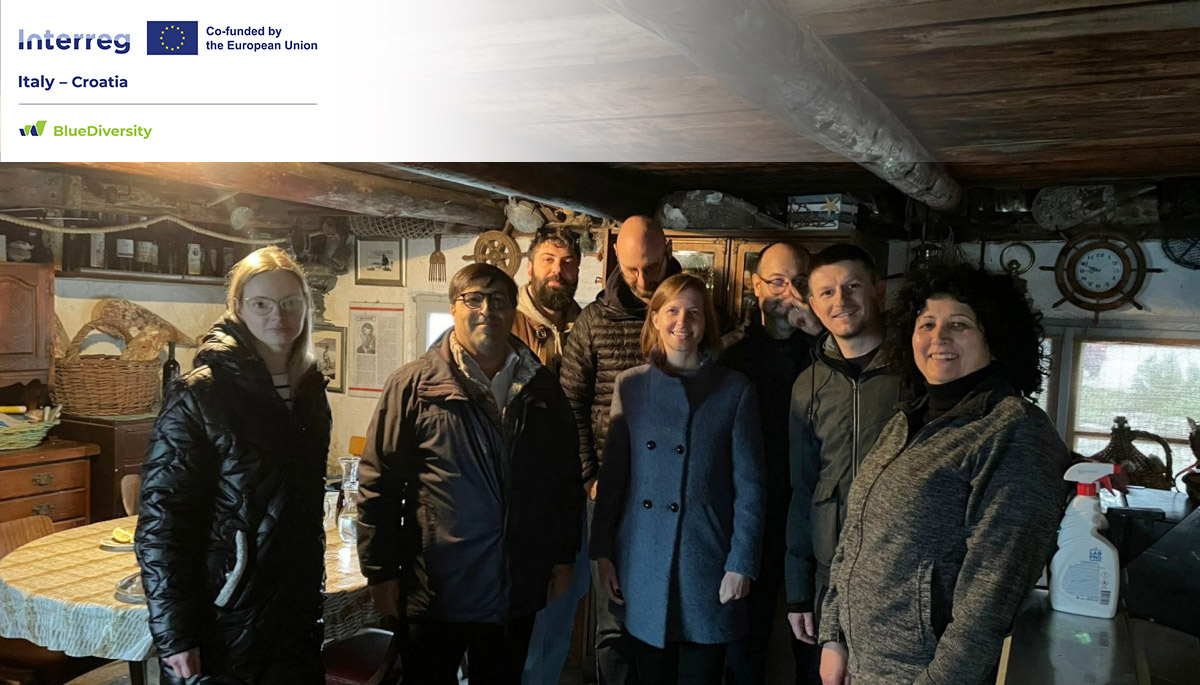
On February 05–06, 2026, partners of the BlueDiversity project from Italy and Croatia gathered in Dubrovnik (HR) for the 4th project meeting in a two-day event hosted by the Public Institution for the Management of Protected Natural Areas of Dubrovnik-Neretva County – PIDNC.
On February 05, 2026, the meeting took place at the Akademis Academia Hotel and online. The BlueDiversity project partners, coordinated by the Department of Biological and Environmental Sciences and Technologies of the University of Salento, discussed the project's implementations, as well as the progress of the various project partners' activities, next meetings, and final perspective.
The various "BLUE" initiatives for the protection of biodiversity and sustainable aquaculture were illustrated, such as:
- definition and testing the best fishing techniques for Blue Crab with new experimental traps;
- protection of biodiversity and NIS management through innovative molecular tools;
- study for the recycling cycle of nylon fishing nets;
- market analysis for sustainable alternatives to plastic materials in aquaculture sites;
- analysis on pollutants effects on mussel’s gene expression;
- reports on the nutritional and chemical properties of blue crab;
- mapping of new potential "blue" tourist routes;
- aerial photogrammetric survey to verify compliance with issued mariculture concessions and improve data availability for decision-making;
- meetings and activities with the various stakeholders;
- calls for professionals and students activated by the project.
The project partners also listed the various activities of the pilot areas as well as the involvement of stakeholders for cooperation, including in the commercial field.
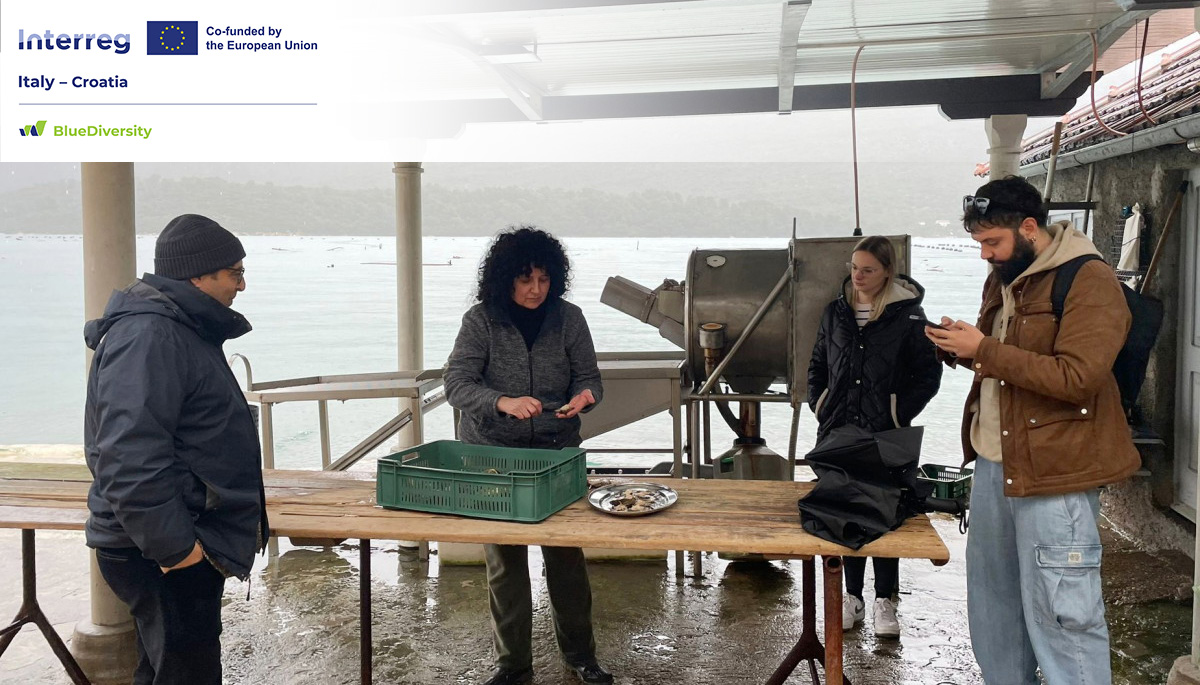
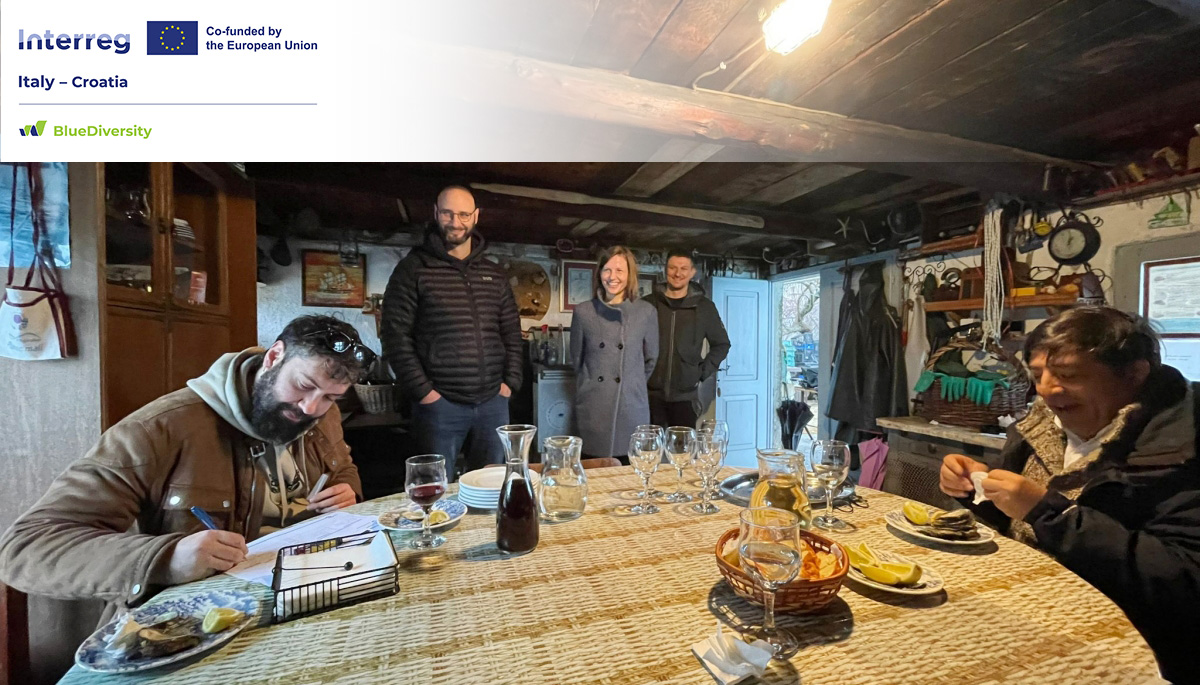
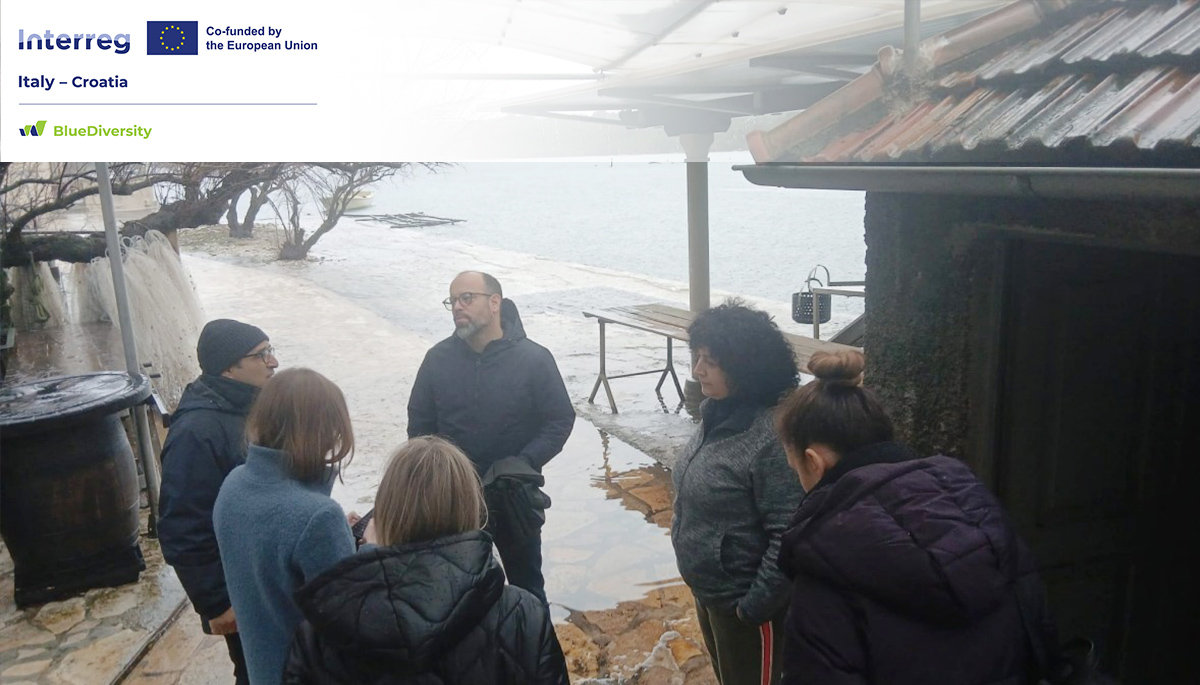
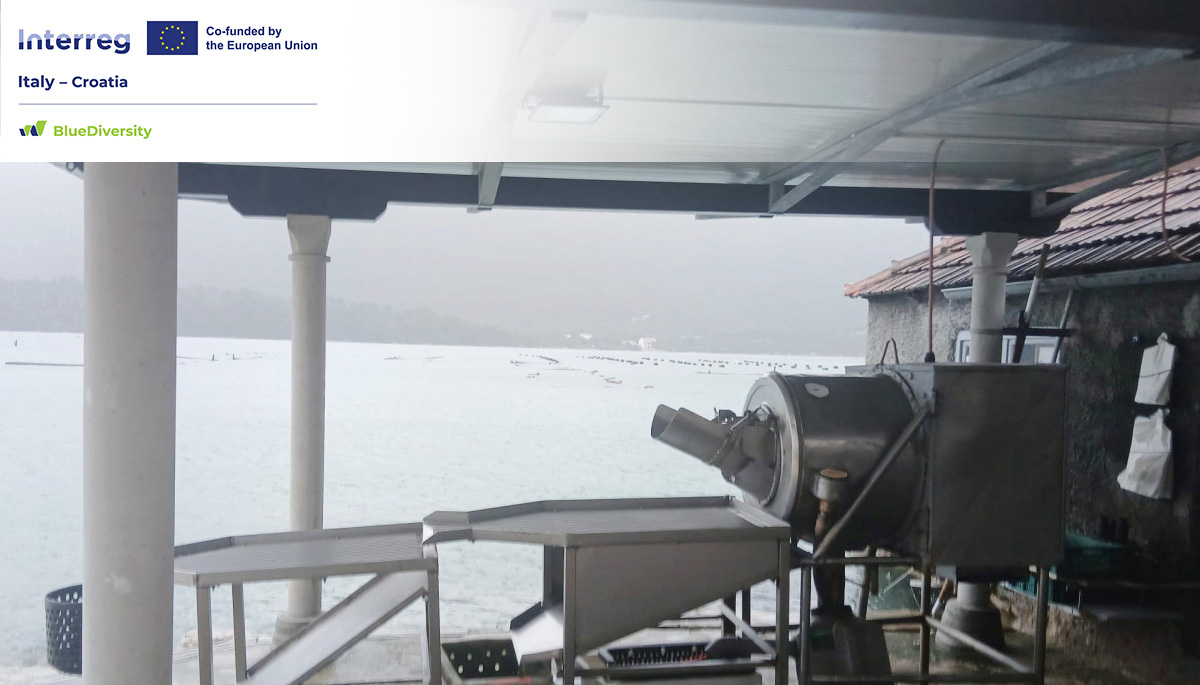
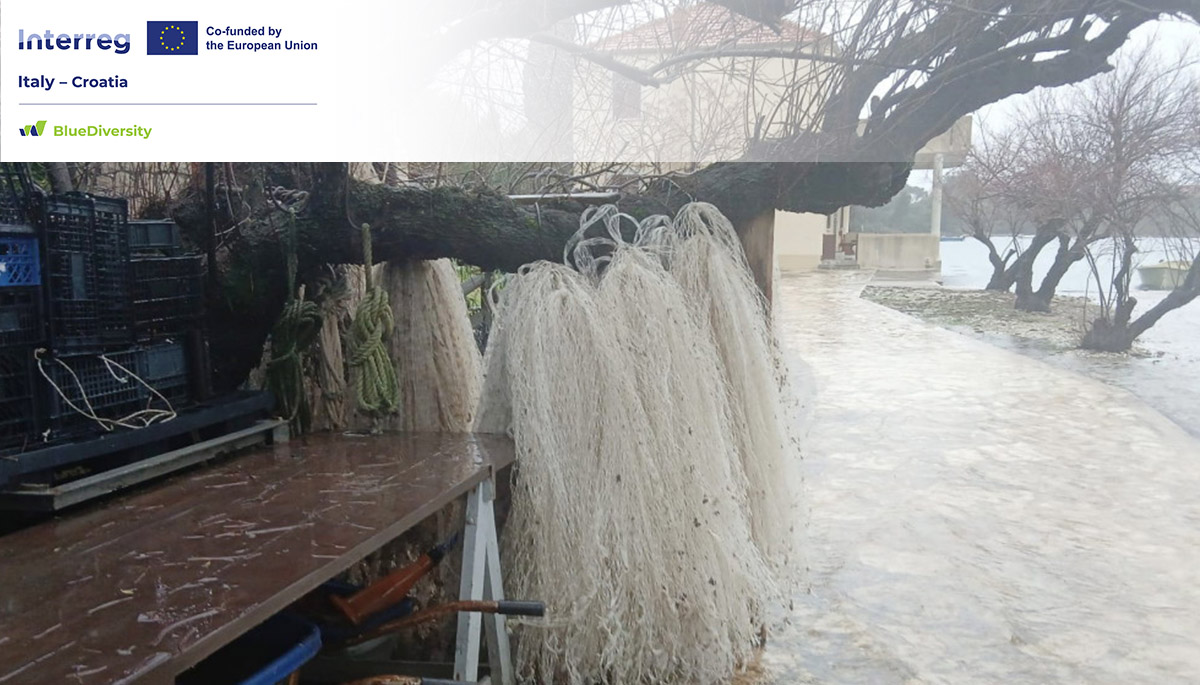
On February 06, 2026, a field study visit was held at the oyster and mussel farm in the pilot area 5 Mali Ston Bay. In this area, plastic used for breeding, handling, and sales is constantly reused.
Aquaculture has been developed in Mali Ston Bay since ancient times. Today, oyster and mussel farming, as well as fishing, are well-established. Mali Ston Bay is one of the last remaining areas in Europe with a stable population and reproductive cycle of the European flat oyster. The first farms date back to the Roman Empire, and since the 16th century, during the Dubrovnik Republic, oyster farming became a well-established practice. Today, nearly 86% of Croatia's total production of European flat oysters and Mediterranean mussels takes place in Mali Ston Bay.
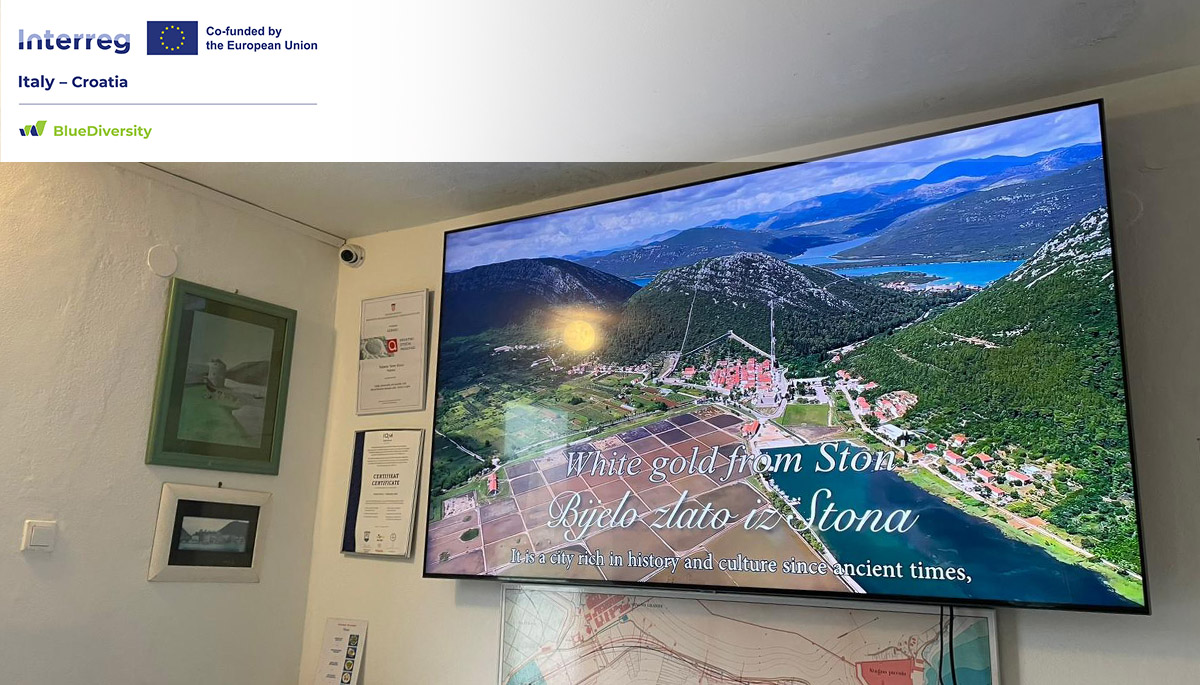
The field study visit continued in Ston salt pans with a focus on their cultural and ecological importance and biodiversity.