

Circular economy in practice in Korčula Town park
03/07/2026
An international conference on the development of the circular economy in the Adriatic region took place on June 16 in Korčula. The event gathered representatives from the public sector, educational institutions, agencies, businesses, and civil society across Croatia and Italy to present their findings on sustainable resource management.
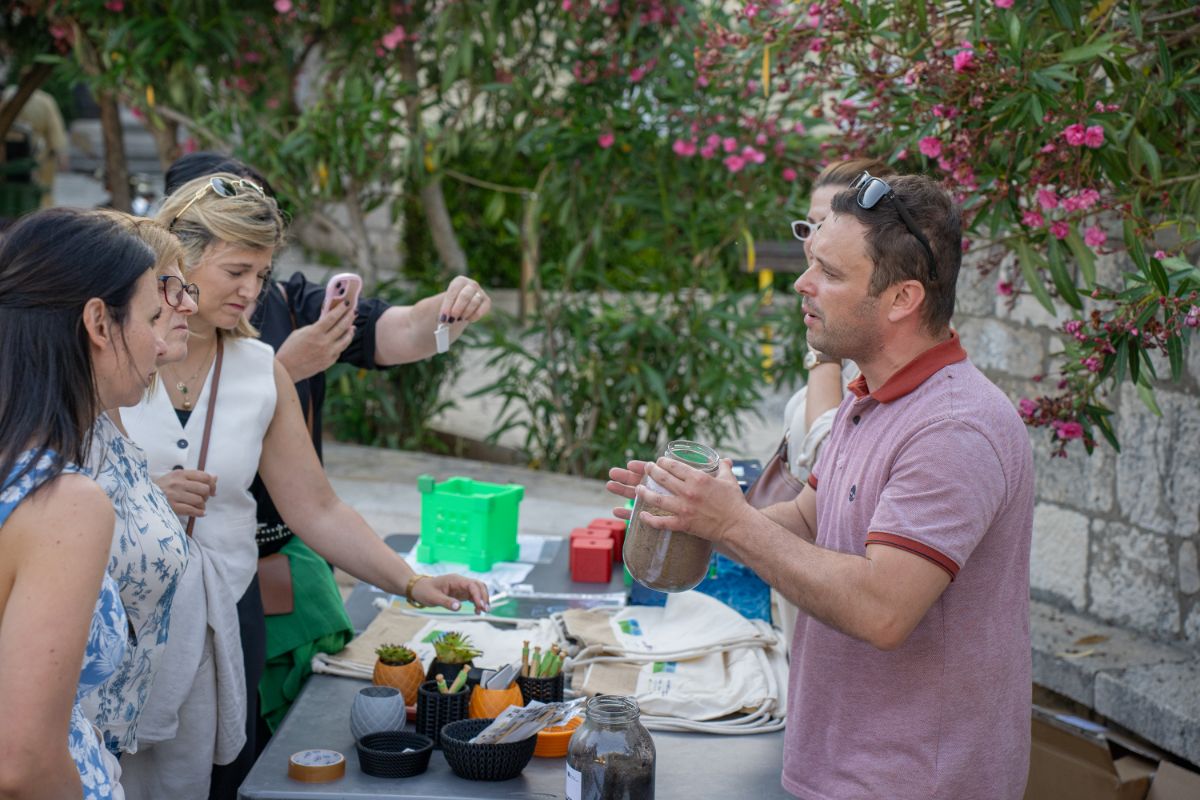
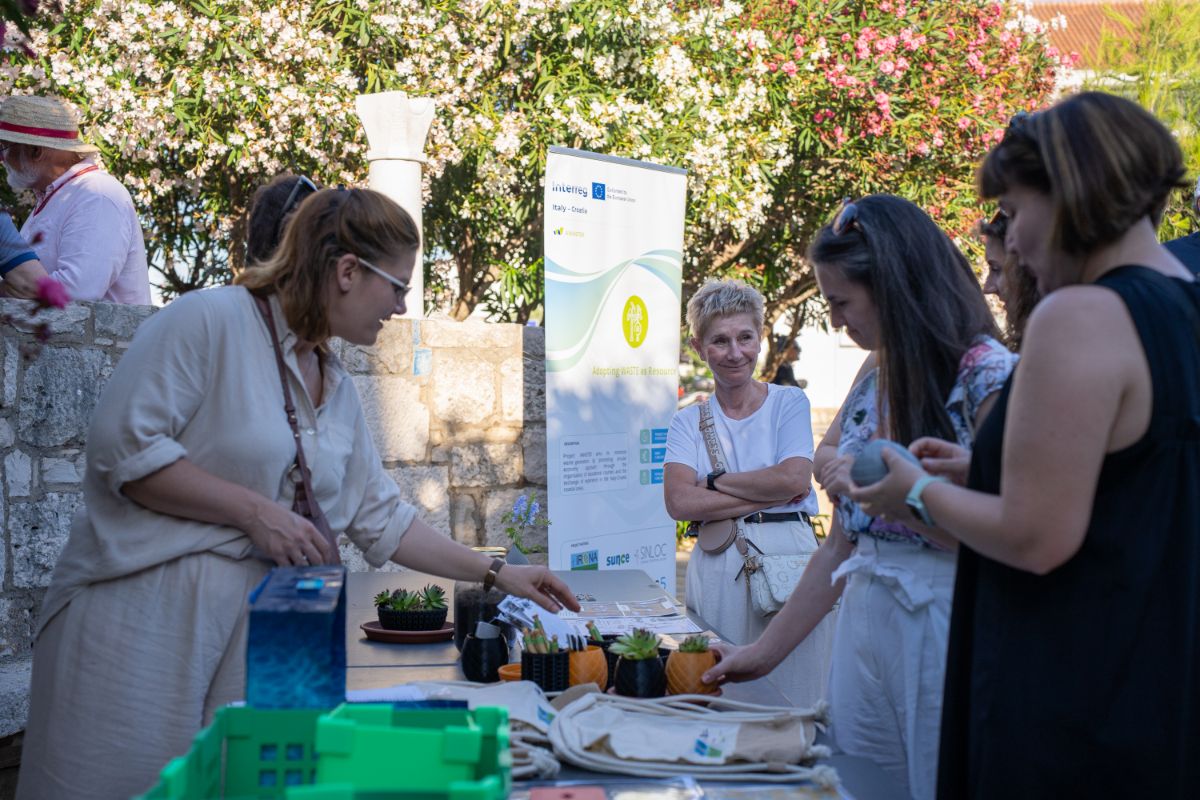
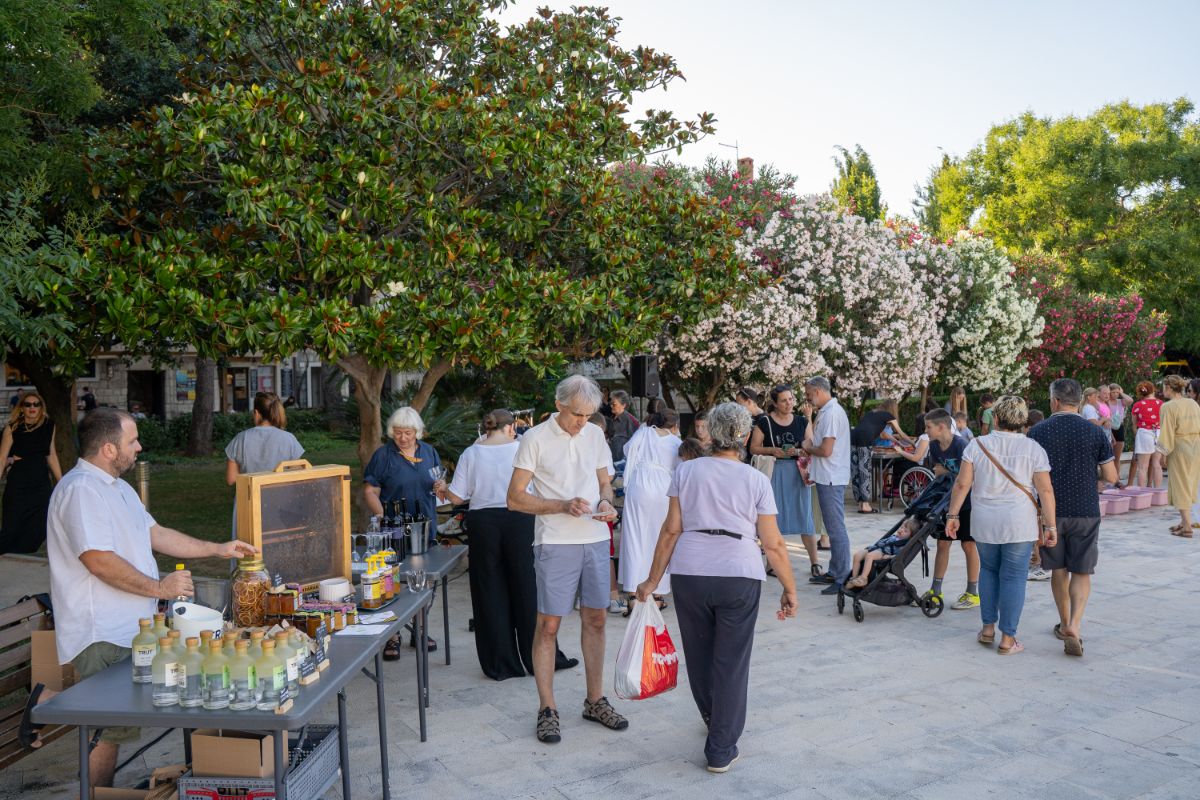
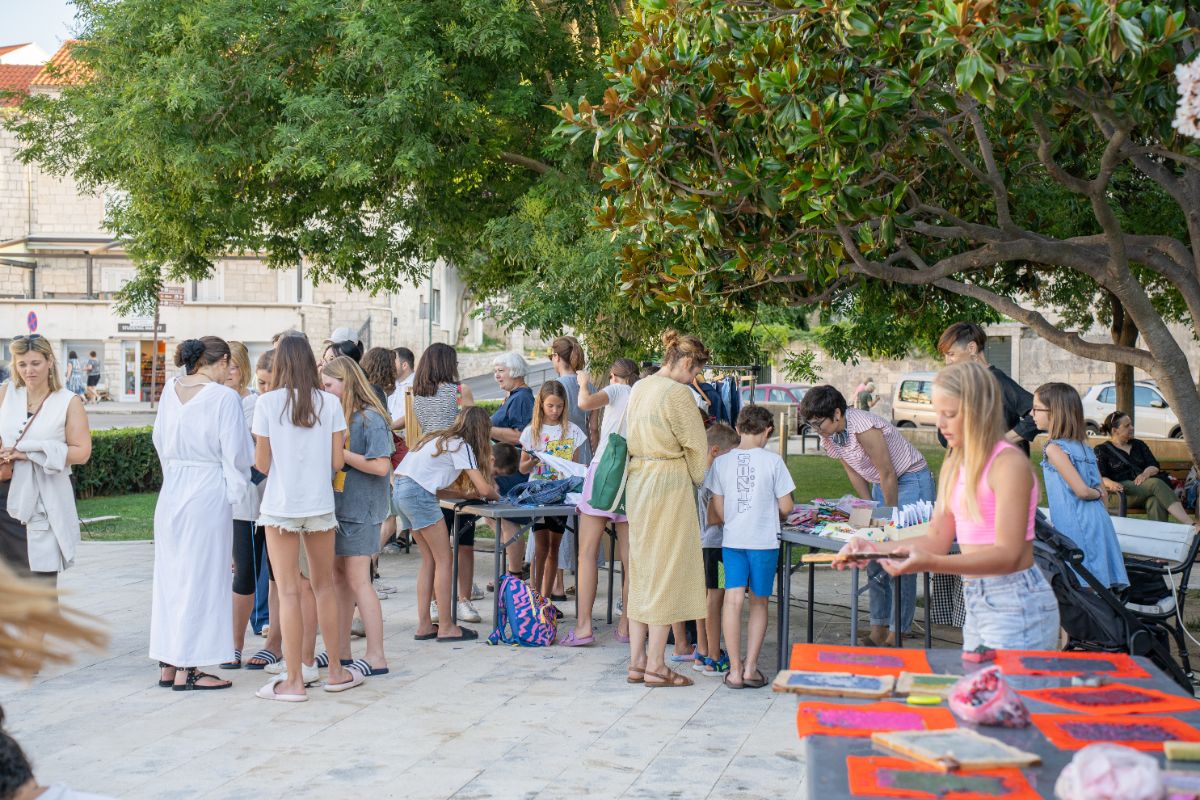
After the formal part of the conference, EcoLabs moved to Korčula Town park for the WASTE FREE event. Visitors had the opportunity to see the results of work by students from Croatian and Italian schools. Alongside their projects, examples of sustainable practices by local producers and artisans were presented.
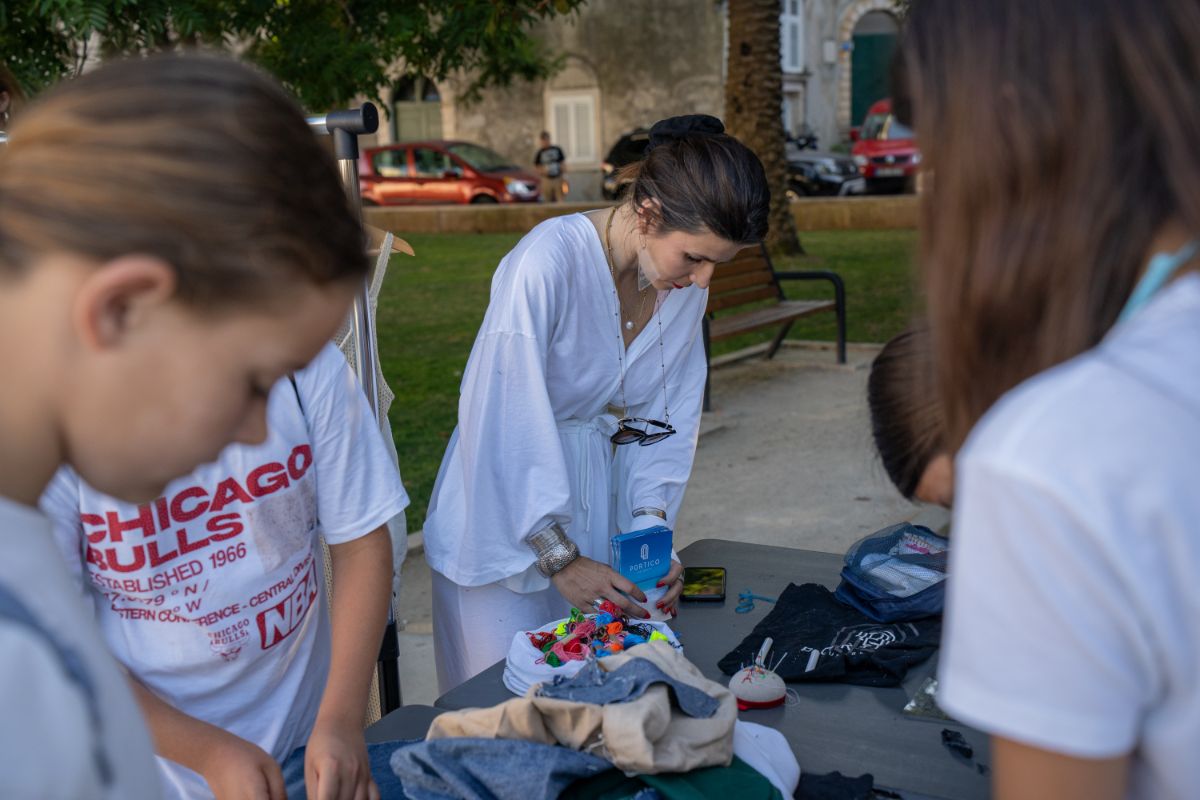
OPG Komparak showcased its work and products, Križ Winery from Prizdrina introduced biodynamic wine production principles, while the Bodulka Handmade craft workshop from Trpanj demonstrated how unique handicrafts, souvenirs, and jewellery can be created through upcycling using natural and recycled materials. Doris Farac also presented her sustainable fashion approach through the Portico Moda brand, based on responsible clothing production, maximum material use, and waste reduction.
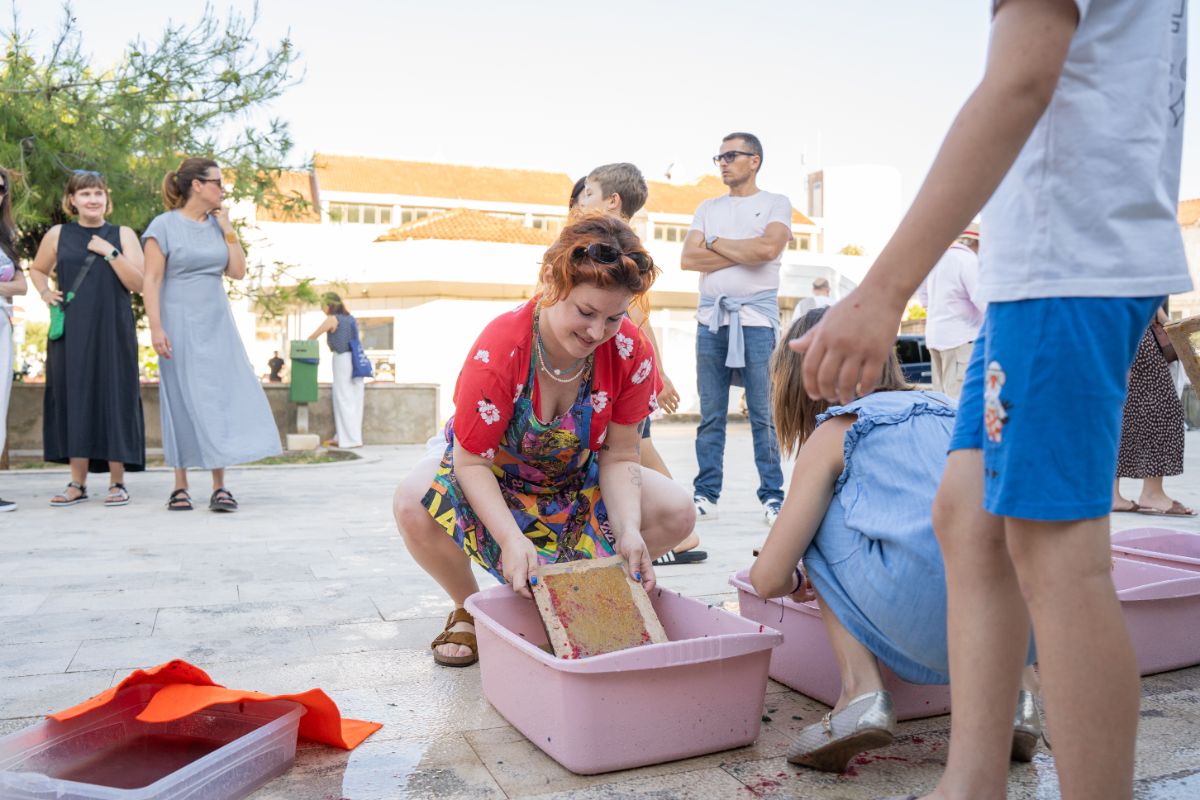
Special attention was drawn to the workshop by young designer Marijeta Markovina from Lumbarda, who demonstrated how thoughtful use of paper can reduce waste and how new products can be created from waste paper.
Legacy of the AWASTER project
The presented project results, as well as strong public interest in the activities held in Korčula Town Park, demonstrated that sustainability is not an abstract concept reserved for strategies and policies, but something that can be applied in everyday life. From proper waste separation and composting, to material reuse and responsible purchasing, to supporting local producers – small individual actions can have a significant impact when adopted by the whole community.
This was one of the key messages of the AWASTER project: waste is not necessarily a problem, but can become a valuable resource if approached differently. Through education, practical workshops, cooperation between schools, entrepreneurs, institutions, and citizens, the project demonstrated how circular economy principles can be successfully applied in local communities.
Today, after two years of implementation, the project leaves behind not only new equipment and tools in schools, but also new knowledge, skills, and experiences. This is the most valuable legacy of the AWASTER project.