
🦆 Let’s discover the Ferruginous Duck and its habitat
16/07/2026
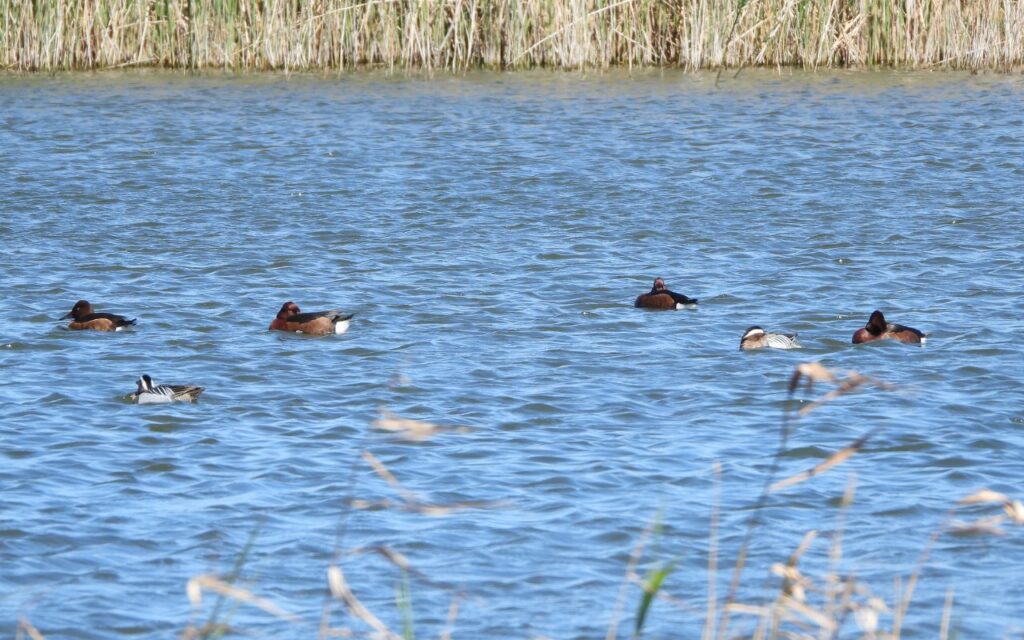
🌿 Among the many species that inhabit wetlands, some remain almost invisible to the human eye. The Ferruginous Duck (Aythya nyroca) is one of them: a small diving duck that depends on suitable wetland habitats, including marshes, lagoons and shallow water areas rich in aquatic vegetation. Quiet and cautious, this species is closely linked to the health of the environments where it lives.
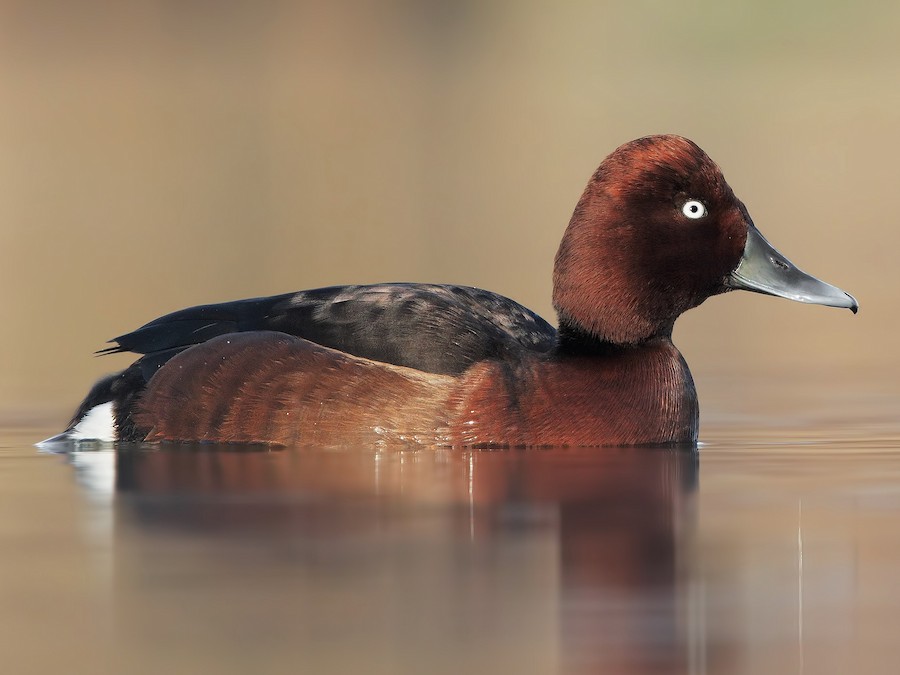
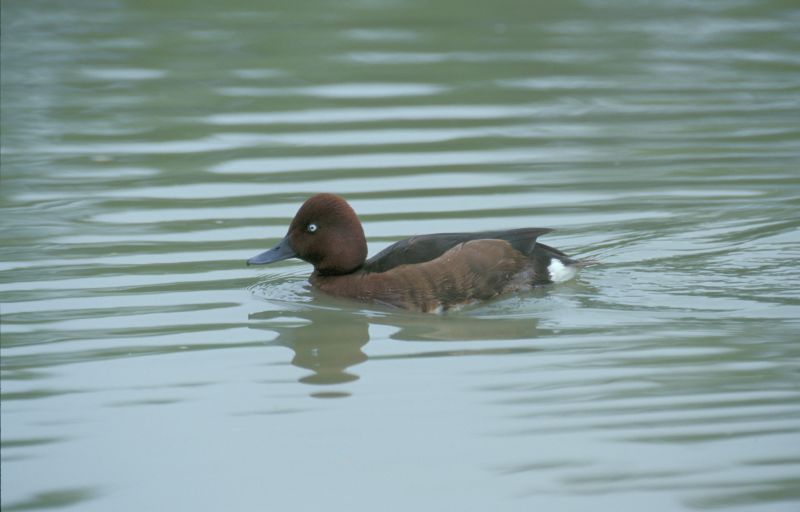
👀 The Ferruginous Duck is very distinguishable compared to other species. The adult male can be recognised by its deep chestnut-brown plumage, thanks to its rich chestnut plumage, striking pale eyes, and the bright white belly and undertail that stand out in flight. Females have darker brown feathers and dark eyes, providing excellent camouflage while nesting. Measuring only 38–42 centimetres in length, the Ferruginous Duck is smaller and much less conspicuous than many other waterbirds, but its role in wetland ecosystems is just as important.
🌱 During the breeding season, the Ferruginous Duck builds its nest close to the water, usually well concealed within dense vegetation. Its diet is mainly based on aquatic plants, seeds and small aquatic organisms. These characteristics make the species strongly dependent on well-preserved wetlands, where suitable habitats, natural vegetation and low levels of disturbance allow it to feed and reproduce successfully.
⚠️ Like many wetland species, the Ferruginous Duck faces several pressures linked to the degradation of aquatic ecosystems. Habitat loss, changes in water conditions, pollution, disturbance during sensitive periods and illegal hunting can negatively affect its populations. In Italy, the species is considered threatened due to the limited number of breeding pairs and the vulnerability of its habitats.
🌍 Conserving the Ferruginous Duck means protecting the wetlands that support a much wider community of plants and animals. These ecosystems play a crucial role in maintaining biodiversity, connecting natural areas and preserving the ecological balance of coastal landscapes.
🌊 Within the ASPEH project, the Ferruginous Duck has been identified as one of the priority species representing the ecological value and vulnerability of Adriatic coastal ecosystems. In Torre Guaceto, the reference area for conservation actions related to this species, ASPEH supports activities such as monitoring and the implementation of pilot actions aimed at improving knowledge and promoting the conservation of suitable habitats.
👣 Everyone can contribute to protecting these fragile environments. Respecting wildlife observation distances, avoiding disturbance in reedbeds, leaving natural areas free from waste are simple actions that help wetlands remain safe places for the Ferruginous Duck and many other species that depend on them.