

Inside the Green Cave: exploring the geology of Ravnik Island
02/07/2026
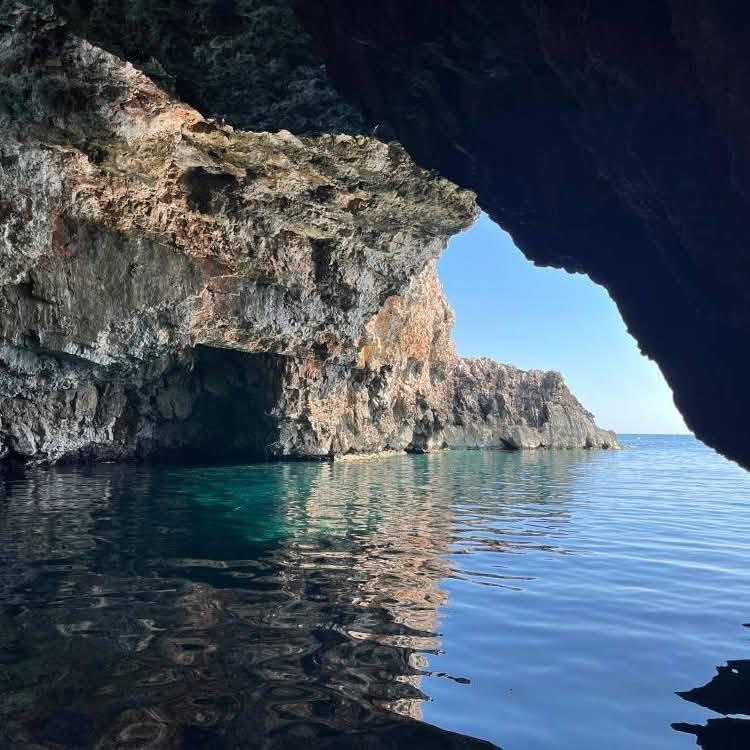
Among the pilot actions implemented within ASPEH, this survey focused on a part of the Adriatic natural heritage that often remains out of sight: the geological structure of sea caves. Alongside studies on Posidonia seagrass beds, coastal vegetation and coastal squeeze, the activity helped broaden the project’s understanding of the different habitats and natural features found across the programme area.
The research showed that Ravnik is composed of Cretaceous limestone containing fossils of rudists and marine sponges. Particular pelagosite formations were also observed, adding to the geological interest of the site.
The survey also helped clarify the structural features that shaped the Green Cave. Its development was influenced by faults and fractures in the rock. The sea-flooded cave extends for approximately 60 metres and has an internal morphology that cannot be fully appreciated from the outside.
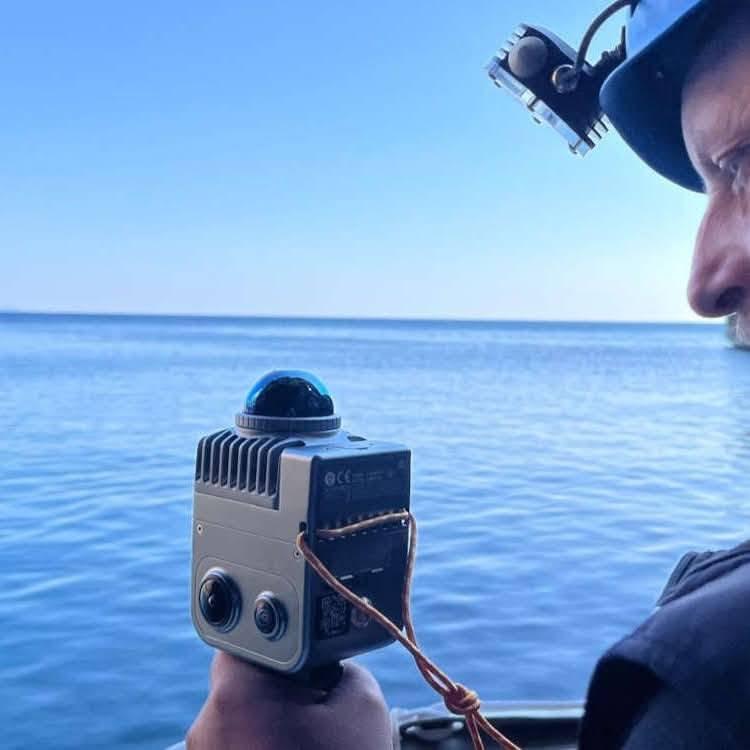
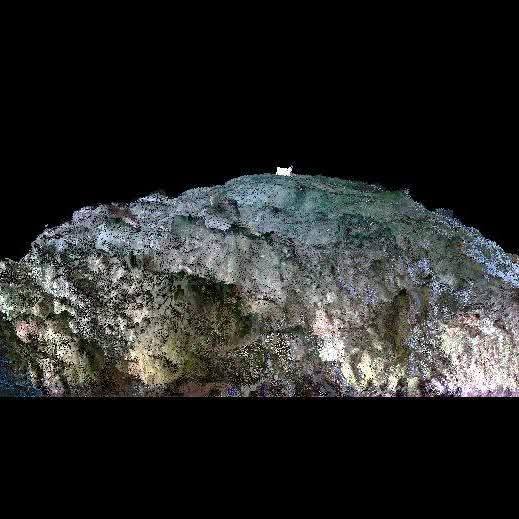
To document the cave accurately, the researchers used SLAM technology, an advanced surveying method that allows spatial data to be collected in environments that are difficult to access. The survey produced a highly accurate three-dimensional representation, providing a detailed record of the cave’s interior and a valuable basis for further study.
Although the campaign focused on geology and cave morphology, the work also contributes to a wider understanding of submerged and partially submerged caves as sensitive natural environments. Improving knowledge of their structure and characteristics is an essential step towards promoting more informed and responsible management.
This pilot action therefore shows how field research and digital tools can work together to reveal what usually remains hidden beneath the surface. By documenting the Green Cave in detail, ASPEH contributes to strengthening the knowledge needed to protect and responsibly enhance the Adriatic’s natural heritage.