

Coastal vegetation and nature conservation in southern Croatia
18/06/2026
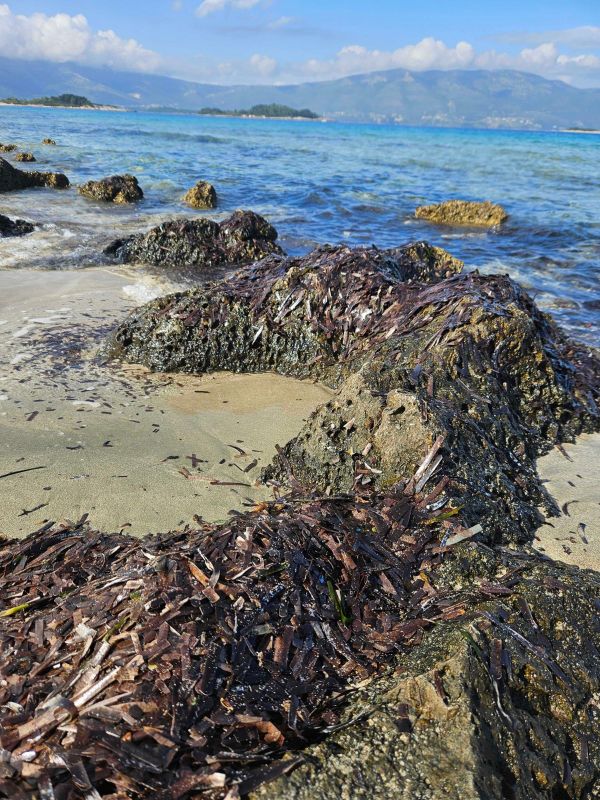
Coastal vegetation forms the first natural protective barrier between land and sea. Its conservation is closely linked to the two other themes already introduced on the website: the vulnerability of sandy beaches to coastal squeeze and the conservation of Posidonia seagrass meadows. Together, these interconnected habitats contribute to the resilience of the entire coastal ecosystem along the southern Croatian coastline.
During the ASPEH workshop held in Lumbarda on 12 May 2026, botanist Katija Dolina, PhD, presented research on coastal vegetation on Korčula, the Pelješac Peninsula and the Elafiti Islands focusing on plant communities along rocky shores, gravel, sandy beaches and coastal dunes.
The research found that vegetation on plant communities along rocky shores are relatively stable, while that growing on gravel and sandy beaches is more vulnerable to human activities. Of particular concern is the decline recorded in several characteristics dune plant species, a trend that emphasizes the need for continuous monitoring to guide future conservation efforts.
These habitats cannot be considered separately from a conservation perspective. Coastal vegetation, sandy beaches and Posidonia seagrass meadows are interconnected habitats that work together and helps mitigate the impacts of climate change and reinforces the resilience of the entire coastline system.
On Korčula, these habitats represent some of the island’s most valuable natural assets, but at the same time it is increasingly threatened by climate change and growing tourism pressure.
Safeguarding nature does not mean limiting tourism development, but rather planning it responsibly. The natural heritage of the Adriatic coast is the foundation of its attractiveness, making habitat protection and sustainable tourism complementary rather than competing objectives.
Reaching this balance calls for cross-border cooperation between experts, common approaches to monitoring, and the involvement of local communities in shaping how these habitats are managed going forward. This is the kind of joint effort that Croatian and Italian partners within the ASPEH project are continuing to pursue, working to protect these environments while advancing a sustainable use of the coast.