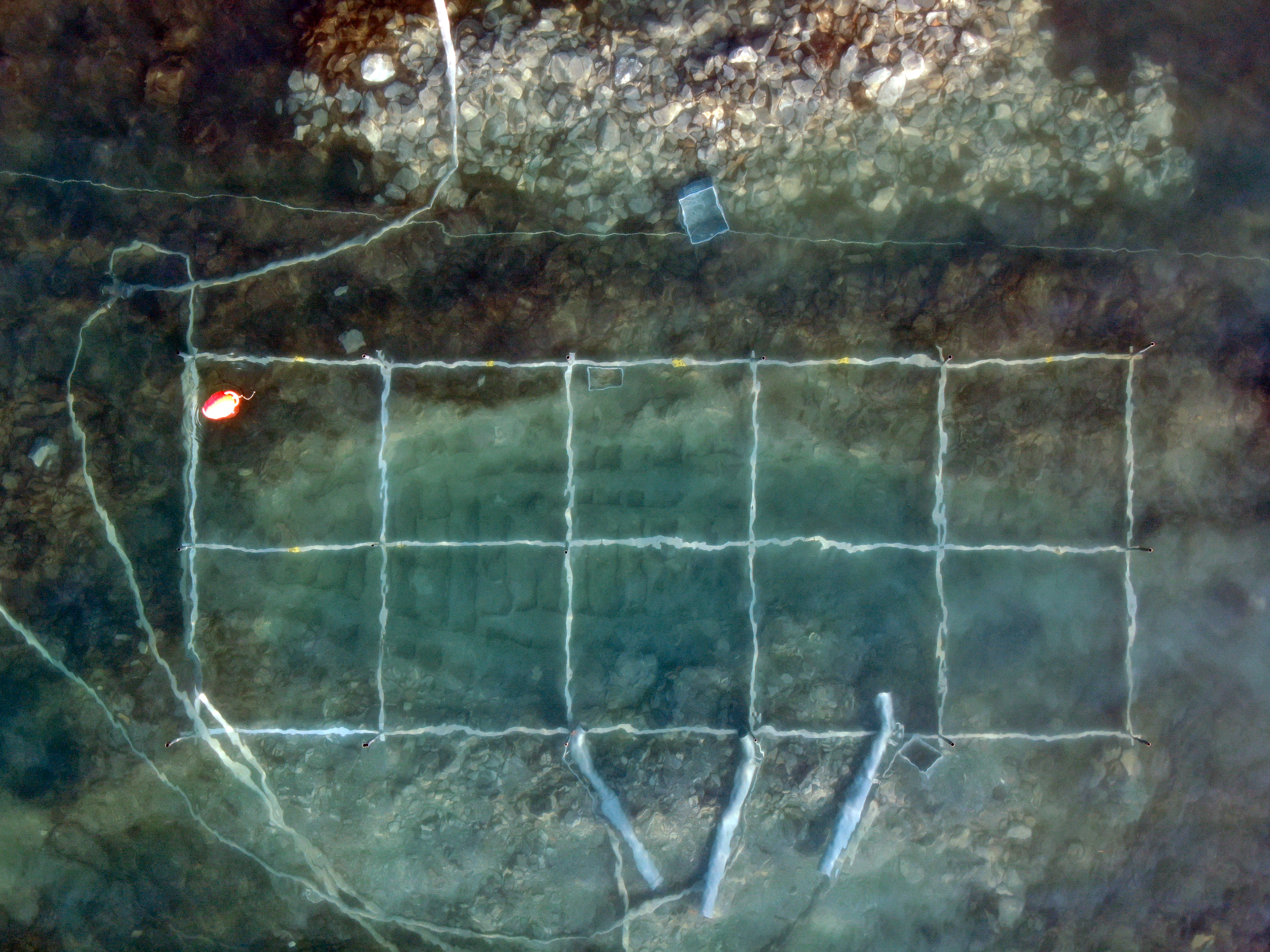
The ARCHAEODIGIT project was created to preserve, interpret, and promote the archaeological heritage of Italy and Croatia in four test areas: archaeological area of Helvia Ricina (Italy), archaeological site of Fulfinum–Mirine (Croatia), archaeological park of Sepino (Italy), and sunken Roman Ships of Trstenik (Croatia).
The name ARCHAEODIGIT itself combines the words “Archaeological” and “Digital” reflecting the project’s mission to connect archaeological heritage with innovative digital technologies in order to make culture more accessible, inclusive, and sustainable.
LINKS
Title and description
Link
Introducing ARCHAEODIGIT: Project Goals, Methodology, and Vision
A Shared Approach to Preserving and Promoting Archaeological Sites
A Shared Approach to Preserving and Promoting Archaeological Sites
To develop a common methodology for preserving, interpreting and promoting archaeological sites across the Programme Area, the project analysed the current situation, exchanged knowledge and good practices, developed shared methodologies and digital tools, and involved local stakeholders in co-creating more sustainable and inclusive heritage management solutions. The final output achieved is the Common Methodology for Preserving, Interpreting and Promoting Archaeological Sites, focused on the management of archaeological areas and their integration with their touristic ecosystem; the combination of tangible and intangible goods; and the role of digitalisation.
Knowledge Exchange and Best Practices for Archaeological Heritage
Knowledge Exchange and Best Practices for Archaeological Heritage
To better understand current approaches to archaeological heritage management, encourage the exchange of knowledge and identify successful practices across Europe, the project analysed the existing situation in the pilot areas and collected examples of good practices.
The Existing Situation Analysis (ESA) Report assessed the archaeological, environmental, historical, and touristic management conditions of the project's target sites: the Sepino and Helvia Ricina archaeological areas in Italy, and the Fulfinum-Mirine and Trstenik archaeological areas in Croatia. In parallel, the Good PracticesReport collected and analyzed exemplary initiatives in archaeological heritage management, cultural identity valorisation, and digital/immersive technologies across the project's partner territories and the wider EU area.
Documents
Title
Published
Download
Existing Situation Analysis Report
09/10/2024
Good Practices Report
10/10/2024
Developing a Shared Methodology for Archaeological Heritage
Developing a Shared Methodology for Archaeological Heritage
To develop a shared approach to preserving, interpreting and promoting archaeological sites, the project brought together partners to define common methods, exchange expertise and identify innovative digital and sustainable solutions. The methodology also provides practical guidance for strengthening cultural identity, improving site management and enhancing visitor experiences. The Common Methodology for Preserving, Interpreting and Promoting Archaeological Sites, represents a shared reference framework for heritage professionals and stakeholders involved in the sustainable management of archaeological sites.
Documents
Title
Published
Download
Methodology for Sustainable Archaeological Heritage
27/01/2025
Building Skills for Sustainable Archaeological Tourism
Building Skills for Sustainable Archaeological Tourism
To strengthen the skills and knowledge needed to apply the Common Methodology, the project developed a comprehensive training programme for cultural and tourism operators, young professionals and NEETs. Through masterclasses, study visits, transnational placements, training courses, mentoring activities and an open online course, participants gained practical competences in archaeological heritage management, digital tools, sustainable tourism and visitor engagement. The final output achieved consists of participation in cross-border study visits and work placements, aimed at strengthening skills in archaeological heritage management and tourism, while supporting transnational cooperation and the exchange of good practices.
Transnational Learning to Strenghten Heritage Management Skills
Transnational Learning to Strenghten Heritage Management Skills
To build the skills needed to apply the ARCHAEODIGIT Common Methodology, the project organised transnational masterclasses and study visits to give participants practical knowledge, share best practices, and strengthen cooperation among heritage and tourism stakeholders.
The Masterclass Training Materials span six key areas: digital marketing strategies for cultural assets, a holistic approach to heritage interpretation that embraces both tangible and intangible values, the economic valorisation of archaeological heritage, urban and territorial planning for archaeological parks, storytelling techniques for enhancing visitor engagement, and an introduction to the ARCHAEODIGIT digital platform.
Documents
Title
Published
Download
Training Materials in Masterclasses
06/06/2025
Building Mentorship Skills for Sustainable Archaeological Tourism
Building Mentorship Skills for Sustainable Archaeological Tourism
To create the conditions for long-term peer learning and knowledge exchange among cultural and tourism operators, the project developed a joint Train-the-Mentors programme. The activity aimed to equip selected participants with the skills and tools needed to support future mentorship activities, fostering continuous learning and capacity building within the test areas.
The Guidelines for Mentorship Activities providepractical guidance for implementing mentorship programmes in archaeological tourism, offering a reference for anyone looking to set up similar initiatives in the cultural heritage sector. By establishing transferable frameworks and actionable guidance, it provides institutions, networks, and organisations with the means to implement effective mentorship programmes that strengthen operational capacities, foster innovation, and enhance the overall quality and sustainability of heritage tourism experiences.
Documents
Title
Published
Download
Mentorship Guidelines
06/03/2026
Communication Materials
Communication Materials
In this section, you can explore a collection of our printed materials, including brochures and other resources that provide detailed insights into the project. These materials highlight our commitment to the preservation, interpretation, and valorisation of archaeological heritage, supporting sustainable cultural tourism across the Italy-Croatia cross-border area and its local communities.
Documents
Title
Published
Download
Brochure ENG version
11/10/2024
Brochure IT version
11/10/2024
Brochure HR version
11/10/2024
Project Poster
11/10/2024
Project Roll-up
06/08/2024
Footer
cookie-bar minisito 2023
Preference Cookies
When you visit this website and when you use our services, you receive third parties technical and analytics cookies, in order to guarantee the best net surfing experience and in order to let you access to contents which are available in our Programme Ita-Hr Social Media (FB, TW, YT) directly from the website, according to your cookies preferences. If you want to learn more, please click here: PRIVACY POLICY .
Clicking the X on the top right corner or clicking the button “Reject all/ cookies”, you refuse all the cookies except the Technical ones for which no consent is required and the Social Media contents of Ita-Hr will be not available from our website.
Instead using the “Accept all/cookies” button, you allow the setting of the cookies. You can change your settings using “Preference Cookies” that you can find in the footer at the button of the page.