


Introduction to the History of the Sunken Ship Graveyard Trstenik
The bay of Trstenik, near Kaštela in Croatia, is home to a remarkable sunken ship graveyard that offers a unique glimpse into the maritime history of the Adriatic. Over the centuries, the bay’s calm waters have preserved the remains of numerous vessels, some dating back to antiquity, providing invaluable evidence of ancient trade routes, naval activity, and shipbuilding techniques. Archaeological investigations in the area have uncovered well-preserved hulls and cargoes, shedding light on the daily life of sailors, the movement of goods, and the cultural connections between coastal settlements. Today, the Trstenik ship graveyard stands as a testament to the Adriatic’s long-standing maritime heritage, inviting historians, archaeologists, and visitors to explore its hidden underwater treasures.
Echoes from a Distant Past
Beneath the calm waters of Trstenik bay lie the remains of ancient shipwrecks, offering a rare glimpse into centuries of Adriatic maritime history. This sunken graveyard sits amidst a landscape steeped in history, where coastal settlements and landmarks tell the story of a long and layered past. From Barbarinac and Biranj to the imposing Vitturi Castle, the region showcases the legacy of medieval and Renaissance aristocracy, while Il Palazzo Arcivescovile in Kaštel Sućurac and Kaštilac in Kaštel Gomilica reflect the ecclesiastical and defensive structures of the Dalmatian coast. The area also preserves traces of ancient Roman life, including the Roman colony of Salona, as well as remnants of rural settlements such as Ostrog – Balavan, Rižinice, and historic churches like San Giorgio (Sv. Juraj) in Putalj and San Michele (Sv. Mihovil) in Lazani. Together, these sites frame the Trstenik bay ship graveyard within a rich tapestry of human activity, connecting underwater archaeology with centuries of coastal culture, trade, and settlement in Kaštela.
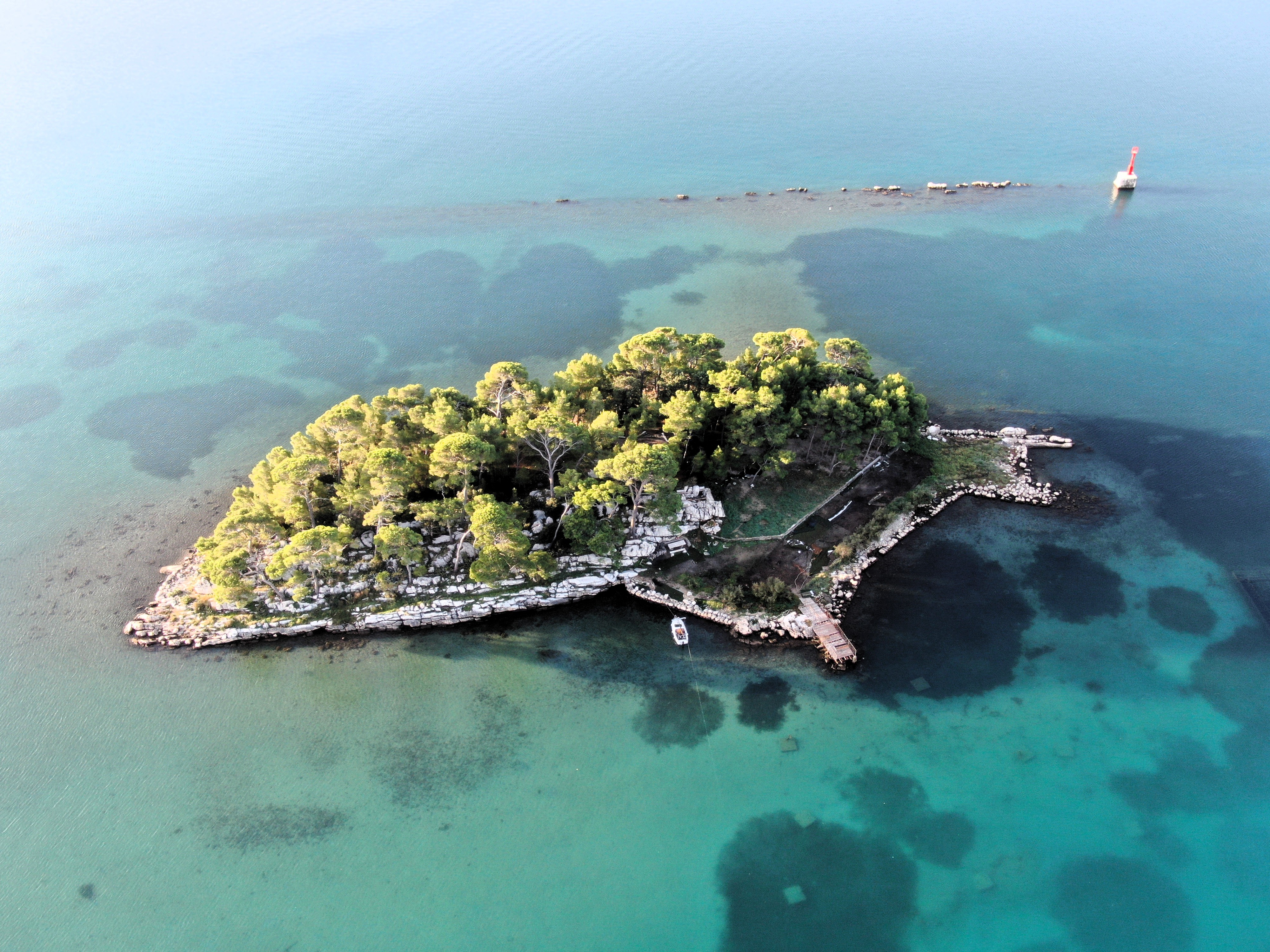
The archaeological site of Barbarinac is located on a small island in the bay of Kaštela, east of Kaštel Sućurac, opposite the ancient Roman port of Salona. It is an area of great archaeological significance, with discoveries spanning from the Bronze Age to the 18th century. Due to its strategic location, it is believed that a Roman lighthouse once stood here, guiding ships to the busy port of Salona.
Underwater archaeological research in the surrounding area has revealed additional layers and historical artifacts. The entire island, along with its associated cliffs and the surrounding submerged area, is protected as a cultural heritage site by the Ministry of Culture. Barbarinac provides valuable evidence of maritime activities and the continuous human presence in the Kaštela bay over millennia. Although it is uninhabited today, the island’s historical importance makes it a key site for understanding the ancient and medieval maritime landscape of the central Adriatic.
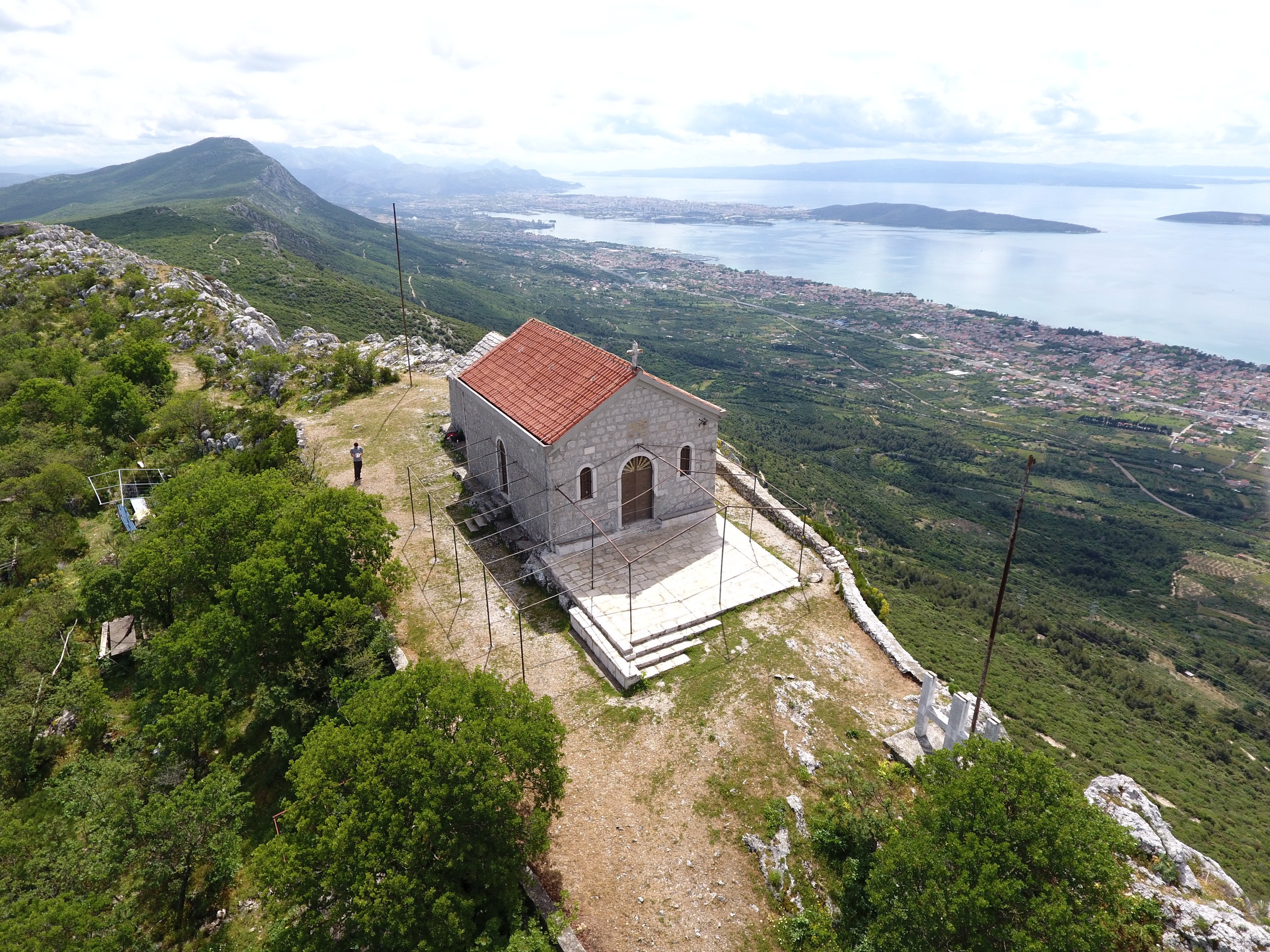
Archaeological evidence indicates that Biranj was first used during the Late Neolithic. The site remained active through the Chalcolithic and into the Late Bronze Age, though its occupation became intermittent over time. The outer enclosure stretches nearly 800 meters, enclosing an area of 7.3 hectares, making it one of the largest prehistoric fortifications along the eastern Adriatic coast and hinterland.
Biranj was reused in the late antiquity period, although on a smaller scale than in earlier times. During this era, the site featured a well-developed infrastructure, including a castrum or castellum, as mentioned in historical sources related to Salona, forming part of the organized defensive system known as the Limes Salonitanus. At the summit of Biranj, in addition to the fortifications and cemetery, there was a special area containing a sanctuary—a sacred space at the heart of the hill called Kruna, where today a church dedicated to St. John the Baptist stands.
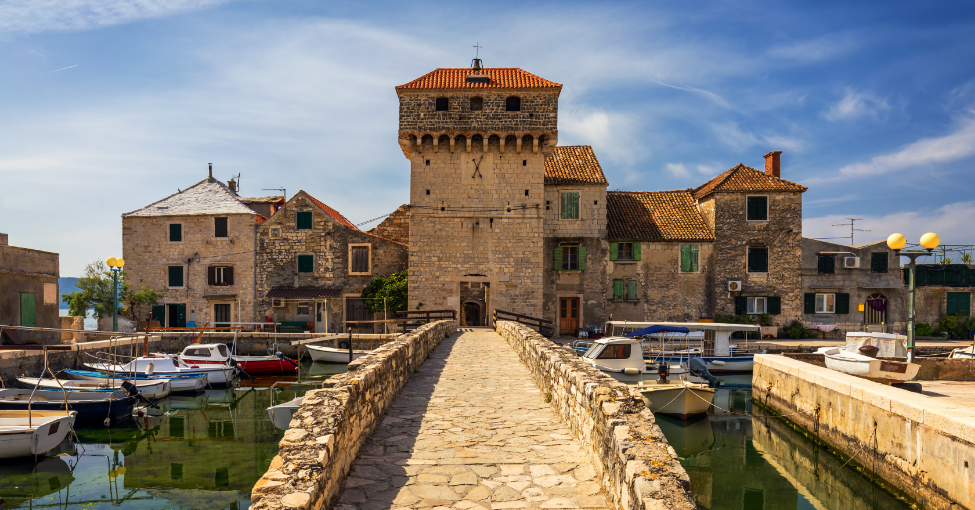
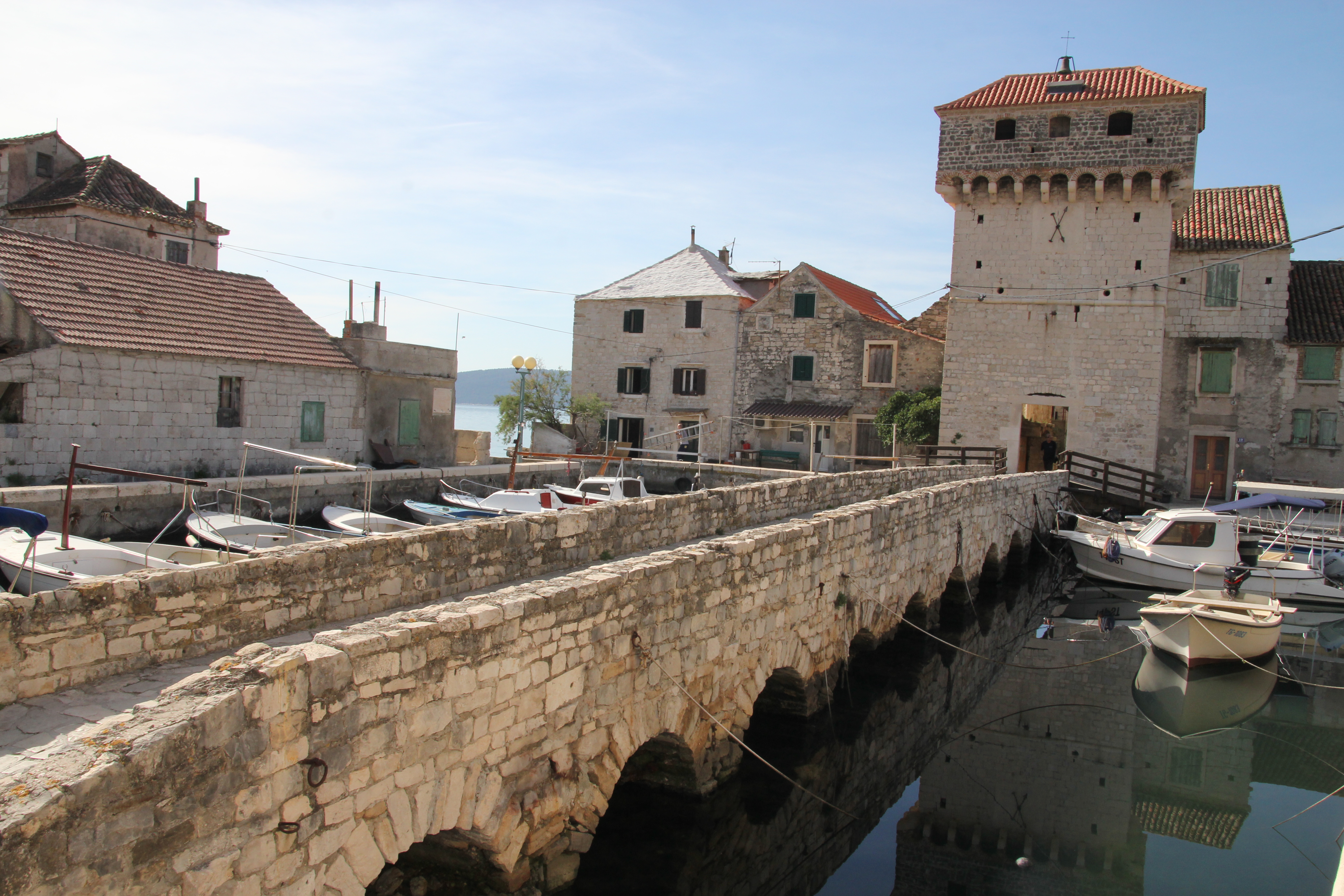
Vitturi Castle and its surrounding historic core are today very well preserved. Between 1993 and 2001, it underwent restoration, returning it to its most representative state from the 18th century. During the restoration, a defensive moat and a stone bridge in front of the northern entrance were rediscovered.
The castle was built by the noble Vitturi family between the late 15th and early 16th centuries, when frequent Ottoman attacks made it necessary to protect the local population, which had previously lived in the medieval village of Ostrog on the slopes of Mount Kozjak. Alongside the castle, a small fortified settlement developed, whose traditional stone architecture and spatial organization are still preserved. Today, the castle houses the Kaštela City Museum and other cultural institutions, and hosts numerous cultural events throughout the year.
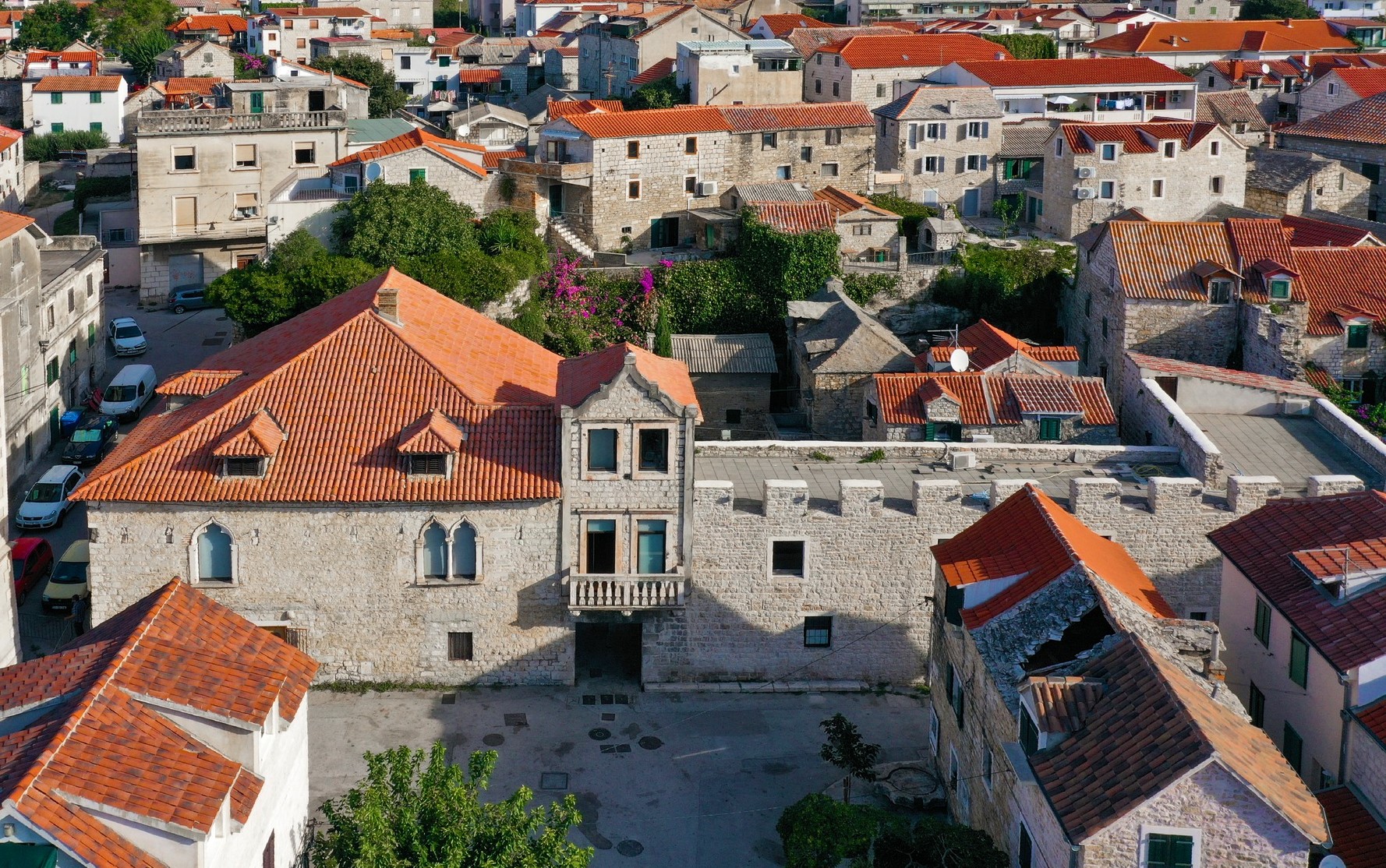
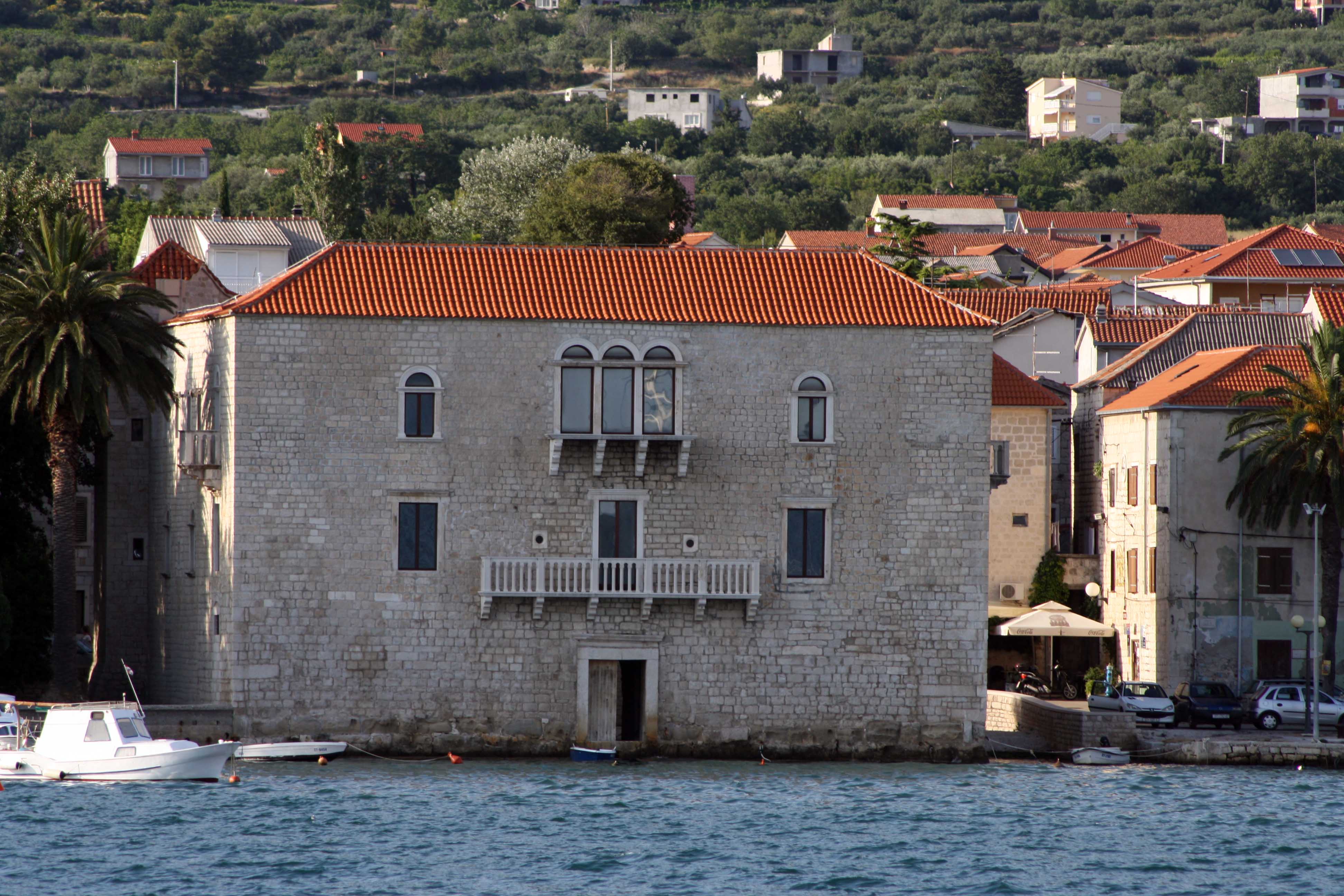
The historic core of Kaštel Sućurac developed at the end of the 15th century around a tower built in 1392 by Andrija Benzi, Archbishop of Split, in an area known as Lučac. In 1489, Archbishop Bartolomeo Averoldo constructed a defensive complex next to the tower called Kaštilac, the foundations of which are still visible today.
The central part of the complex was occupied by the Archbishop’s Palace, while the entire structure was well fortified with a defensive wall, of which only some merlons remain today. Currently, the second floor of the palace houses museum spaces featuring rich historical, cultural, and archaeological collections. Since 2012, it has also been home to the museum’s archaeological department.
The Church of St. Michael the Archangel stands on the historic site of Lažani in Kaštel Kambelovac, already mentioned in the Croatian Charter of Duke Trpimir in 852. The toponym, of Slavic origin, dates back to the early migration of the Croats to the Adriatic in the 7th century. In this area, there was also an ancient Croatian settlement, traces of which are preserved in the toponym Banja sela (Budrine). Occasional finds of jewelry from that period indicate the presence of an ancient Croatian cemetery dating to the 9th century.
The church dedicated to St. Michael was built in the following centuries of the Middle Ages, on the western tip of a small cliff, where a sanctuary once stood. Sculptural fragments and inscriptions from antiquity and late antiquity attest to the presence of an early Christian building and, perhaps even earlier, a small Roman temple. Finally, ceramic finds recovered on the surface confirm that this space was used as far back as prehistory.
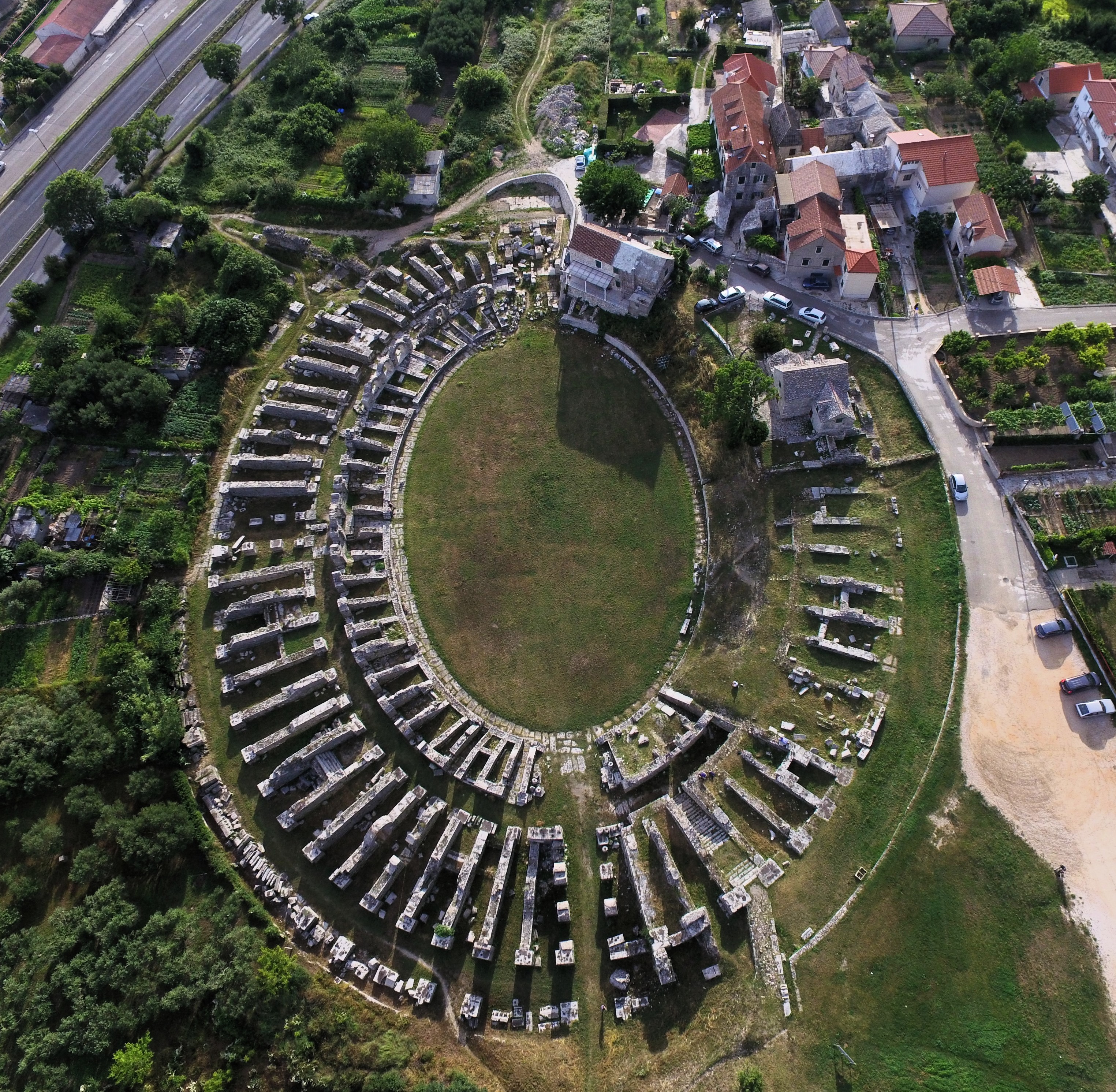
Salona, today known as Solin, was an important Roman colony and the capital of Dalmatia. Likely founded in the 1st century BC, it quickly became a thriving port city thanks to its strategic location on the Adriatic. At its peak, Salona boasted a large amphitheater, a forum, temples, thermal complexes, and an advanced aqueduct system, traces of which are still visible today.
The population included Roman citizens, local Illyrians, and merchants, reflecting its role as both a commercial and administrative center. Surrounding the city were extensive necropolis, the most famous being Manastirine, the burial site of many Christian martyrs. Salona played a key role in the Romanization of the region and served as a military base to defend the empire’s borders.
Its prosperity lasted until the early 7th century AD, when Avar and Slavic raids led to its destruction around 614 AD. Survivors took refuge on the peninsula, eventually founding the city of Split within the walls of Diocletian’s Palace.
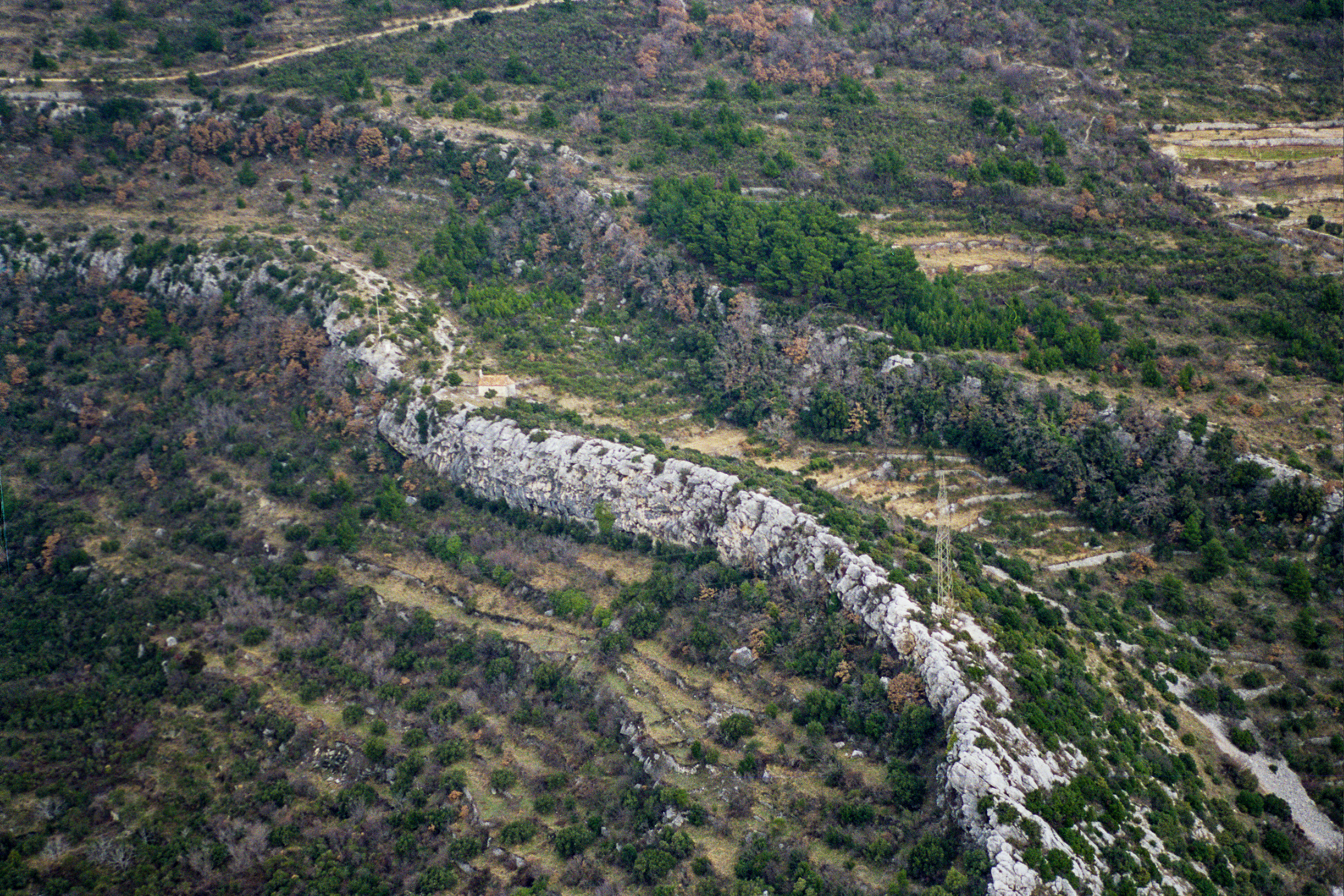
Balavan Hill is a steep cliff that encircles an area occupied by prehistoric, ancient, and medieval settlements. It is located at the center of Mount Kozjak, above Kaštel Lukšić, at about 250 meters above sea level. Two defensive structures were built here: a prehistoric hillfort with layers dating back to the Bronze Age, and a medieval fortress (Castrum Ostrog).
In prehistoric times, the area was inhabited by the Illyrian tribe of the Bulini, while during the Roman period it became part of the colony of Salona (Res Publica Salonitana). The medieval Castrum Ostrog was built in the 1220s by the noble Didici family of Ostrog in response to the growing territorial ambitions of the civic and ecclesiastical authorities of Trogir and Split. The conflict reached its peak in 1226, when combined forces from Split, Trogir, and the Duke of Zachumlia, Petar, attacked and captured the village, destroyed the newly built church and fortress, and even dug up the cemetery surrounding the church.
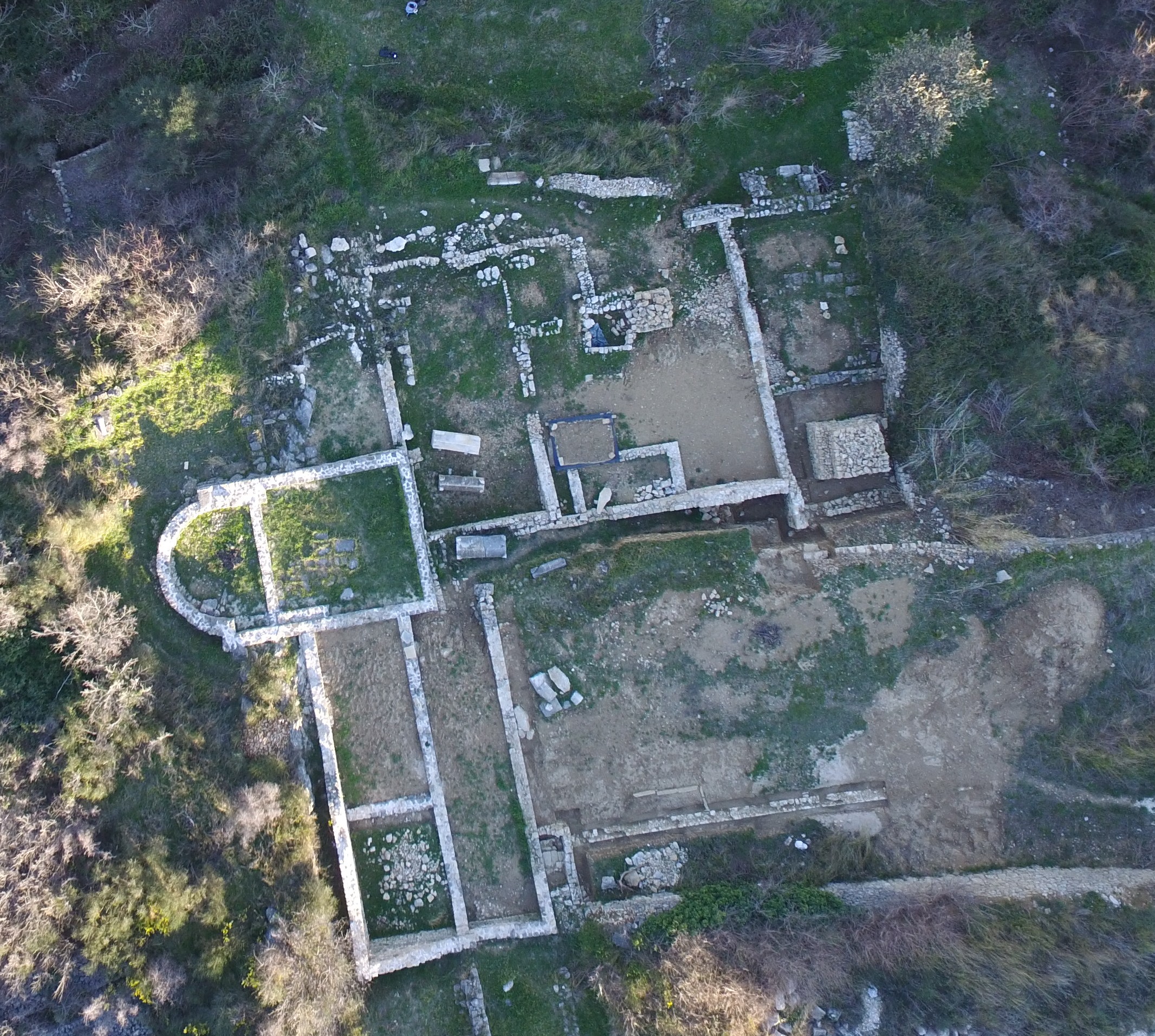
The archaeological site of Rižinice, northeast of Solin, is one of the most important sites of the early medieval Croatian period. Its significance stems from the discovery in 1891 of a fragment of an altar frontal inscribed with “PRO DUCE TREPIME(ro)”, referring to Duke Trpimir (c. 845–865). This allowed scholars to identify the site as the probable Benedictine monastery he donated, mentioned in the “Trpimir Donation Document”.
The monastic complex likely included a single-nave church with an apse, surrounded by other buildings, indicating a well-organized religious community. Although primarily associated with the early medieval period, the site shows continuous use and transformation over the centuries. Before the monastery, a Roman villa from the 2nd century AD probably occupied the site. Excavations have revealed multiple historical layers, including a necropolis with burials from the 1st to 3rd centuries AD, remains of early Christian sculptures, and late medieval burials.
Today, Rižinice provides valuable insight into the transition from the Roman to the early medieval period in Dalmatia, with recent interventions improving both accessibility and heritage preservation.
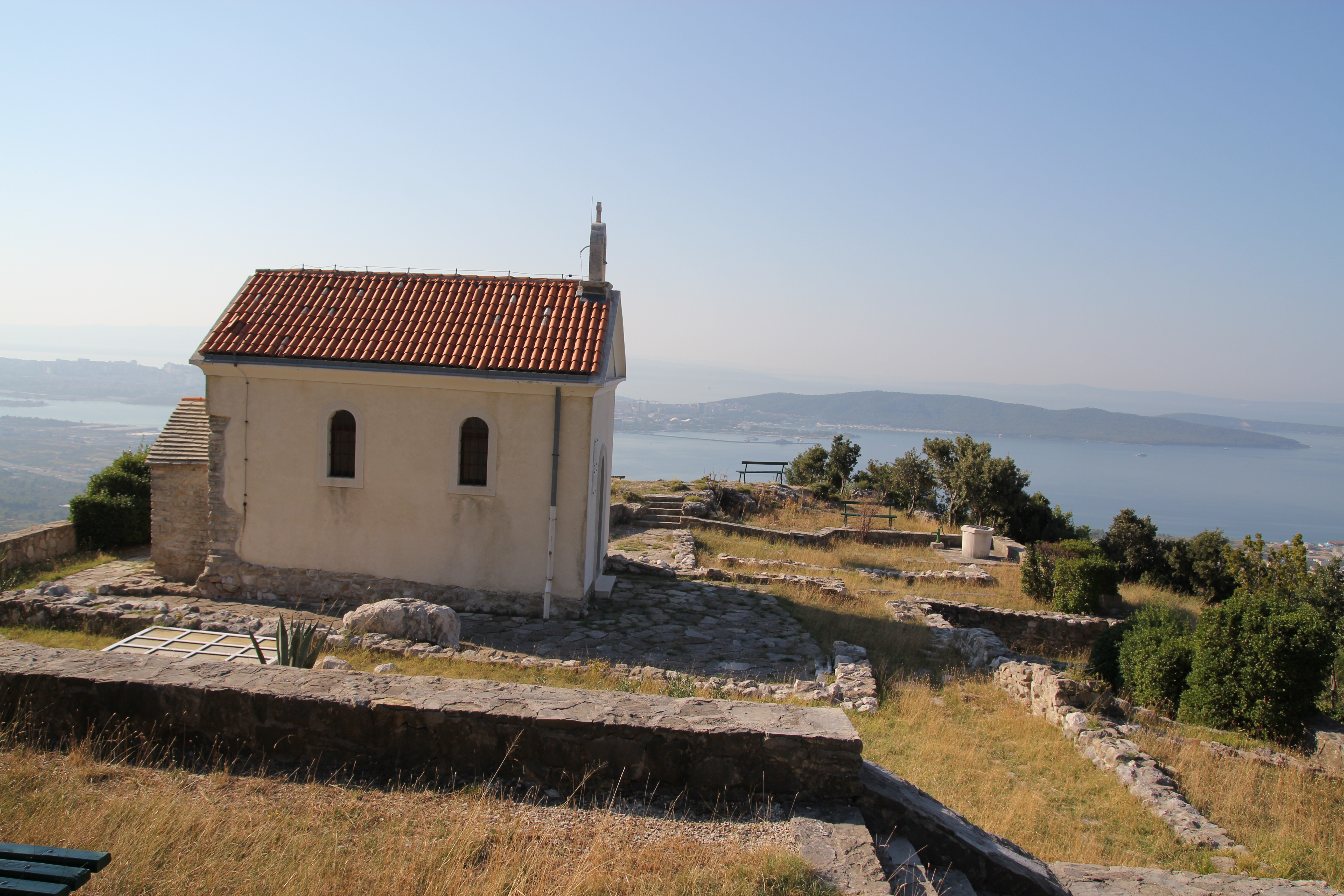
The Church of St. George is one of the most important monuments of early Croatian history, dating back to the early medieval period. It was built on the slopes of Mount Kozjak, on a hill called Putalj in Kaštel Sućurac. Putalj is a complex archaeological site, with layers ranging from the Bronze Age to the 16th century.
Between 1988 and 1995, the Museum of Croatian Archaeological Monuments conducted systematic excavations over ten research campaigns. These investigations uncovered a variety of remains and architectural features, spanning from prehistory through the medieval period. Numerous artifacts were found at the site, including ceramics, glass objects, metal tools and jewelry, coins, bone items such as a Renaissance rosary, and fragments of Roman, early Christian, and pre-Romanesque sculptures.
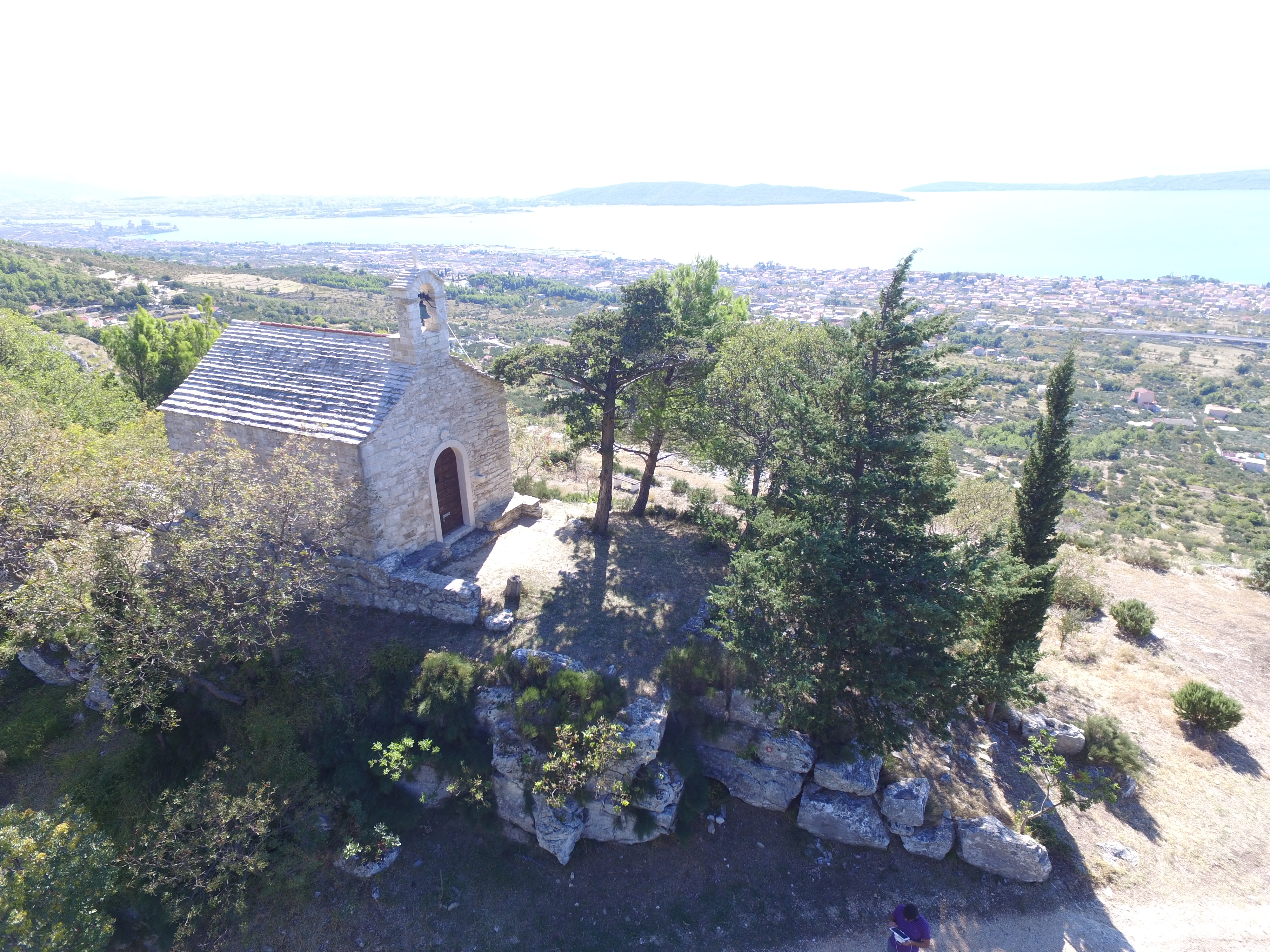
The Church of St. Michael the Archangel stands on the historic site of Lažani in Kaštel Kambelovac, already mentioned in the Croatian Charter of Duke Trpimir in 852. The toponym, of Slavic origin, dates back to the early migration of the Croats to the Adriatic in the 7th century. In this area, there was also an ancient Croatian settlement, traces of which are preserved in the toponym Banja sela (Budrine). Occasional finds of jewelry from that period indicate the presence of an ancient Croatian cemetery dating to the 9th century.
The church dedicated to St. Michael was built in the following centuries of the Middle Ages, on the western tip of a small cliff where a sanctuary once stood. Sculptural fragments and inscriptions from antiquity and late antiquity attest to the presence of an early Christian building and, possibly even earlier, a small Roman temple. Finally, ceramic finds discovered on the surface confirm that this space was in use as far back as prehistory.