

Sailing into the past: Mošćenička Draga shone as a center of maritime heritage
20/07/2024
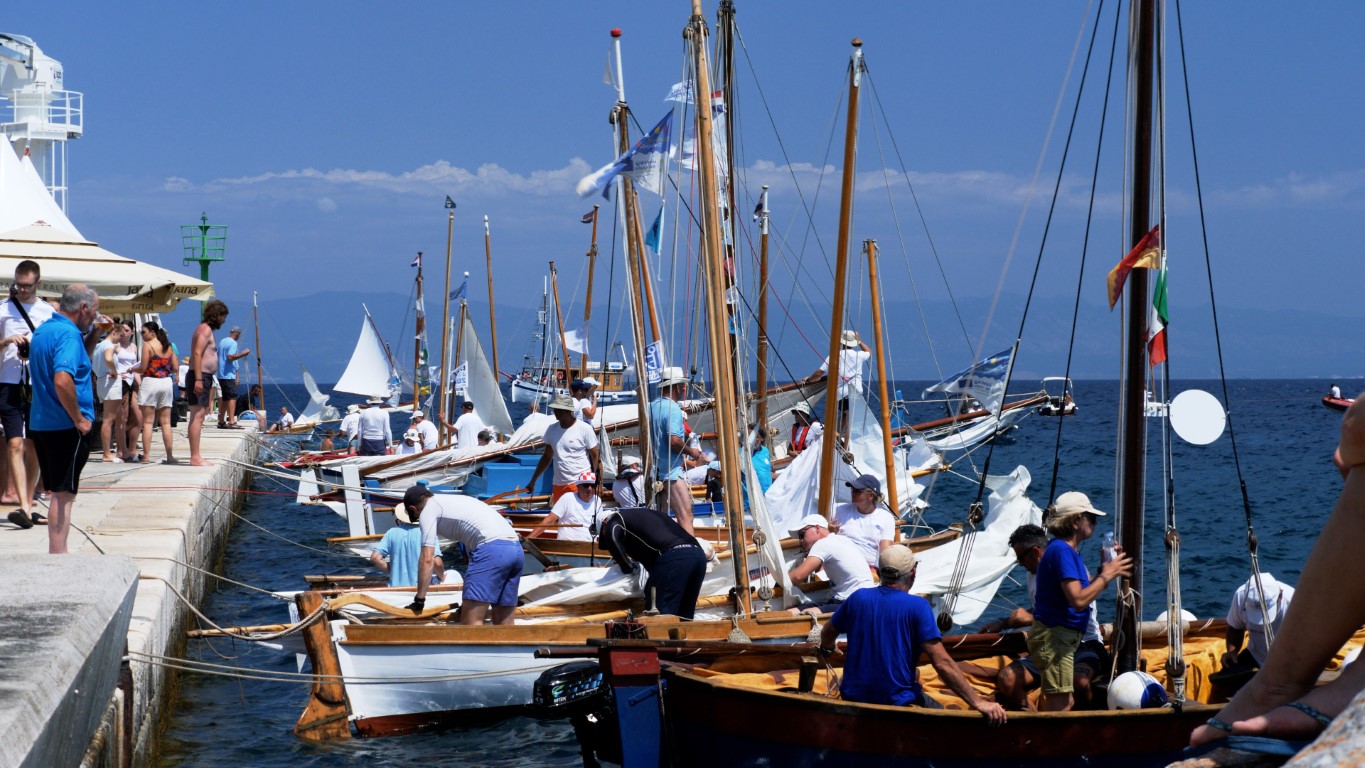
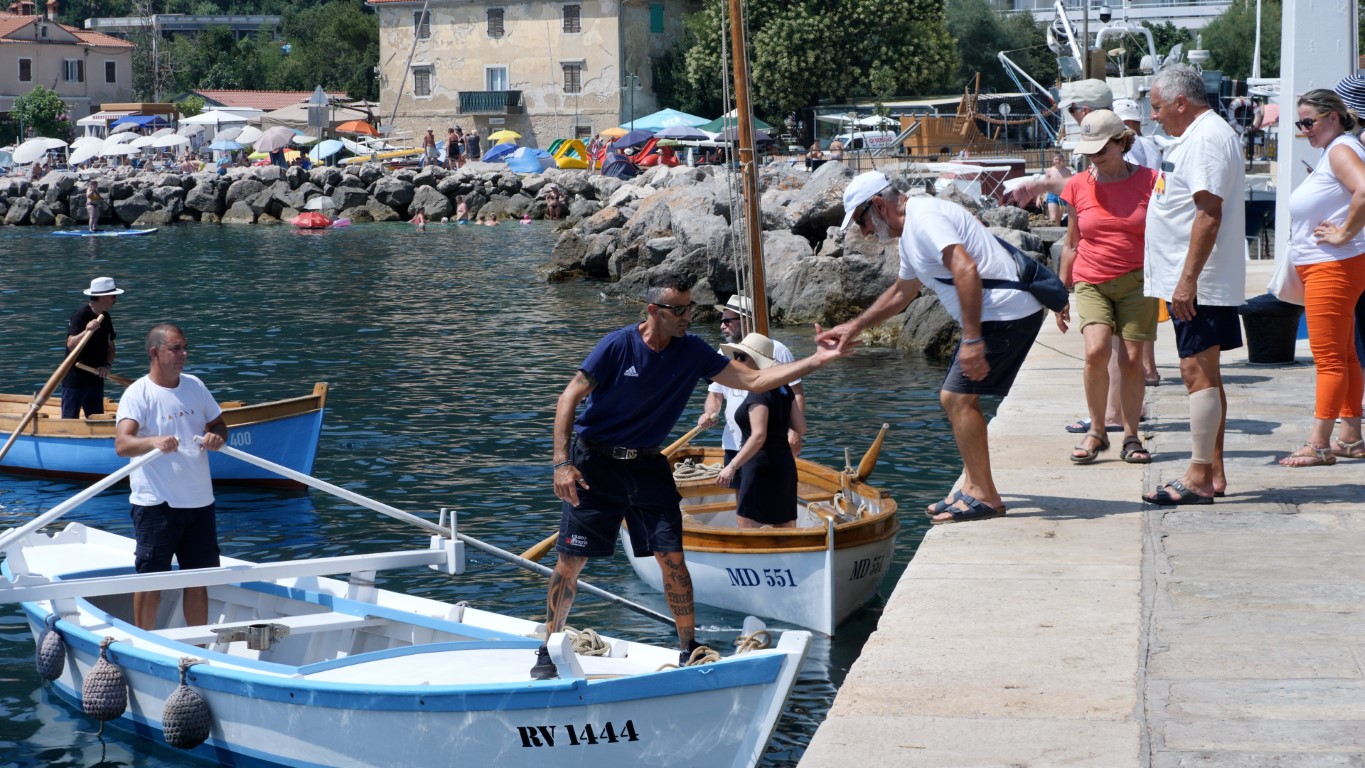
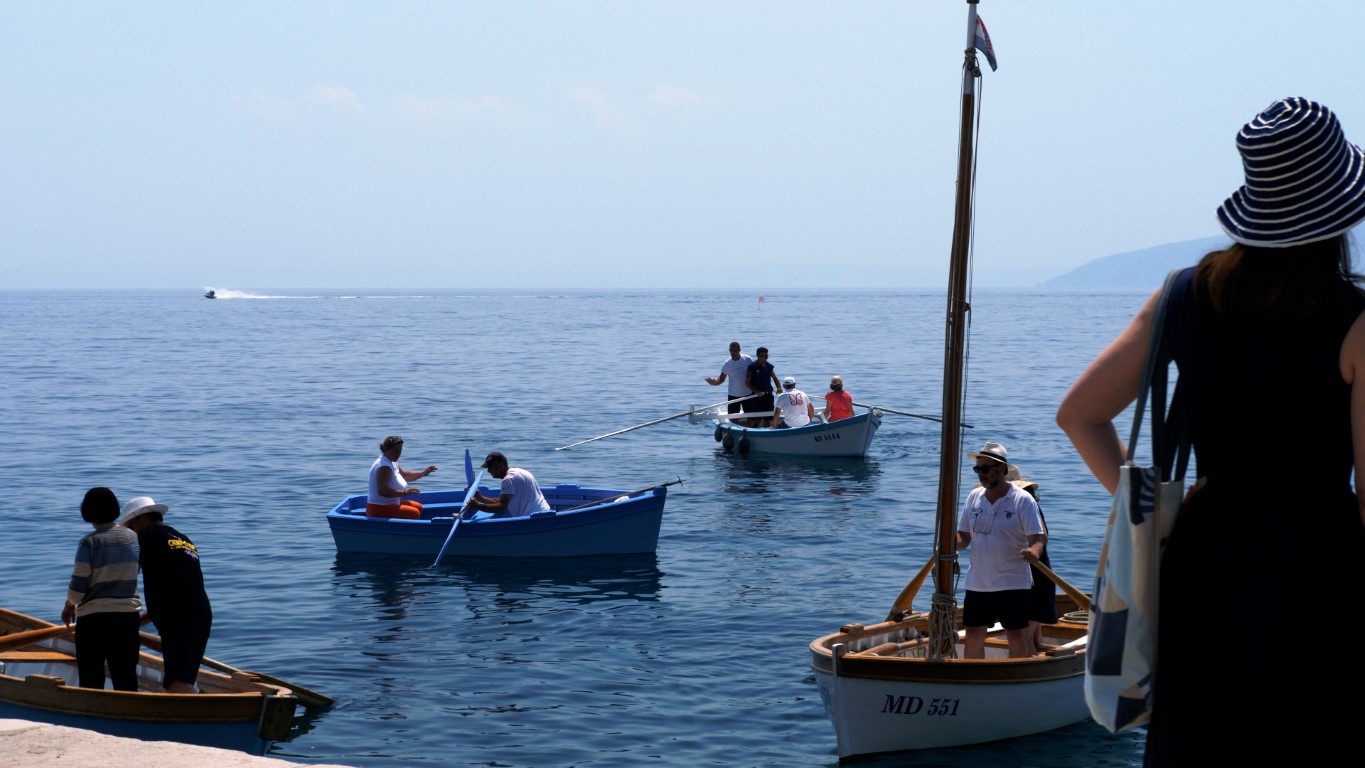
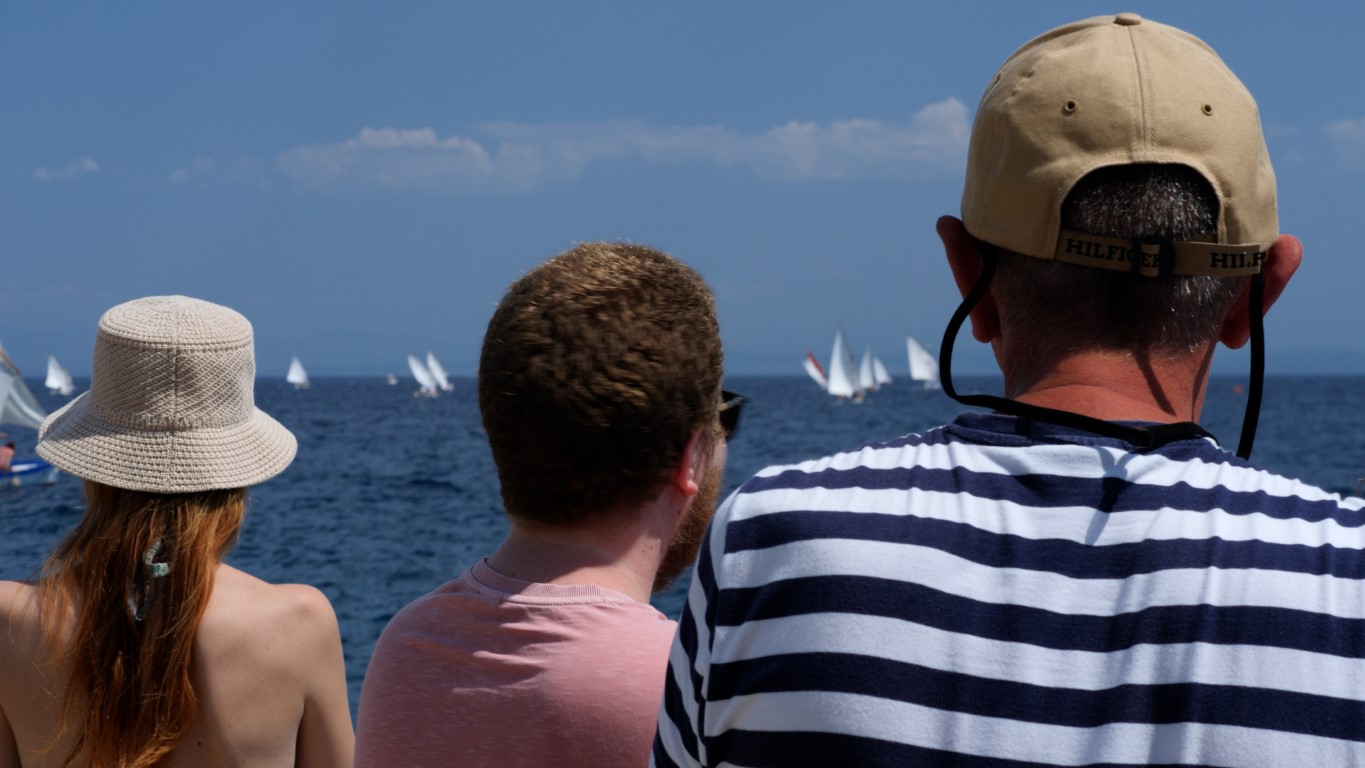
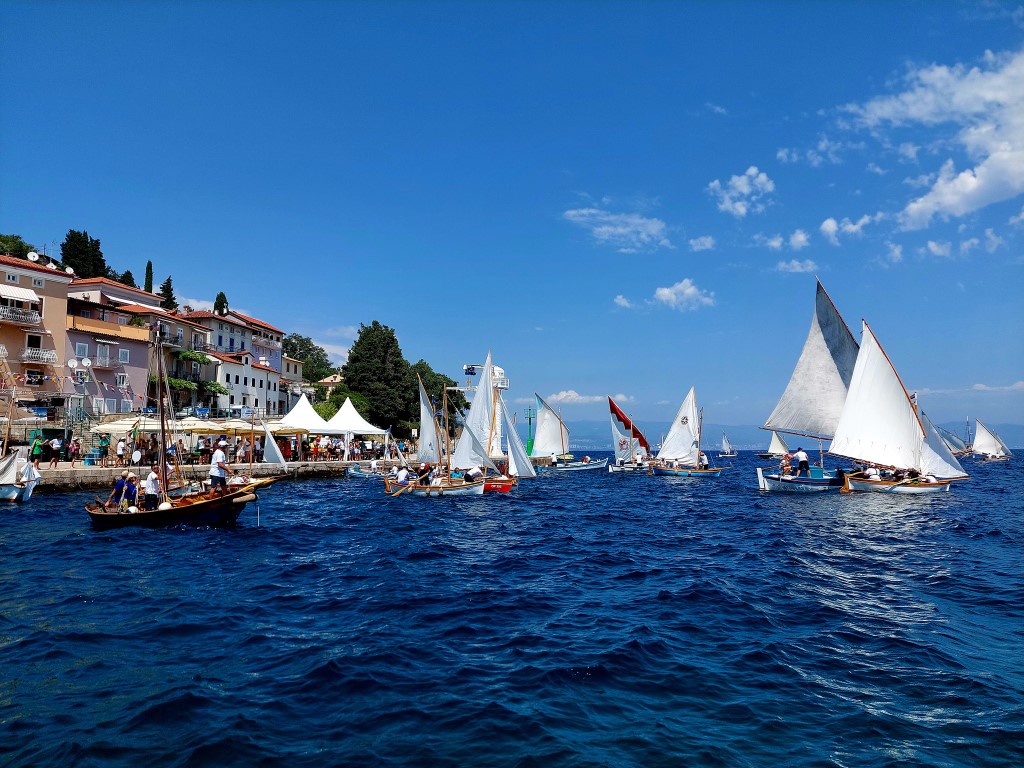
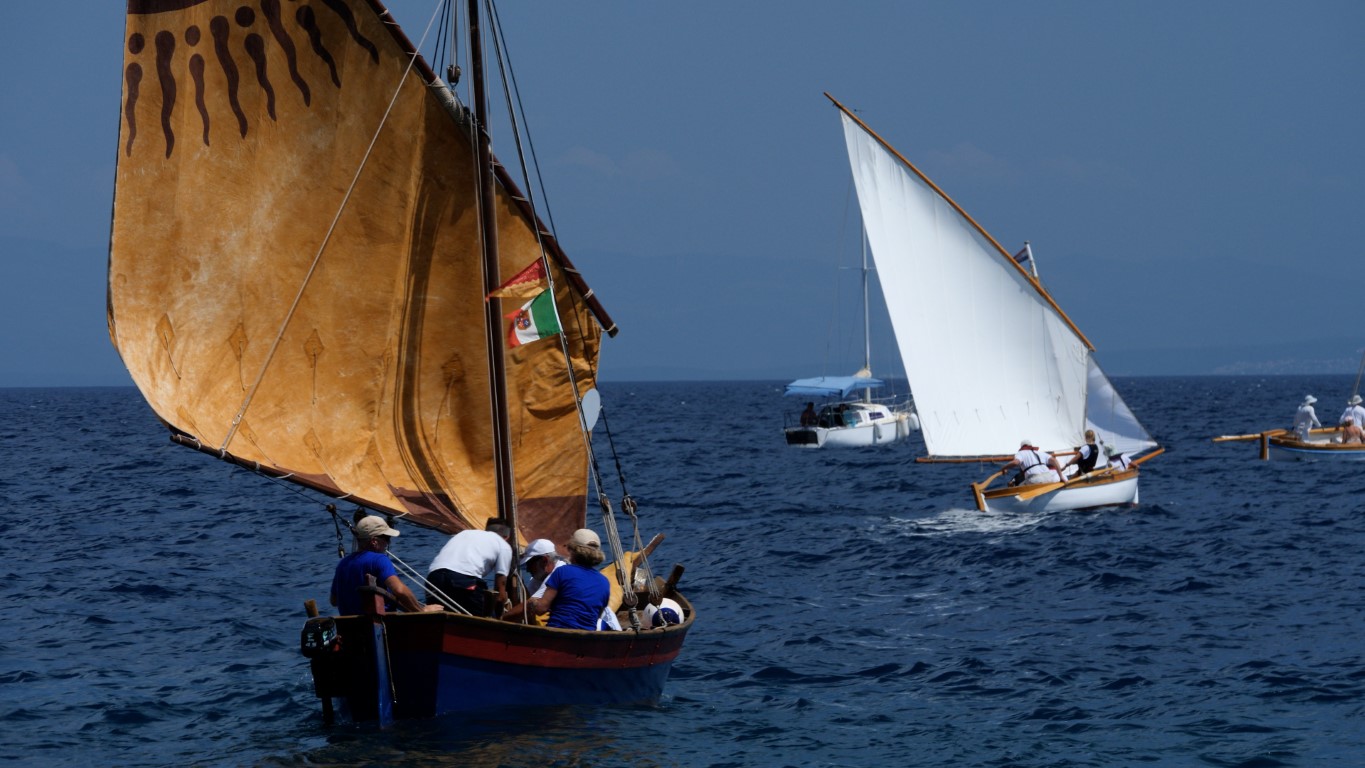
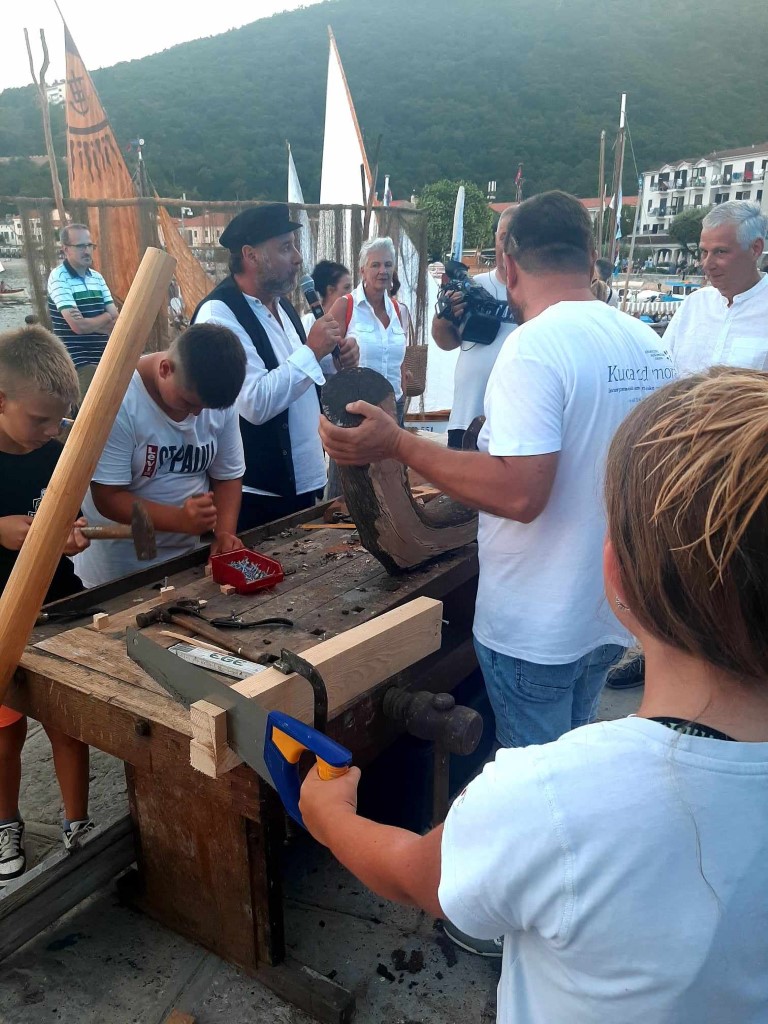
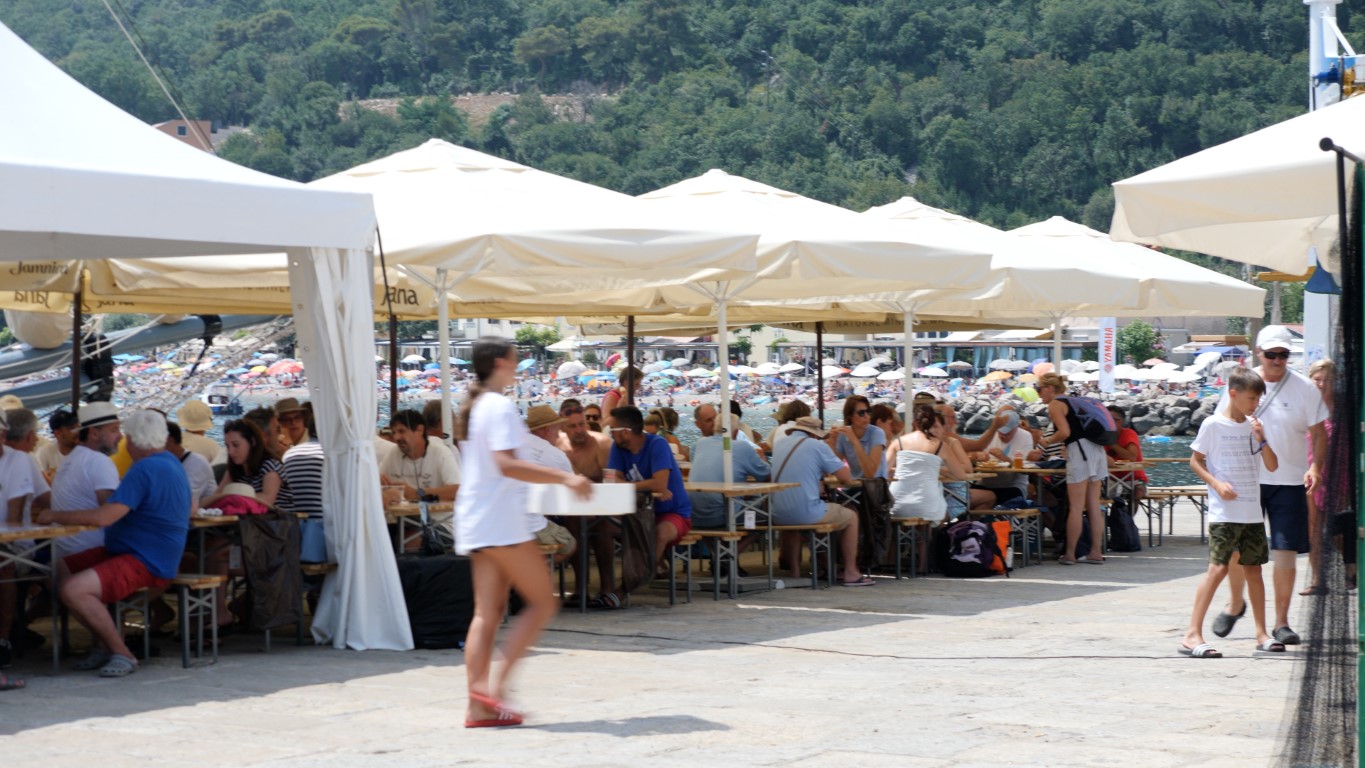
A variety of events took place in Mošćenička Draga last weekend, showcasing the fishing and maritime heritage of the area. The 16th exhibition and regatta of traditional sailing boats, known as "MALA BARKA - Štorija od mora," was the main attraction, accompanied by workshops on traditional maritime skills, rowing and sailing shows, as well as activities for children and visitors on traditional boats. The event also featured a fair of local products, traditional gastronomic offers, boat rides, exhibitions, concerts, and photo contests.
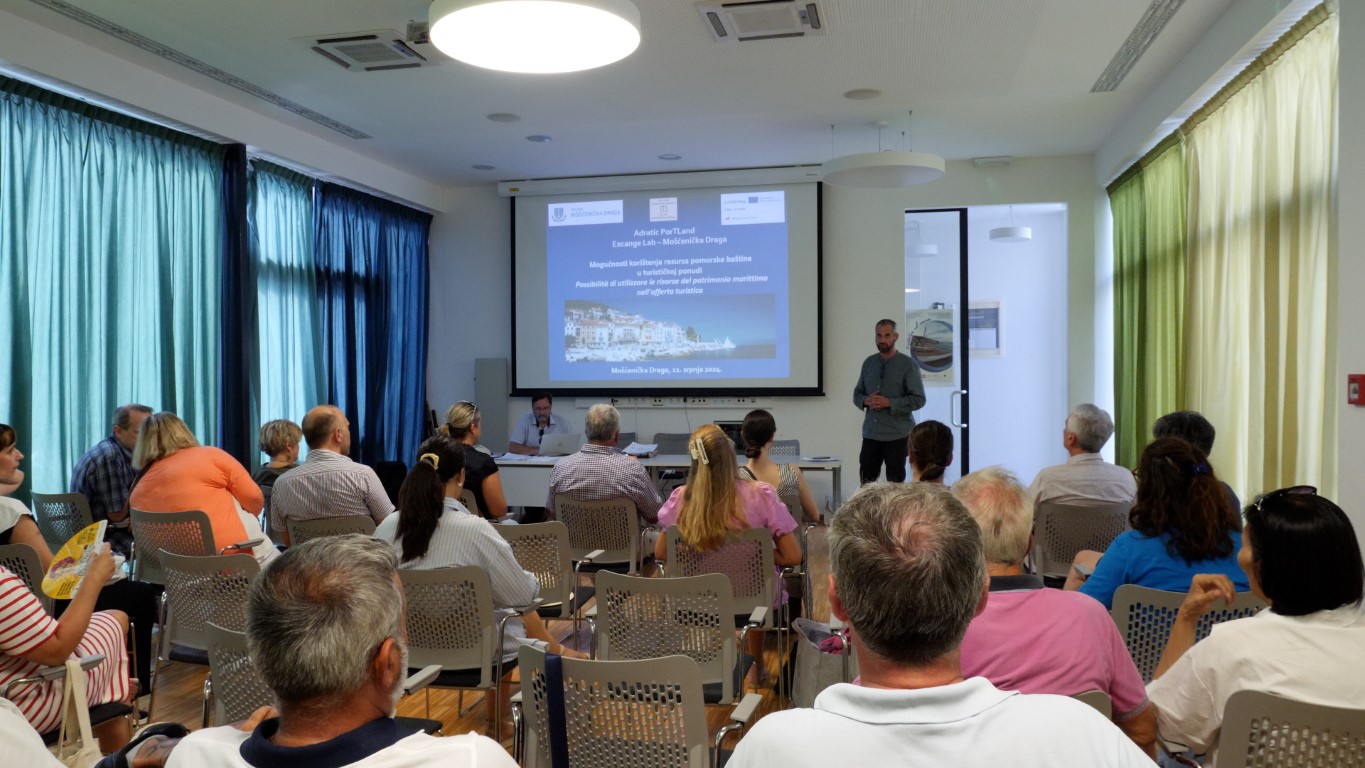
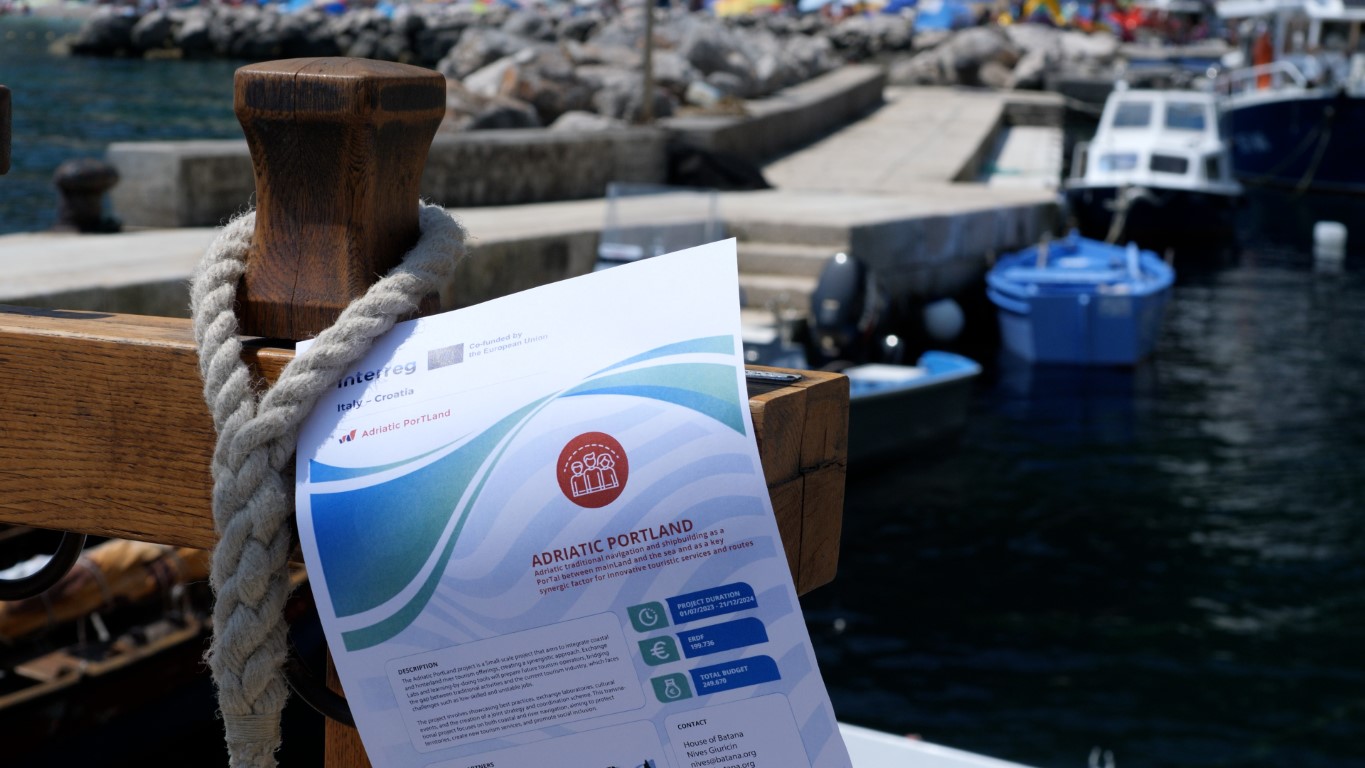
Partners of the Adriatic PorTLand project, Interreg Italy-Croatia, and local stakeholders actively participated in all activities. The Municipality of Mošćenička Draga, Ecomuseum Mošćenička Draga, and the Chair of the Čakavian Parliament organized the Exchange Lab on July 11 and 12.
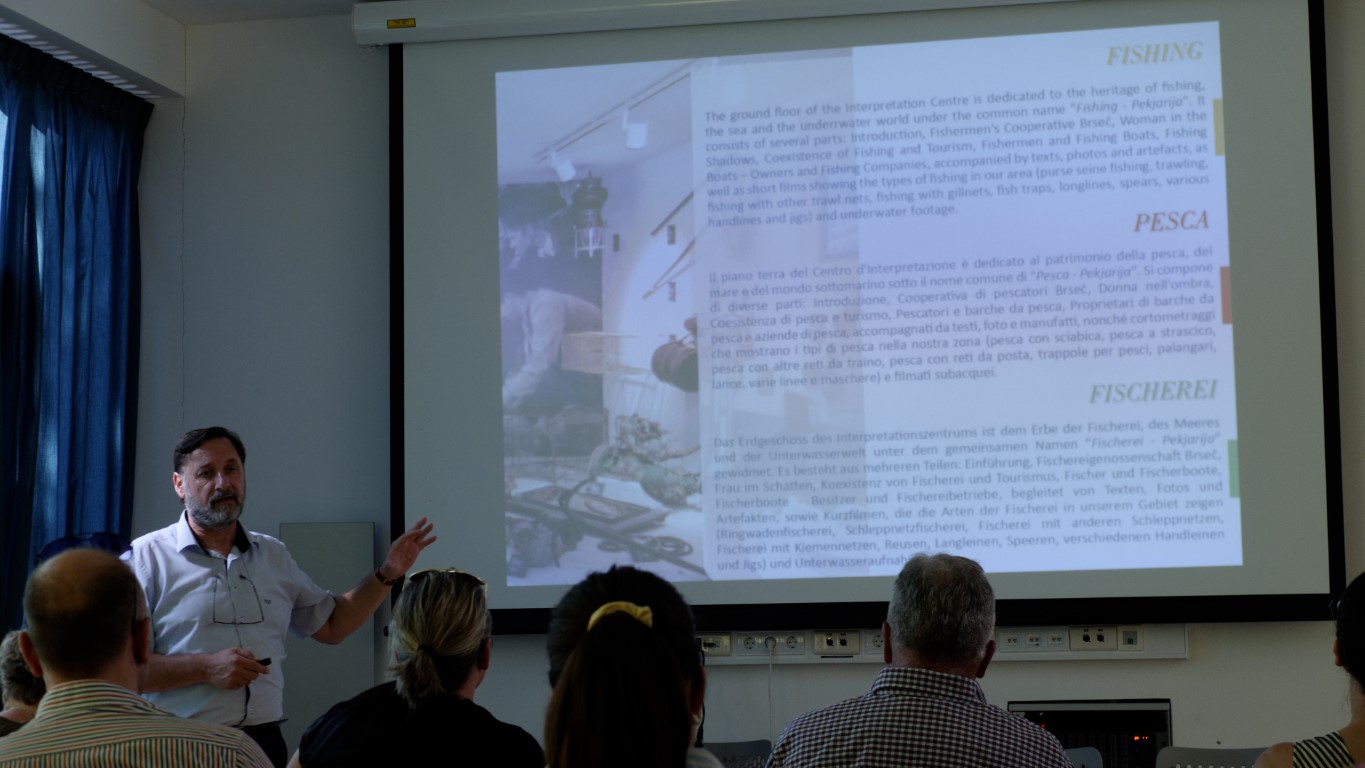
During the Exchange Lab, Prof. Robert Mohović Ph.D, an expert on the fishing and maritime heritage of Mošćenička Draga and Kvarner presented numerous activities and projects of the Ecomuseum of Mošćenička Draga, the Municipality of Mošćenička Draga, and the Chair of the Čakavian Parliament. Since 2009, the Municipality of Mošćenička Draga has made significant progress in preserving the maritime and fishing heritage in Croatia and the entire Adriatic. Through a series of EU projects, many activities were realized, with the most important achievement being the listing and systematization of all traditional boats of Kvarner and Istria. Many boats were restored, and their precious designs were preserved from oblivion and disappearance.
Dr. sc. Elena Rudan, vice dean for business relations from the Faculty of Management in Tourism and Hospitality in Opatija, in her lecture, touched on the question of whether heritage resources are a tourist attraction and presented a series of data from numerous research on cultural tourism that confirm that a large part of tourists are looking for an authentic experience.
The theoretical part of the Exchange Lab brought, as in Rovinj, a lively and constructive discussion moderated by the heritage interpretation expert Manuela Hrvatin. Partners and numerous local stakeholders presented the problems they encountered and discussed the possibilities for moving forward in their elimination. While the Croatian partners are still looking for ways to successfully create a sustainable tourist offer based on maritime heritage, the Italian partners from Cesenatico presented their experiences with an excessive number of tourists and highlighted the very important issue of the safety of transporting tourists in traditional boats. Also, the specificity of traditional boats was emphasized, the maintenance of which requires higher financial expenses than modern ones, while the capacities for transporting tourists are smaller, which affects the price of such a tourist offer.
Through the exchange of experiences, Exchange Lab participants agreed on the need to include these efforts in tourism strategies and the legal framework from local to national levels and to provide comprehensive structured support. Also, the common conclusion is that sensitization of the local population, especially young people, is a necessary prerequisite for continuity in the preservation and valorization of heritage. A proposal was made for the organization of (international) summer camps and schools with a maritime theme, and the creation of a joint network of maritime and fluvial heritage products was proposed in order to ensure their faster and better promotion and sale.
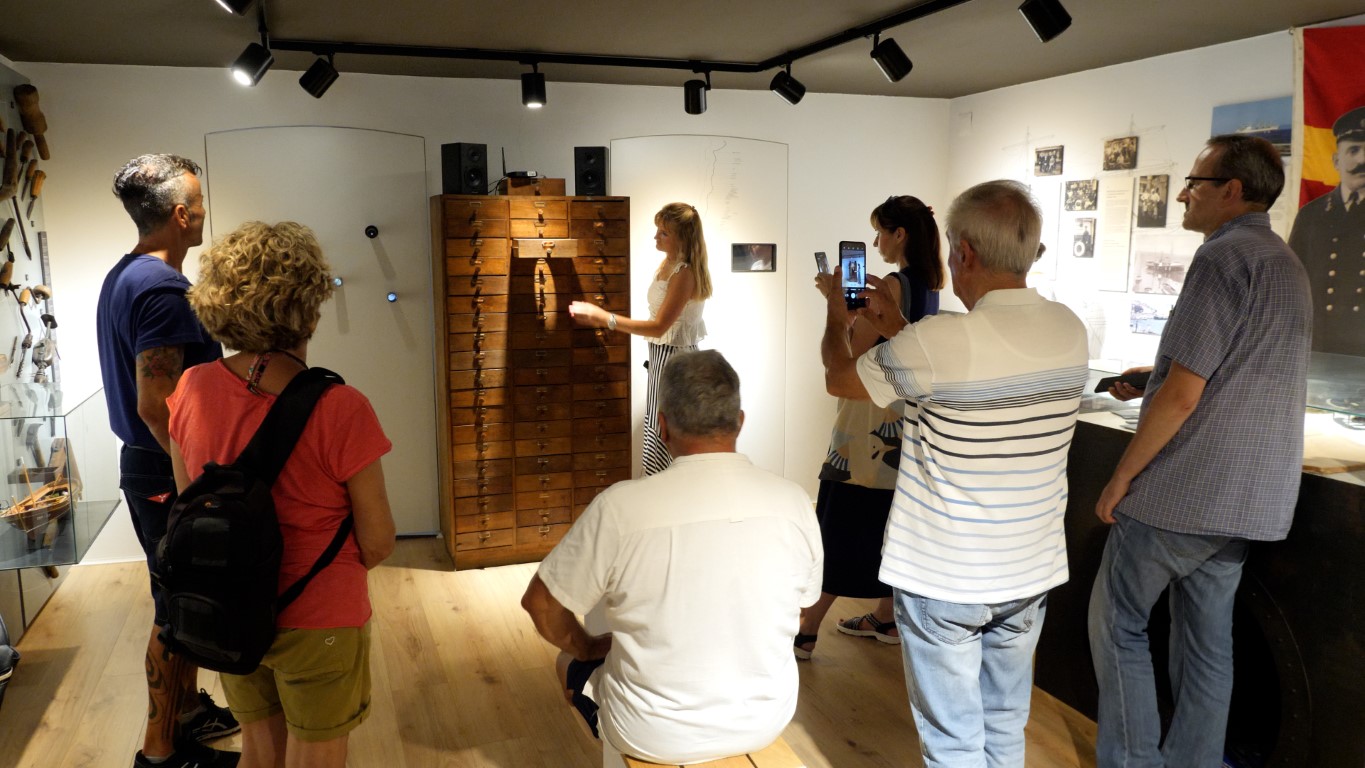
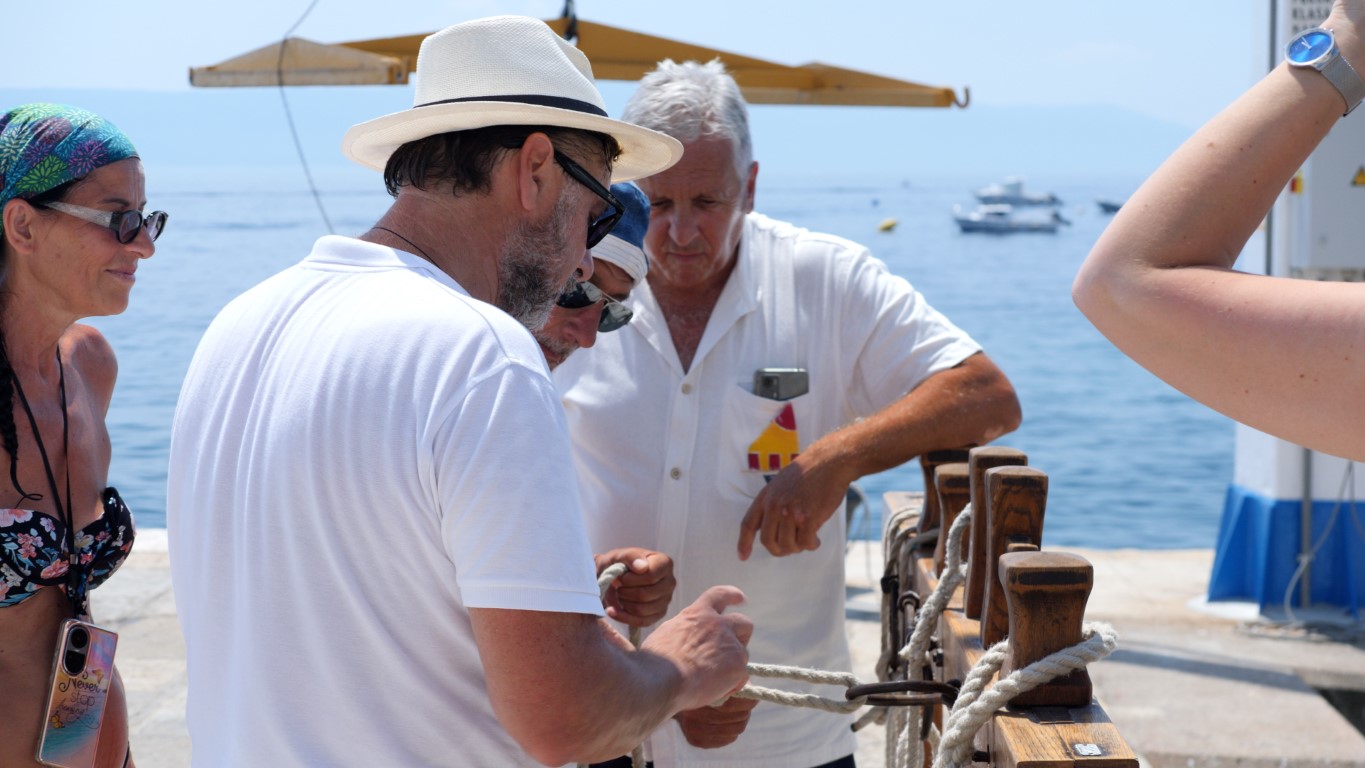
Before taking part with their boats in the 16th regatta of traditional sailing boats MALA BARKA "Štorija od mora", partners and participants viewed the display of the maritime museum "House of the Sea" and tried their hand at the practical part of the Exchange Lab. Along with the local Kvarner guc and the visiting batana from Rovinj, they had the unique opportunity to be the first to try their hand at rowing with the newly renovated batana (patana) from Brseč, which was ceremonially inaugurated at the very beginning of the event. With the participation of partners from Rovinj, the hosts presented ten ways of traditional rowing, and introduced their guests to the characteristic ways of tying sailor's knots.
The journey of the project will continue in the Italian municipality of Cesenatico, where another significant step in creating a joint operational strategy will take place in collaboration with the host Martime Museum in Cesenatico.