

Protected but polluted: From illegal dumps to plastic free choices
This section explores the hidden environmental threats facing the Adriatic Sea, from illegal waste dumps contaminating pristine landscapes to the growing problem of microplastics in its waters.
Discover how pollution challenges protected areas and what steps are being taken to safeguard these vital marine and freshwater ecosystems.
Microplastics have become ubiquitous in the environment. Numerous studies confirm that microplastics are regularly ingested into the human body through food, and especially through water. Research in recent years clearly shows that microplastics are present in almost all parts of the environment: in the air, food, and increasingly in the water we drink.
The World Health Organization (WHO), in its report, discusses microplastics in tap water and bottled water, as well as their impact on human health. For this reason, WHO calls for caution, further research, and a reduction of plastic pollution at the global level.
An average person ingests between 74,000 and 120,000 microplastic particles per year, while individuals who drink exclusively bottled water ingest an additional 90,000 particles. Most microplastics are consumed through bottled water, which contains an average of 94 particles per liter.
Bottled water is in direct contact with plastic packaging, which increases the number of particles released. In analyzed water samples, synthetic fibers and fragments of microplastics are often found, confirming that plastic can detach from packaging into the water. In addition, microplastics from packaging may contain harmful additives or bind other pollutants, further increasing potential health risks. Although, due to a lack of evidence, WHO currently considers the risk to be low, studies increasingly point to possible inflammatory processes, metabolic disorders, and effects on gut microbiota.
Unlike bottled water, tap water undergoes filtration and treatment processes, which usually result in fewer microplastic particles. Data on groundwater sources show that microplastic concentrations in natural waters are significantly lower than in bottled water. For example, in a sample from the Ombla spring, 13 plastic particles were found in 500 ml of water, which is significantly less than the average in bottled water. These data show that although microplastics do penetrate groundwater, the levels are lower than in water stored in plastic packaging.
Microplastics have become an unavoidable part of everyday life, and water is one of the main pathways of exposure. Bottled water, due to constant contact with plastic packaging, contains significantly more microplastic particles than tap water. Tap water, thanks to filtration and treatment, poses a lower risk, although natural sources are not completely free from contamination. Systematic monitoring, education, and legal regulation—still lacking in Croatia—are key to reducing exposure to microplastics and protecting human health.
Research confirms that microplastics are regularly ingested through food and water.
Caring for the environment begins with small, everyday habits that each of us can adopt. Although individual decisions may sometimes seem insignificant, it is precisely these small steps that create major change. One of the most important ways we can contribute to a cleaner and healthier environment is proper waste sorting. By separating waste by type (plastic, paper, glass, bio-waste, and others), we enable a large portion of materials to be reused. This reduces the amount of waste that ends up in landfills while conserving natural resources that would otherwise be used to produce new materials.
WHO also emphasizes the need to better understand how microplastics enter water systems and how to effectively remove them during water treatment. The report states that the aim is “to critically examine the evidence related to the occurrence of microplastics in the water cycle… and the potential health impacts from microplastic exposure.” It also highlights significant “knowledge gaps” that need to be filled to assess real risks to human health.
That is why it is important to choose responsibly. That is why it is important to act today.
Today, more than ever, humanity faces a choice: will we continue on the path of overconsumption and single-use items, or will we choose nature and reject the plastic that is suffocating the planet? Scientific reports clearly show that plastic has become a global symbol of our lifestyle—cheap to produce, but with an enormous environmental cost. Greenpeace warns that 99% of plastics are made from fossil fuels, and their production and consumption continue to rise despite the growing impacts on climate and biodiversity
Plastic is cheap, but the damage it causes is immense. WWF emphasizes that ineffective plastic management has catastrophic consequences for the planet and all living beings, including pollution of oceans, rivers, air, and the food we eat. What we see as waste is actually a reflection of ourselves, our habits, choices, and relationship with nature. Plastic is our footprint.
The UN Plastic Resolution of 2022 calls plastic pollution an epidemic and emphasizes that without reducing plastic production, the global pollution crisis cannot be solved. This is confirmed by the OECD, which warns that global plastic consumption will double by 2050 unless urgent action is taken.
It is therefore crucial to understand that the future does not happen by itself; the future is shaped today. Every choice we make—from the products we buy to the waste we create—determines what kind of world future generations will inherit. Green Initiative reminds us that as early as 1972, at the Stockholm Conference, it was clearly stated that our planet is in trouble and that changes in the way we live and relate to nature are necessary.
Solutions for the future are in our hands. They start today, now, with ourselves. Every time we reject single-use plastics, choose durable and sustainable alternatives, and reduce consumption, we are choosing nature, choosing life, and choosing the future
We look at plastic, but we are really looking at ourselves. Our decisions today determine what kind of world will exist tomorrow.
Today, each of us faces a choice: to sit and worry or to start changing our habits. Croatia, like the rest of Europe, is facing a growing problem of plastic waste. According to the European Environment Agency, EU citizens generate more than 35 kg of plastic waste per person annually, and Croatia about 24.7 kg per inhabitant. This is waste that does not disappear but ends up in the sea, rivers, soil, and air.
Therefore, the message is not only emotional but also scientifically grounded. Zelena akcija and Greenpeace warn that Croatia must urgently reduce single-use plastic consumption, as more than 80% of plastic waste in the EU is still not recycled. Moreover, recycling cannot keep up with the growth in plastic production. The OECD confirms that global plastic consumption will double by 2050 if strict reduction measures are not introduced. In other words, recycling alone is not enough.
What can we do immediately?
- Reduce single-use plastics – bags, bottles, cups, cutlery. According to UNEP, single-use plastics account for more than 50% of marine waste.
- Make responsible choices – use reusable bottles, bags, containers, and buy in bulk. WWF emphasizes that “daily choices can reduce household plastic waste by up to 40%”.
- Reduce synthetic textiles and wash less often – every laundry releases 1,800–2,000 microfibers into the environment.
- Support local cleanup actions – almost 5 kg of plastic accumulate along every kilometer of the Adriatic coast daily.
- Advocate for change – the system changes when citizens demand it.
Solutions to the plastic waste problem start with ourselves, our daily choices, habits, and willingness to reduce, reuse, and properly sort waste. But responsibility cannot stop with the individual. An effective, transparent system and modern technologies for waste collection, processing, and disposal are also needed. Only when personal responsibility is combined with accountable institutional and policy decisions can we expect real and lasting change.
Research results on the Adriatic Sea show that the problem of plastic pollution is much greater than it appears at first glance. According to data from the Ruđer Bošković Institute, the surface layer of the northern Adriatic contains an average of about 250,000 microplastic particles per km². In some locations along the western coast of Istria, significantly higher concentrations of around 600,000 particles per km² have been recorded, among the highest values in the entire Mediterranean.
Plastic is difficult to degrade, but under the influence of environmental factors such as wind, sun, and waves, it breaks down into smaller particles and accumulates in the environment. Once in the environment, microplastics represent an inconspicuous but dangerous form of pollution due to their harmful properties. Primary microplastics most often enter the environment through the discharge of insufficiently treated wastewater from various industrial and municipal treatment facilities. Secondary microplastics account for the largest share of microplastics that pollute oceans, seas, coastal areas, sediments, and even the Arctic. Microplastics themselves are not toxic; however, long-term exposure can lead to poisoning due to harmful additives. Toxicity is further increased when pollutants adhere to the surface of microplastics.
A large portion of microplastics comes from everyday activities, including washing clothes. Synthetic textiles release microfibers that pass through treatment systems and end up in the sea. According to research by the European Environment Agency and IUCN, each wash releases between 1,800 and 2,000 microfibers into the marine ecosystem. These fibers are so small that marine organisms easily ingest them, and they then enter the food chain.
The consequences are also visible in human health. According to an analysis by WWF and Newcastle University, each person ingests up to 2,000 microplastic particles per year through food, water, and air. Scientific research has shown that tiny plastic particles are absorbed and accumulate in living organisms, causing physical damage and toxic effects, meaning that what ends up in the sea does not stay there.
The Adriatic is our home, and protecting it begins with understanding that every plastic particle has a journey—and that journey often comes back to us.
Croatia, like most European Union countries, continues to face large amounts of plastic waste and insufficiently efficient systems for its collection and processing. According to the European Commission, more than 60% of plastic waste in the EU is still not recycled, but ends up in incinerators, landfills, or the environment. Croatia remains below the European average in terms of separately collected plastic waste, and its return and recycling system cannot keep up with the growing consumption of single-use plastics.
Recycling alone is not enough to stop the problem. Most plastics are designed for single-use and short-term applications, but they persist in the environment for hundreds of years. The European Environment Agency notes that the average plastic packaging is used for less than 15 minutes, while its degradation time ranges from 100 to 500 years. This means that plastic accumulates faster than we can recycle it.
Moreover, recycling does not address the fundamental problem—the continuous growth of global plastic production. According to the OECD, plastic production has doubled since 2000, and another doubling is expected by 2060 if stricter reduction measures are not introduced. In other words, even if we recycled more, the amount of new plastic entering the system would continue to rise.
Meanwhile, plastic accumulates in the environment every day. According to the UNEP/MAP report for the Mediterranean, almost five kilograms of plastic waste accumulate along each kilometer of coastline every day. This results from a combination of ocean currents, tourism, inadequate waste management, and riverine inputs from inland areas.
This figure is particularly concerning for Croatia, whose coastline stretches over 6,000 kilometers. It means that more than 30 tons of plastic could accumulate daily along our coast if not regularly removed. Plastic that remains in the environment breaks down into microplastics and nanoplastics, which, as scientific research confirms, can enter the food chain and accumulate in the bodies of marine organisms, causing physical harm and toxic effects.
All of this shows that the solution goes far beyond recycling alone. It is necessary to reduce single-use plastic production, improve waste collection and processing systems, and invest in reuse and alternatives. Without this, plastic will continue to enter the environment faster than we can remove it.
Along the Croatian coast, numerous beach and underwater clean-up actions have been carried out in recent years. According to the Ministry of Economy and Sustainable Development, just within the “Clean Adriatic Sea” campaign and actions organized by local associations, schools, and diving clubs, more than 300 tons of waste are collected from the coast and the sea annually. Volunteers of all ages participate in many of these actions, and the number of registered participants grows every year.
At the same time, Croatian marine animal rehabilitation centers, such as the Sea Turtle Rehabilitation Centre in Pula, the Marine Animal Rescue Centre in Mali Lošinj, and Aquarium Pula, care for dozens of injured turtles, birds, and other marine organisms every year. According to the Blue World Institute, more than 70% of injured turtles found in the Adriatic suffered due to entanglement in plastic or ingestion of plastic waste.
Therefore, every clean-up action has a double effect: it removes waste from the environment and directly reduces the risk for marine animals. By removing just one plastic bag, a piece of styrofoam, or a fishing net, we prevent potential injury or death of a turtle, dolphin, bird, or fish.
Scientific studies confirm that microplastics are present in marine organisms and can cause physical and toxicological damage. Microplastics easily spread through ecosystems and enter the food chain, accumulating in marine organisms.
Thus, cleaning the coast is not merely an aesthetic act—it is concrete protection of life.
The “Blue Bag” project is a valuable initiative based on volunteer clean-ups of coastal debris and other waste. The project encourages every sailor, yachtsman, boater, swimmer, nature lover, or environmentally conscious citizen to collect at least one bag of debris that the sea has washed ashore. The ultimate goal is to prevent, or at least reduce, environmental pollution, especially of the sea. In addition to reducing coastal waste, the project promotes study, evaluation, and preservation of the ecologically and socially sustainable use of the Adriatic Sea.
When we clean the coast, we save both the sea and its inhabitants, as well as our own health. Every piece of waste we remove means less plastic in the sea, fewer injured animals, and a healthier ecosystem. Every small step restores life and hope and shows that a community can be a powerful driver of change.
Plastic has become an unavoidable part of our environment, but it is increasingly clear that it is becoming part of our bodies as well. The breakdown of larger plastic items produces microplastics (1–5 mm) and nanoplastics (1–1000 nm), particles so small that we cannot see them, yet we ingest them daily. What was once considered solely an environmental issue is now increasingly recognized as a public health concern.
Primary microplastics are tiny particles intentionally manufactured for specific purposes, such as in textiles, detergents, cosmetics, and hygiene products. Secondary microplastics arise from the fragmentation of larger plastic items and constitute the largest share of microplastics polluting oceans, seas, coastal environments, sediments, and even Arctic regions.
Exposure to microplastics has become daily and unavoidable. Plastic particles enter the body through ingestion, inhalation, and skin contact. One of the most cited studies found plastic in 77% of human blood samples, confirming that particles do not remain confined to the digestive system but can circulate throughout the body and reach various organs. Similar research found plastic particles in 65% of analyzed lung tissue samples, including the deepest parts of the lungs.
These findings confirm that airborne microplastics can be inhaled and deposited in the lungs. Particles smaller than 10 μm can penetrate bronchioles, and those smaller than 2.5 μm can reach alveoli, where gas exchange occurs. This means that plastic does not remain in the lungs but can enter the bloodstream and spread throughout the body. Studies show that microplastics and nanoplastics can damage the intestinal barrier, induce oxidative stress, trigger inflammation, cause programmed cell death, and disrupt the function of cellular organelles.
Food is another important pathway of exposure. According to an analysis by WWF and Newcastle University (2019), the average person ingests about 5 grams of plastic per week — roughly the weight of a credit card. This confirms that microplastics are present in many foods, including salt, sugar, and bottled water. In other words, plastic enters the food chain and ends up on our plates. Microplastics accumulate in organisms and pass through living systems, causing a range of biological effects, including metabolic disturbances, oxidative stress, immunological, neurological, histological damage, and DNA damage. Depending on the size, concentration, type, and interactions with other harmful substances, microplastics affect living organisms and the environment differently.
All of this shows that plastic is no longer just an environmental problem. It has become a global health concern. Microplastics and nanoplastics enter the body daily, can accumulate in organs, and can affect long-term health. As plastic production continues to increase and its breakdown creates ever-smaller particles, it is clear that this is a challenge requiring urgent action from the scientific community, health institutions, and policymakers.
The Adriatic Sea, as part of the system, is considered one of the most burdened parts of the Mediterranean. This is due to its geographical and oceanographic characteristics: the Adriatic is a semi-enclosed basin with very slow water renewal. It is estimated that it takes 80 to 120 years for water in the Adriatic to be completely replaced. This means that everything entering the Adriatic, including plastic, remains there for decades.
Because of this slow exchange, plastic accumulates in the Adriatic faster than it can degrade. Already, more than 80% of waste in the Adriatic is plastic. It comes from land-based sources, tourism, maritime traffic, and rivers, and breaks down into microplastics that enter the food chain and accumulate in commercial fish species. This affects the health of marine organisms and the quality of catches, directly impacting fisheries and coastal communities.
Poor management of plastic waste significantly contributes to the record levels of plastic pollution in the Mediterranean Sea. According to a new report by the World Wide Fund for Nature (WWF), such a situation costs regional economies hundreds of millions of euros annually. Marine litter represents a major cost for tourism, fisheries, and shipping, estimated at around €641 million per year. Plastic production is too cheap, while the costs of waste management and pollution are too high, borne by communities and nature. According to the WWF director, the only way to keep plastic out of the Mediterranean is for all countries to drastically reduce production and consumption and invest seriously in innovative recycling and reuse systems so that plastic never becomes waste in the first place.
Research conducted in U.S. coastal regions confirms that marine litter poses a serious threat to coastal communities that depend on tourism, as litter reduces recreational value. Clean beaches attract more visitors, while polluted beaches lead to a sharp decline in tourism activity. Some estimates suggest that marine litter can reduce tourist arrivals by up to 3.5%. Marine litter is a direct threat to tourist appeal and the economic development of coastal communities. Clean beaches increase visitor numbers, spending, and employment, while polluted beaches generate significant economic losses and damage the reputation of a destination. NOAA research clearly shows that investing in waste prevention and removal provides multiple benefits — ecological, social, and economic.
Since the Adriatic is a slow system that cannot handle additional burdens easily, any new input of plastic remains and accumulates long-term. Therefore, protecting the sea, reducing waste, and responsibly managing resources is essential not only for preserving ecosystems but also for the future of fisheries, tourism, and coastal life.
Sources
In a world changing faster than ever, something is happening that nature cannot keep up with. Animals are ingesting plastic thinking it is food, with devastating consequences. In the Mediterranean, a dolphin was found with more than 80 plastic bags in its stomach, a tragic symbol of what is happening across the planet.
Scientific studies show that plastic ingestion has been documented in over 180 marine species, including fish, turtles, marine mammals, and mollusks. Seabirds are particularly vulnerable: it is estimated that 74–90% of all seabird species have plastic in their stomachs, often as small pieces mistaken for food.
They ingest what we leave behind: bags, bottle caps, ropes, microplastics. Plastic fragments block their digestive system, causing starvation, injuries, and death. Microplastics are already present in plankton, fish, and shellfish, and thus enter the human food chain.
If plastic continues to accumulate in the environment, nature will increasingly struggle to perform its functions, and both humans and animals will suffer the consequences. Between 1970 and 2020, due to human impact, average population sizes of species declined by up to 73%. When a species population drops below a certain threshold, it can reduce the resilience of the entire ecosystem, also diminishing and threatening the ecosystem services humans rely on, such as food, clean water, and climate regulation.
Scientists warn that human activity is triggering the sixth mass extinction in history, with plants and animals disappearing at rates ten to several hundred times faster than at any point in the last ten million years. According to last year’s report from the Intergovernmental Science-Policy Platform on Biodiversity and Ecosystem Services (IPBES), 75% of the Earth’s terrestrial surface is severely affected by human activity: nature is declining and disappearing globally at an unprecedented rate, and extinction threatens up to one million plant and animal species.
Evolution is a process of adaptation that leads to greater resilience and complexity. What is happening now is not adaptation but forced survival under human-created conditions. This is ecosystem regression, and with it, regression of quality of life on the planet.
Despite all dangers – climate change, mass volcanism, celestial impacts, glaciations, and global warming – life has always survived, recovered, and ultimately become stronger, more resilient, and more diverse than before. This fact can give us some optimism for the future after the current period, which many experts call the sixth mass extinction. Nature clearly shows that the limit has been reached and that it is time to change.
The Mediterranean Sea, including the Adriatic, is one of the seas most polluted by plastic in the world. Although it covers less than 1% of the world’s marine surface, around 230,000 tons of plastic waste enter it every year. As a result, the Mediterranean contains approximately 7% of the total global marine plastic waste, placing it among the most burdened marine ecosystems on the planet.
The Adriatic Sea, as a semi-enclosed marine basin with very slow water exchange, retains plastic for even longer periods. According to estimates, more than 80% of the waste in the Adriatic is plastic. A large portion of this waste comes from land, and rivers are one of the main pathways of entry. For example, the Neretva River brings about 2.8–3% of the total plastic that ends up in the Adriatic, which is an exceptionally high share for a single river.
In the sea, plastic breaks down into microplastics, which enter the food chain. Scientific studies in the northern Adriatic have shown the presence of microplastics in the digestive systems of commercially important fish species (Avio et al., 2018). Microplastics can affect fish health, their growth, reproduction, and meat quality, which directly affects the market value of the catch.
In addition to ecological consequences, there are also economic impacts. Marine litter reduces catches because fish avoid polluted areas, and part of the catch becomes unusable due to contamination. The European Commission estimates that the EU fishing sector loses about €61.7 million annually due to marine litter—through damaged equipment, reduced catches, and additional operational costs (European Commission, 2016). In the Adriatic, fishermen pull large quantities of plastic from the sea every day. FAO data confirm that the Adriatic is one of the areas with the highest shares of waste in fishing gear. On average, a single trawler collects about 5–10 kg of marine waste during one net deployment. During 15 fishing days—an average monthly time spent at sea—a trawler may collect between 100 and 150 kg of marine waste, which can amount to around 1.2–1.5 tons annually.
The situation is further complicated by the fact that fishermen are legally required to hand over the waste they remove from the sea, but in many ports there is still no adequate infrastructure for its disposal. Thus, those who depend most on a clean sea—fishermen—also bear the greatest burden of cleaning it.
If nothing changes, global projections warn that by 2050 there could be more plastic than fish in the seas by mass. In the semi-enclosed Adriatic, this scenario could occur even sooner, with long-term consequences for fisheries, tourism, food security, and ecosystem health.
Therefore, the message is clear: a clean sea brings profit, a polluted sea brings losses. When the catch becomes waste, everyone loses. The fight against plastic pollution is not only an environmental obligation but also an economic necessity and an investment in the future of coastal communities.
Plastic pollution today represents one of the greatest threats to marine ecosystems. Every year, millions of tons of plastic enter the oceans, most often from coastal areas and river flows. Due to its durability and slow degradation process, plastic accumulates in seas and oceans, where it becomes a permanent source of danger for many organisms.
Many marine species ingest plastic particles, mistaking them for food. Such ingestion can cause internal injuries, blockages of the digestive system, a false sense of satiety, and ultimately death. According to research conducted by the Ruđer Bošković Institute, marine organisms most often ingest smaller plastic pieces and become entangled in larger ones. Interactions with plastic have been documented for nearly 700 different marine species. Entanglement of animals in lost fishing nets and other plastic debris leads to injuries, exhaustion, and drowning. Fishing gear, whose lifespan is estimated at several hundred years, sometimes up to 600 years, accounts for 27% of marine litter. Its quantity can be expressed in thousands of kilometers of lost fishing nets every year, with devastating consequences for biodiversity.
Although the problem is global, the Mediterranean Sea is particularly threatened. Due to its semi-enclosed nature, densely populated coasts, intense maritime traffic, and tourism, plastic accumulates in the Mediterranean faster than it can be degraded or removed. It is estimated that between 873 and 2,576 tons of plastic waste float on the surface of the Mediterranean Sea, including trillions of small particles. At the same time, the Mediterranean Sea is one of the richest biodiversity areas in the world, home to thousands of species, many of which are endemic.
This combination of high biological value and intense pollution makes the Mediterranean Sea particularly vulnerable. Many species, including sea turtles, birds, and marine mammals, are exposed daily to the risk of ingesting plastic or becoming entangled in it. In the long term, plastic pollution may lead to population decline, disruption of food chains, and loss of biodiversity.
UN estimates indicate that approximately 30% of fish contain microplastics in their tissues, and microplastics have also been found in oysters, mussels, and tuna. According to a UNEP report from 2012, microplastics in seas and oceans negatively affect the reproductive capacity of marine organisms, their ability to capture prey, bone strength, and overall physical fitness, which is essential for survival. The search for food also takes significantly longer. In addition, various pathogenic microorganisms use microplastics as a means of easier entry into organisms. Organisms living in marine sediments are particularly exposed to microplastics, which can bind up to one hundred times higher concentrations of harmful pollutants.
Increasing amounts of microplastics in aquatic systems affect the development of various populations, including algae, by reducing the availability or absorption of nutrients.
The noble pen shell (Pinna nobilis), once a symbol of healthy coastal habitats, is now critically endangered. The pen shell is a filter feeder, and bivalves filter approximately 2 liters of seawater per hour, making them particularly sensitive to plastic in the marine environment. Research on bivalves has shown that polystyrene microplastics can move from the digestive tract into the circulatory system of shellfish, leading to various inflammations and a weakened immune system. This affects their resistance to diseases and even their ability to survive.
Plastic also serves as a substrate for the colonization of organisms, enabling the spread of invasive species into new areas and disrupting the natural balance of ecosystems.
Reducing plastic waste and protecting marine ecosystems requires joint action by governments, local communities, and individuals. Considering the importance of the Mediterranean Sea as an ecological and economic resource, it is necessary to develop effective management measures, reduce plastic input into the environment, and encourage sustainable habits that will contribute to the preservation of marine life.
How serious plastic pollution has become is illustrated by the description of a new species of amphipod, Eurythenes plasticus, in 2020, which was named after PET plastic found in its stomach. The species was discovered in 2014 at depths between 6,010 m and 6,949 m in the Mariana Trench in the Pacific Ocean. By giving it this name, scientists wanted to emphasize that plastic pollution affects marine organisms even at depths of 6,000 meters below sea level, in places where humans have never been.
Humans are the only species on the planet that create waste that nature cannot decompose. Marine litter includes all waste in the marine environment and coastal areas that originates from human activities on land and at sea, and it can be found on the sea surface, in the water column, or on the seabed.
Plastic pollution is today one of the largest global environmental problems and directly affects human health. The latest research shows that people ingest microplastics every day through food, water, and air. According to a study by Cox et al. (2019), an average person consumes between 126 and 142 microplastic particles per day, depending on diet and environmental quality. Microplastics have been found in seafood, salt, bottled water, and even in indoor air.
In the Mediterranean Sea, the problem is particularly pronounced. The WWF (2019) estimates that around 570,000 tons of plastic waste enter Mediterranean waters every year, which is equivalent to about 33,800 plastic bottles thrown into the sea every minute. Due to its semi-enclosed nature and slow water exchange, plastic accumulates in the Mediterranean faster than in open oceans. A large portion ends up on the seabed or on coastlines, where it degrades the landscape, threatens tourism, and harms marine organisms. UNEP warns that plastic pollution is constantly increasing and that, if the current trend continues, it could quadruple by 2050, further burdening ecosystems and human health.
The Adriatic Sea, as part of the Mediterranean, is one of the European seas most heavily burdened by plastic waste. Most waste comes from land—from cities, rivers, sewage systems, tourism activities, and inadequate waste management. A smaller but still significant share originates from vessels, fishing equipment, and maritime transport. Due to sea currents, waste from Greece, Albania, and Montenegro often ends up on the eastern Adriatic coast. Plastic is the biggest problem because it accounts for more than 80% of total marine litter, and the latest data for the Adriatic indicate as much as 96% plastic content. Of this, 50% is single-use plastic, while 27% is related to fishing activities.
Plastic is a stable synthetic material composed of different polymers, among which the most common are polypropylene (PP), polyethylene (PE), polystyrene (PS), polyvinyl chloride (PVC), polyethylene terephthalate (PET), and polyamide (PA). Most of them are produced from fossil fuels such as oil and natural gas (UNEP, 2018). Due to its durability, plastic decomposes very slowly, and under the influence of sunlight, waves, and wind it breaks down into increasingly smaller particles that accumulate in the environment and represent a long-term ecological problem (EEA, 2020).
Although recycling is useful, only a small portion of plastic is recycled globally. Most plastic waste still ends up in landfills, incinerators, or in nature. The reasons are technical and economic: plastic degrades during processing and cannot be recycled indefinitely, and many types contain additives and dyes that make processing more difficult (Ellen MacArthur Foundation, 2016). For decades, the plastic industry has promoted recycling as the main solution, although numerous documents have shown that it was often a marketing tool used to conceal the problem of excessive production (UNEP, 2018).
In Croatia, as in most EU countries, large quantities of plastic waste are still produced, and collection and recycling systems are not sufficiently efficient. A particular problem is single-use plastic, designed for short use but present in the environment for hundreds of years.
Plastic products are marked with numbers from 1 to 7, which helps identify the type of plastic and recycling possibilities (PlasticsEurope, 2019):
1 – PET: used for beverage bottles; recyclable.
2 – HDPE: used for toys, pipes, containers; recyclable.
3 – PVC: used for windows, doors, bags, cards; the most hazardous plastic and often not accepted in recycling centers.
4 – LDPE: used for films and packaging; difficult to recycle and recommended to avoid.
5 – PP: used for synthetic fabrics, hot food containers, car parts; generally not recycled.
6 – PS: used for disposable cutlery and containers; usually not recycled.
7 – Other plastics (BPA, polycarbonates, lexan): not recycled.
Although recycling can help, it is not enough to solve the problem. Most plastic is single-use, technically difficult to recycle, and economically unprofitable to process, while new plastic is often cheaper. The key solution is reducing production, eliminating single-use plastic, and developing reuse systems.
In the rush of everyday life, it is easy to forget that we are part of nature, even though every drop of water in our bodies reminds us of it. A newborn contains about 97% water, and an adult between 70 and 80%. This same water that flows through our cells is part of the global cycle that drives oceans, clouds, and rain. That is why it is often said that the sea covers 70% of the planet and water makes up 70% of us — and this is not just a metaphor, but a fact. Water is the foundation of life, an irreplaceable natural resource without which neither humans nor any other form of life on Earth could exist.
Oceans and seas cover almost three-quarters of the Earth’s surface, contain 97% of all water, and constitute 99% of the planet’s living space. They regulate climate, produce oxygen, store carbon, and sustain millions of species. Despite their crucial role, only 8.4% of the world’s seas are currently under formal protection, far below the global target of 30% by 2030. At the same time, oceans and seas are under increasing pressure from warming, acidification, overfishing, and pollution, which threaten their balance and resilience.
Biodiversity conservation is one of the main environmental challenges of our time. The importance of preserving biodiversity in supporting ecosystem function, society, and the economy as a whole is increasingly recognized. How critical this is can be seen from the fact that more than half of global revenue depends on nature.
The Mediterranean Sea is considered a hotspot due to its exceptionally high biodiversity value. With a current estimate of 17,000 marine species, it accounts for 7.5% of the total diversity of all seas. The Adriatic Sea, relative to the area of all seas, is very small, representing only 4.6% of the total Mediterranean surface. However, beneath its waters, the Adriatic harbors extremely diverse marine ecosystems, with over 7,000 recorded species.
For this reason, the Natura 2000 network plays a key role in preserving European nature, including Croatia’s. It protects the most valuable areas for species and habitats, ensuring their long-term survival while allowing sustainable use. Natura 2000 does not only protect individual species; it protects the processes that make life possible: oxygen production, water filtration, carbon storage, coastal stability, and complex food webs — everything that connects sea and land.
The Western Istria Aquatory (HR1000032 and HR5000032) is one of Croatia’s most valuable marine areas. It covers 15,470 hectares, 99% of which is sea, and includes key habitats such as seagrass meadows, reefs, sandy bottoms, and marine caves.
According to the Management Plan (PU 7011), this area is home to numerous protected fish, mammal, reptile, and bird species, yet it faces pressures from anchoring, fishing, waste, noise, and climate change. Therefore, it requires careful management and active protection to preserve its exceptional biodiversity.
Biologically, physically, and ecologically, we are part of the same system. Healthy oceans mean stable climate, safe food, clean water, and ecosystem resilience. By protecting the sea, we protect ourselves. Conservation of oceans and marine areas, including Natura 2000, is therefore the foundation of a sustainable future. Without healthy seas, there is no healthy planet, and without oceans, there is no us.
Changing people's behavior is one of the key challenges in reducing waste generation and protecting natural areas. Within the WASTEREDUCE project, a systematic review and meta-analysis was conducted to better understand which informative and behavioural interventions are most effective in encouraging responsible waste-related behaviours.
The study analysed scientific research on different approaches used to promote actions such as proper waste disposal, recycling, reusing, and litter prevention. Following the internationally recognised PRISMA 2020 methodology, the analysis examined different types of interventions, including improving waste infrastructure, providing information and reminders, giving feedback, promoting social norms, and encouraging commitments to responsible behaviour.
The results provide encouraging evidence: behavioural interventions can have a significant positive impact on waste-related actions, even in real-life environments where many factors influence people’s choices.
Among the most effective approaches were interventions that make sustainable behaviour easier to perform, such as placing recycling bins in convenient locations or creating clearly organised waste collection points. Providing feedback about positive results and using social examples that show responsible behaviour were also found to be effective strategies.
On the other hand, some commonly used approaches, such as incentives, simple instructions, or reminders alone, showed limited effectiveness. The findings suggest that information campaigns are most successful when they are combined with practical solutions that make the desired behaviour simple and accessible.
The analysis also highlights the importance of adapting interventions to specific environments. In protected and natural areas, visitors should be supported through well-designed waste collection points, clear guidance, positive examples, and communication activities that encourage a shared sense of responsibility for preserving nature.
These findings provide valuable guidance for the WASTEREDUCE project activities and future actions aimed at reducing waste in protected and Natura 2000 areas. By understanding what motivates people to change their behaviour, we can design more effective solutions for cleaner and more sustainable natural environments.
The Po River Delta is a diverse wetland ecosystem with habitats such as wetlands, lagoons, forests, dunes, and river channels. It supports a wide range of plant species, including reeds, cattails, white water lilies, glasswort, oak, ash, and alder, as well as animal species such as flamingos, spoonbills, glossy ibises, little egrets, and the Mesola red deer. This biodiversity is closely linked to hydrological processes that connect the Po Delta with the Adriatic Sea.
In the Adriatic Sea, surface water circulation is influenced by freshwater inputs from the River Po and other rivers, as well as the inflow from the Mediterranean Sea through the Otranto Strait. Although the river is protected through efforts to reduce pollution and promote sustainability, strong cooperation and public awareness are still needed to address ongoing environmental challenges.
The Po River is the largest in the Adriatic basin, and the longest river flowing entirely within Italy, with a length of 652 km. The Adriatic Sea is bordered by densely populated and highly developed coastal regions. Waste generated by approximately four million coastal residents eventually enters the sea. The Po River alone contributes approximately two-thirds of the total daily river discharge into the Adriatic Sea. It has been estimated that the Po River releases between 2.2 and 3.8 tonnes of floating microplastics into the Adriatic Sea each day.
Wind is an important factor influencing how water and waste from the Po River spread across the Adriatic. There are three main recognized wind regimes in the northern Adriatic circulation: Bora, Scirocco, and Mistral. The Bora is a strong, dry northeasterly wind that typically occurs during winter and keeps the Po River plume closer to the coast. The Scirocco is a warm, humid southeasterly wind that is more common from spring to autumn and spreads the Po River plume farther across the Adriatic Sea. The Mistral is a weaker northwesterly wind that has only a limited effect on water circulation and plume transport.
Organic matter is important in rivers because it supports the transport of carbon, contributes to nutrient cycling, and sustains ecosystems by carrying carbon from land through rivers to deltas and the sea, where it influences sediments and long-term carbon storage. In October 2000, a “major 100-year flood event” occurred in the Po River. In just four days, a massive storm crippled Northern Italy, forcing over 40,000 people to leave their homes and shutting down major industrial hubs like the automotive plants in Turin. The disaster temporarily disrupted a vital region that generates roughly 40% of the entire country's economy. The core connection between the October 2000 flood and subsequent organic matter research lies in how the marine seabed preserved and altered this terrestrial organic carbon over time; two years later, scientists found that the thick flood mud acted like a giant time capsule, trapping the washed-in carbon beneath the seafloor for long-term storage.
The Po Valley is one of the most fertile agricultural regions in Europe. Due to intensive farming across its large basin, the Po River accumulates nutrients and pollutants such as nitrogen and phosphorus, which are then transported into the northern Adriatic Sea. This input contributes to eutrophication, which causes algal blooms and low oxygen levels, highlighting the importance of reducing agricultural pollution to improve water quality.
The issue of waste carried by the Po River has been recognized, and active efforts are underway to address this matter. Based on available information, two ongoing projects are directly focused on the Po River and issues related to waste management and plastic pollution.
MINOSSE (2023–2026) is a regional project that focuses on using numerical models to track how plastic moves from Italian rivers such as the Po and Arno into the northern Adriatic Sea, helping researchers understand how plastic spreads and accumulates in rivers and coastal areas.
PoSalvaMare (2024–2026) is a regional project that aims to track, reduce, and prevent plastic pollution in the Po River basin before it reaches the Adriatic Sea, while also encouraging clean-up activities, recycling, and greater environmental awareness.
While global awareness of waste pollution remains more focused on marine rather than freshwater ecosystems, the WASTEREDUCE project makes an important contribution to addressing waste-related challenges. In the WASTEREDUCE project, the focus is on both marine and freshwater environments within Natura 2000 areas, including Sakarun Bay, the Coasts of Istria, and the Middle Brenta River.
The project’s results were generated and disseminated through surveys, interviews, stakeholder engagement activities, educational workshops, lectures, collaborations, conferences, and expert discussions. The WASTEREDUCE project also introduces practical solutions, including the DPOL device, a smart waste collection system used along the western coast of Istria, and the WASTEREDUCE monitoring camera installed on the Brenta River in Italy to help prevent illegal waste dumping. Overall, the WASTEREDUCE project combines scientific research with practical solutions, strengthening the connection between environmental science and effective waste management in both river and marine ecosystems.
Plastic pollution is choking some of the world’s most beautiful protected natural areas, and tackling it requires more than just new bins or recycling programs. It calls for a complete rethink of how we use materials and manage waste, especially in tourism hotspots where plastic waste piles up fast.
Thanks to the Wastereduce project, we now have clear, practical steps that tourism and hospitality businesses can take right away to cut down plastic pollution, and make a real difference.
Swap single-use for sustainable
Forget disposable cups, plates, straws, and cutlery made from plastic or even “bioplastic.” The future belongs to durable, reusable alternatives crafted from glass, ceramic, stainless steel, wood, or eco-friendly bioplastics. Imagine sipping your coffee from a stylish glass cup or enjoying your meal on a ceramic plate that reduces waste, and looks great too. Even small swaps, like replacing plastic straws with reusable metal ones or offering refillable soap dispensers, can dramatically shrink your plastic footprint.
Go natural with furnishings and decor
Plastic chairs, synthetic turf, and artificial plants might seem convenient, but they harm the environment. Instead, opt for furniture made from natural materials like wood, bamboo, stone, or metal. Use fences crafted from plants or natural fibers, and replace plastic umbrellas with ones made from palm leaves or other organic materials. Not only do these choices look beautiful and fit seamlessly into natural settings, but they’re also kinder to the planet.
Upgrade waste management smartly
Say goodbye to plastic dish sponges, flimsy cutting boards, and open trash bins that spill litter everywhere. Switch to natural cleaning tools like cellulose sponges or loofahs, wooden or stone cutting boards, and covered bins with pedals to keep waste contained and encourage recycling. In protected areas, providing separate recycling bins helps visitors and staff sort waste properly, preventing contamination and making recycling efforts far more effective.
Follow the rules and lead by example
The EU’s Single-use plastics directive (Sup) targets the worst plastic offenders. Products marked with the Sup logo should be avoided whenever possible. If you can’t avoid them, dispose of them properly in general waste bins, because these items can’t be recycled.
By making simple, sustainable choices, each of us can go beyond just reducing plastic waste - we can lead by example. It’s a win for nature, a better experience for everyone, and a lasting legacy for future generations.
The ongoing challenge of illegal waste disposal
Illegal waste disposal continues to pose a serious environmental threat along the Adriatic coast, endangering protected natural areas, polluting waterways, and compromising public health. While recent years have seen notable improvements in waste management infrastructure and regulations, the persistence of unauthorized dumping sites reveals deeper systemic issues and problematic public behaviors that require urgent and sustained attention.
Illegal dumping in our pilot areas
In Croatia’s Istria region, the situation mirrors wider regional trends. Despite advances, illegal waste continues to accumulate in various locations due to the irresponsible actions of both individuals and businesses. Some residents seek to avoid waste collection fees, while certain industries sidestep proper waste handling procedures entirely. Since the launch of Istria’s first official List and Remediation Plan for Illegal Landfills in 2006, the region has made commendable efforts to identify and rehabilitate dumping sites. As of the latest 2020 report, there were still 122 active and 85 inactive illegal waste sites recorded. Zadar County faces similar difficulties. Home to 20 protected areas, including national parks and Natura 2000 sites, Zadar currently manages approximately 120 active illegal dump locations. Many of these are found on the outskirts of urban centers, within industrial zones, or scattered throughout sensitive natural habitats. There are, however, encouraging examples of innovative approaches. Etra S.p.A., a partner in the Wastereduce initiative, has taken a leading role in environmental monitoring and waste removal along the Brenta River, a Natura 2000 protected area. Utilizing electric quad bikes for quiet patrols, Etra combines surveillance with community engagement events such as “Let’s Clean the Brenta River.” Their efforts, backed by local authorities and partially funded by the LIFE Brenta 2030 project, demonstrate how technology and grassroots involvement can work together to prevent illegal dumping at the source.
Prevention as the key to reducing illegal waste
Prevention is key to effective waste management. Awareness campaigns, cleanups, and deterrents like cameras and barriers help reduce illegal dumping, especially in sensitive areas like Natura 2000 sites. However, issues such as overtourism, lack of disposal options, and low public awareness keep the problem alive. Many still dispose of waste improperly despite available facilities, leading to severe contamination, including over 200 caves in Istria. Solving this requires a combined effort of infrastructure investment, education, technology, and regional cooperation.
Progress has been made, but ongoing public engagement and commitment are essential to protect the Adriatic’s fragile ecosystems and ensure sustainable waste management.
Biodiversity of Seagrass Meadows
Seagrass meadows, especially ones with Posidonia oceanica, are among the richest habitats in terms of biodiversity and ecological value within the Adriatic Sea’s infralittoral zone.
Apart from Neptune grass (P. oceanica), three other species of seagrasses are to be found in the Adriatic:
• Dwarf eelgrass (Zostera noltii),
• Eelgrass (Zostera marina), and
• Little Neptune grass (Cymodocea nodosa).
P. oceanica is endemic to the Mediterranean Sea, meaning it is found only in this region.
Habitat and Ecological Role of Posidonia oceanica
Meadows of P. oceanica inhabit the infralittoral marine step, where there is plenty of light, from the surface down to depths of around fifty meters. They are among the most important coastal ecosystems, primarily thriving in well-preserved areas, although they can also be found in regions affected by increased human activity.
P. oceanica mostly grows on sedimentary seabeds and stabilizes the substrate with its roots, thus playing a crucial role in preventing coastal erosion.
P. oceanica meadows are called the “green lung” of the Mediterranean Sea and are compared to the Amazon rainforest on land, both for their biomass production and oxygen generation.
- One square meter of a P. oceanica meadow produces approximately 14 liters of oxygen every day.
This seagrass also absorbs carbon dioxide from the atmosphere and thus plays an important role in the cycle of nitrates and phosphates (nutrient salts).
Sakarun Bay: A Pilot Site
Sakarun Bay is one of our pilot areas, located in the northwest of Dugi Otok. This distinctive sandy beach stretches about 300 meters, with turquoise waters that beautifully contrast the darker coastal vegetation. The bay itself is roughly 700 meters wide and 900 meters long, shaped by fine sand, pebbles, and deposits of P. oceanica. These seagrass meadows play a crucial role in protecting the coastline from erosion. However, they are currently fragmented and damaged, mainly due to intense nautical tourism, especially from boat anchoring.
Seagrass Debris and Coastal Protection
Seagrass debris from P. oceanica accumulates on beaches as berms, especially during stormy autumn and winter months. These berms help protect the shoreline, making the beach more resistant to waves and reducing erosion. At the same time, the movement of water caused by winds, currents, and the physical features of the sea not only helps form the berms by transporting seagrass leaves but also increases the availability of mineral nutrients in the water. These nutrients are essential for phytoplankton growth, which supports the entire marine food web. Therefore, the natural process of water mixing plays a dual role:
- It aids in building protective berms that reduce coastal erosion, and
- Enhances nutrient availability, which boosts marine productivity.
Waste Pollution in Sakarun Bay
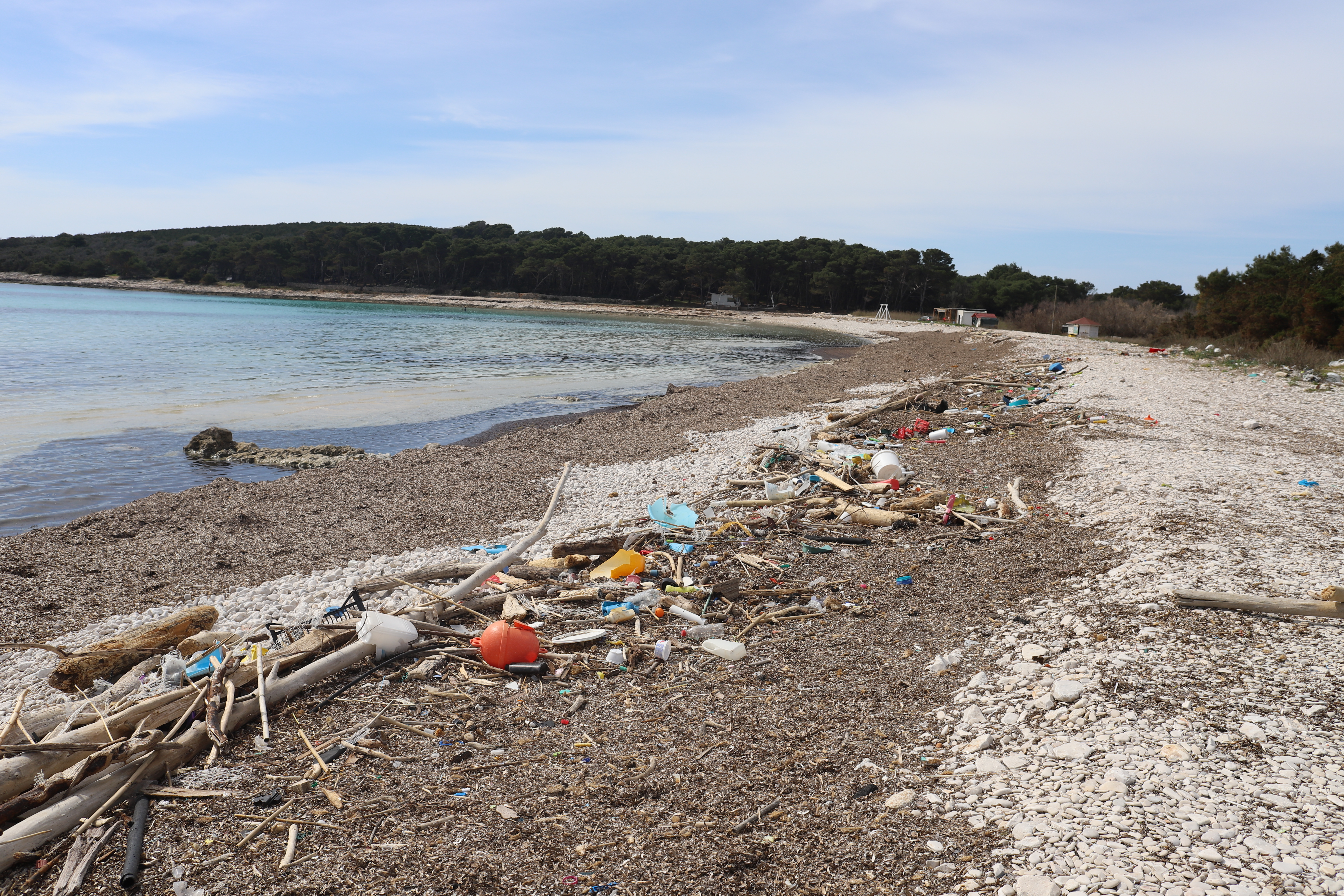
One of the main pressures on coastal areas is waste accumulation, both from the sea and from beach visitors.
- Research conducted in 2018 at Sakarun Bay revealed that the beach was heavily polluted, with approximately 95% of the waste being plastic, including single-use items, bottles, caps, bags, and fishing gear.
The area is carefully cleaned and organized just before the summer season, ready for visitors and beach activities.

Governance and Management of Sakarun Bay
The WASTEREDUCE’s associated partner, “Natura-Jadera” Public Institution, manages Sakarun Bay and other protected areas in Zadar County. An Action Plan is a key part of the overall management strategy for protected areas and Natura 2000 sites.
The Action Plan, developed under the POSBEMED2 project (Management of Posidonia Beach-Dune Systems in the Mediterranean), supports sustainable coastal management in areas with P. oceanica deposits, especially within protected and Natura 2000 sites. Focusing on the northwestern part of Dugi Otok and the Sakarun Bay, the plan aims to:
- strengthen management practices,
- enhance ecological resilience, and
- promote nature-based solutions.
This plan was developed through a participatory stakeholder process that tested practical tools for managing P. oceanica deposits in protected areas.
WASTEREDUCE Project and Waste Management
The WASTEREDUCE project is working to reduce the impact of waste in Sakarun Bay by implementing good practices and concrete actions. This includes methodologies, surveys, observations, analyses, and interviews with locals. By gathering these results, the project can better understand how visitors and stakeholders perceive waste and the effects of their behaviour in all pilot areas. WASTEREDUCE focuses on education and collaboration to address the pressing issue of waste management and promote a cleaner, more sustainable coastline.
Community Engagement and Sustainable Goals
To achieve its objectives, the project uses scientific methods to identify risks and understand the impacts on nature and the local community. It actively involves local people and organizations in shaping the vision, setting goals, and protecting Sakarun Bay’s identity, environment, economy, and well-being. The project aims to foster respect for the local community, value their opinions, share knowledge and resources, and provide long-term solutions for environmental challenges, benefiting both present and future generations.