
Croatian students first time in Italy: they learn about Italian agricultural practices
29/04/2024
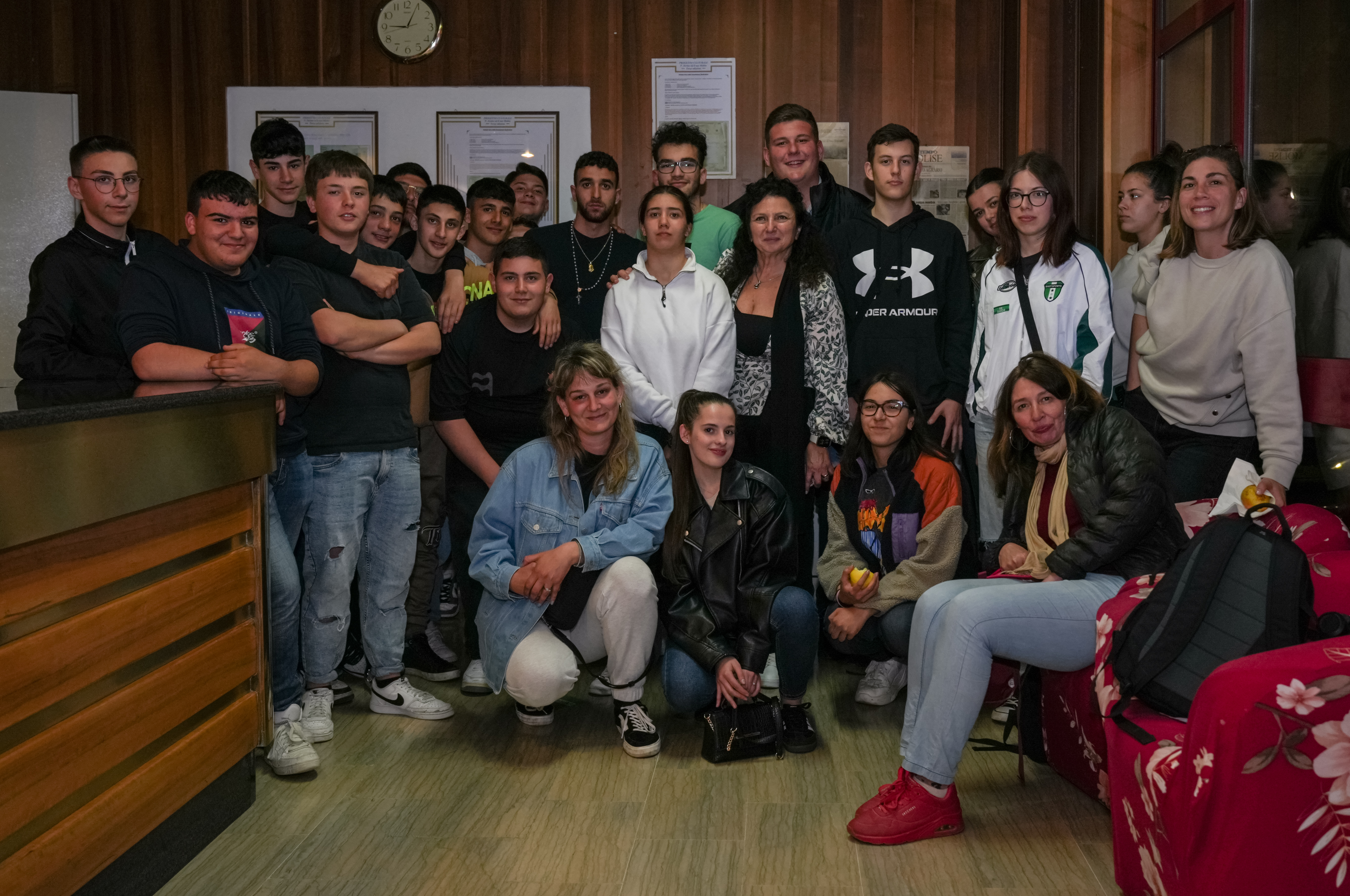
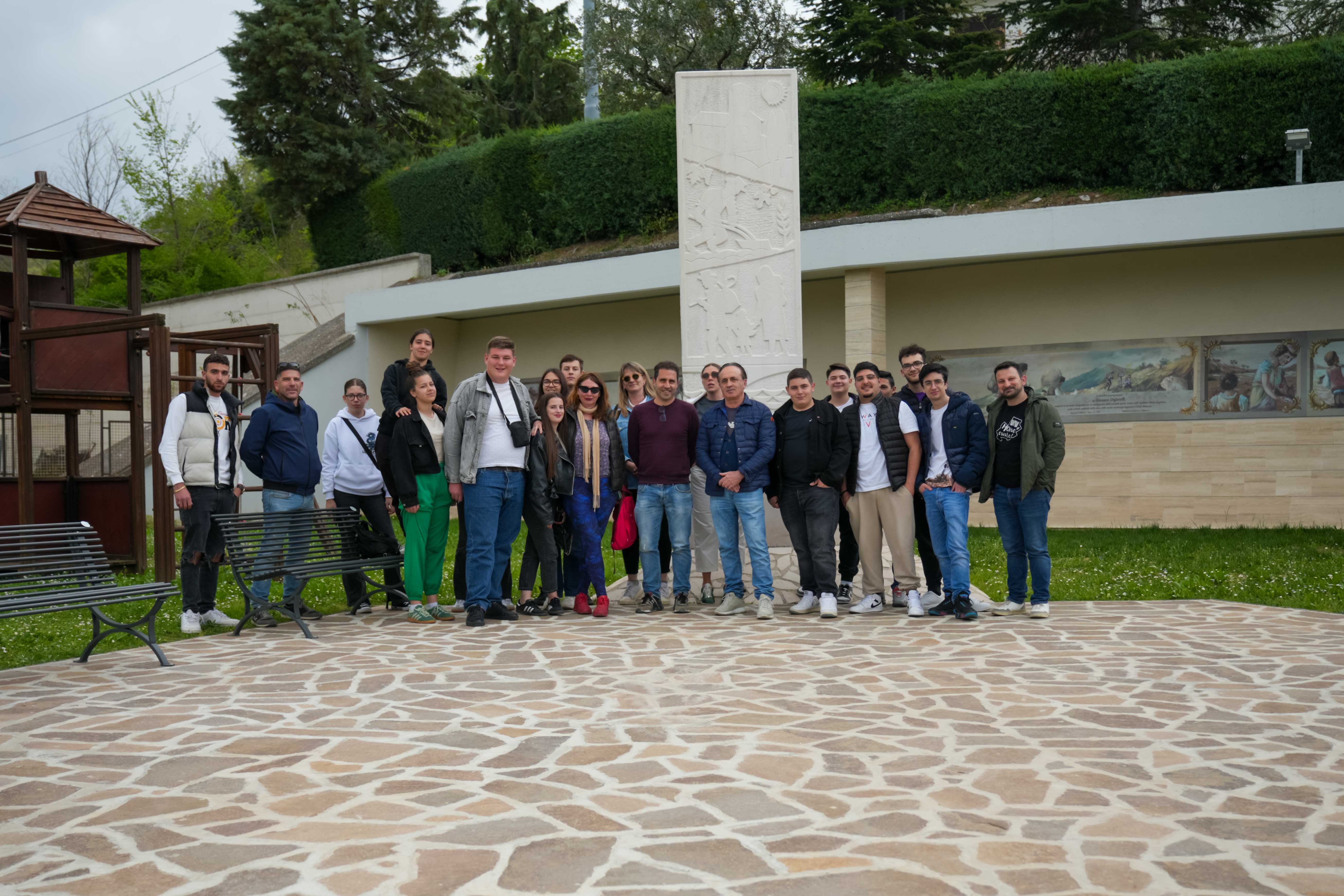
From April 8 to April 12, 2024, eight Croatian students from Braće Radić High School, from Kaštel Štafilić (Split), accompanied by their teacher Marijana Bjeliš and representatives of Sunce, were the protagonists of a training trip to the city of Larino, organized by the Municipality together with the Instituto tecnico agrario e geometra, from the province of Larino, and aimed at acquiring new knowledge and skills useful for practing sustainable Italian agricultural models within the framework of the VERA project.
These five days of training on Italian agriculture and biodiversity represented an important opportunity for the Croatian students who, in turn, in March 2024, hosted eight Italian guys from the San Pardo Agricultural Technical Institute on the occasion of the training activity organized in Croatia by Sunce and Permakulture Dalmacjia.
Once arrived in Larino after a long journey by ferry, the high school principal, together with some teachers and students, extended a warm welcome to the Croatian guests. After a comforting dinner altogether at the school canteen, the Croatian students enjoyed an exciting guided tour of the city center of Larino and then rested in a hostel, looking forward to the training days ahead.
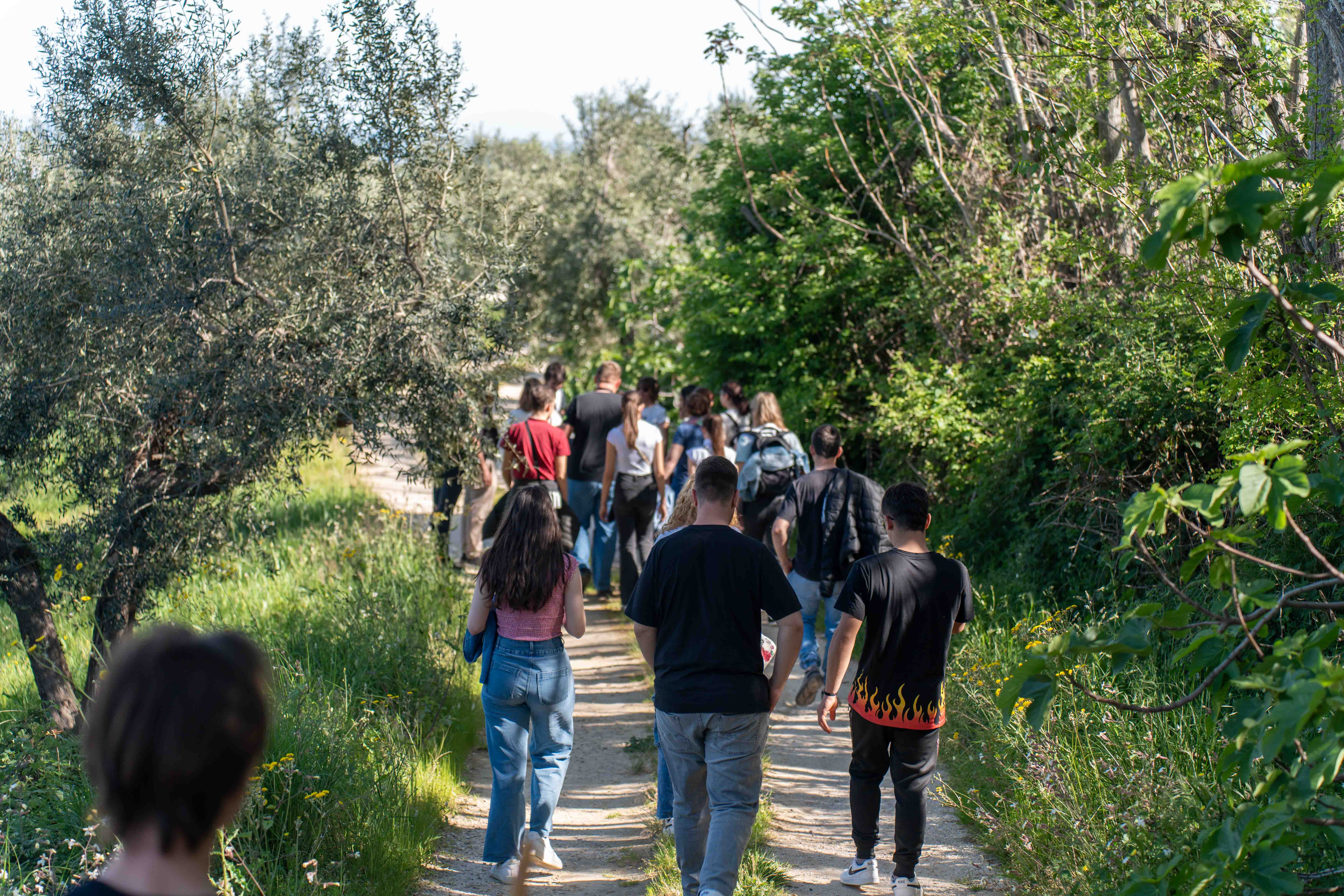
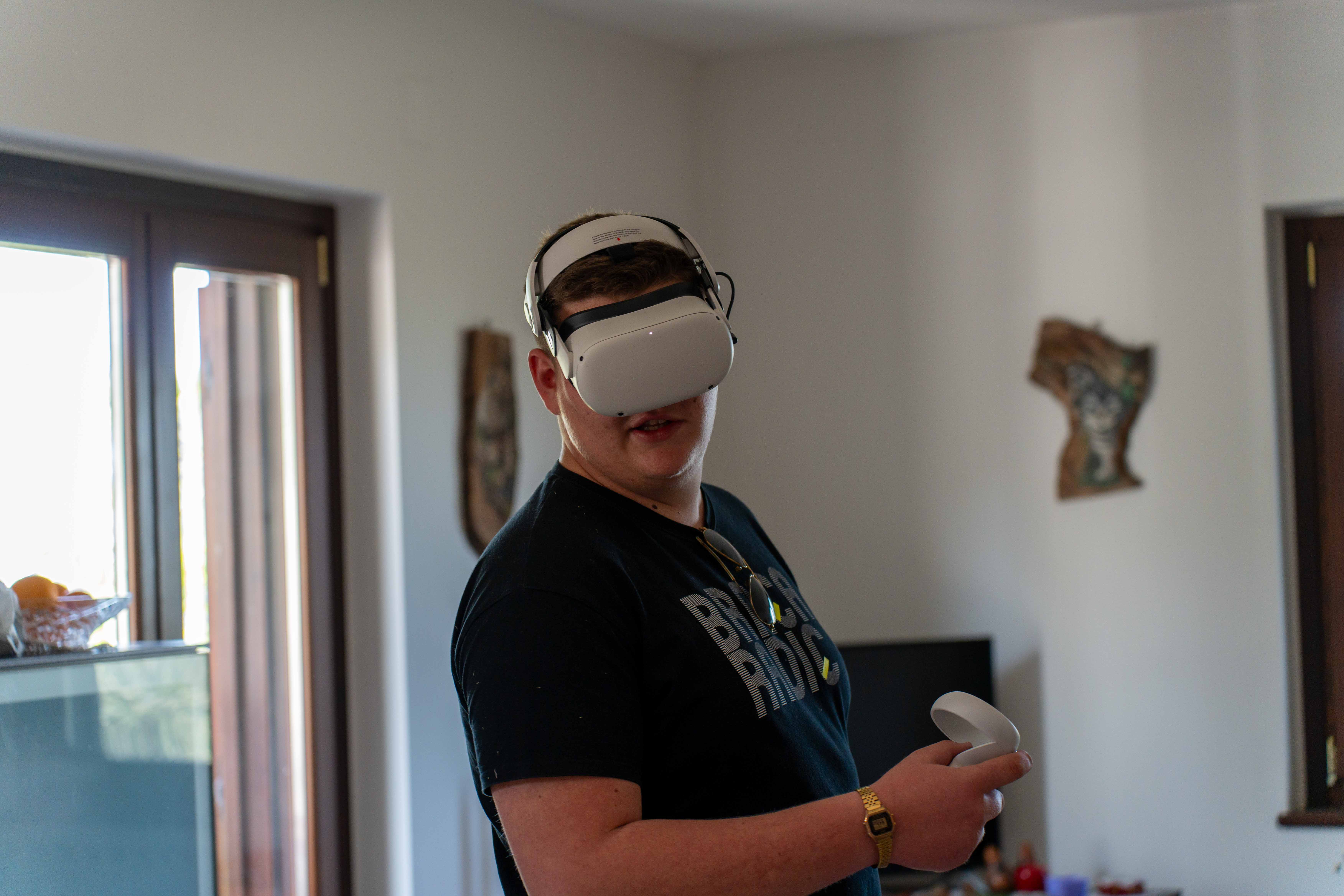
Activities officially started the morning after, with an experiential rural trekking between history, flavors, and nature. During the walking route from the high school to the Oro Frentano farm, with the young agronomist Angelo Pastorini, the Croatian students had the opportunity to lose themselves among the olive groves, while following the flight of the bees, listening to stories of the area, and using VR glasses.
The tasting of the local olive oil ice cream concluded the first morning of training.
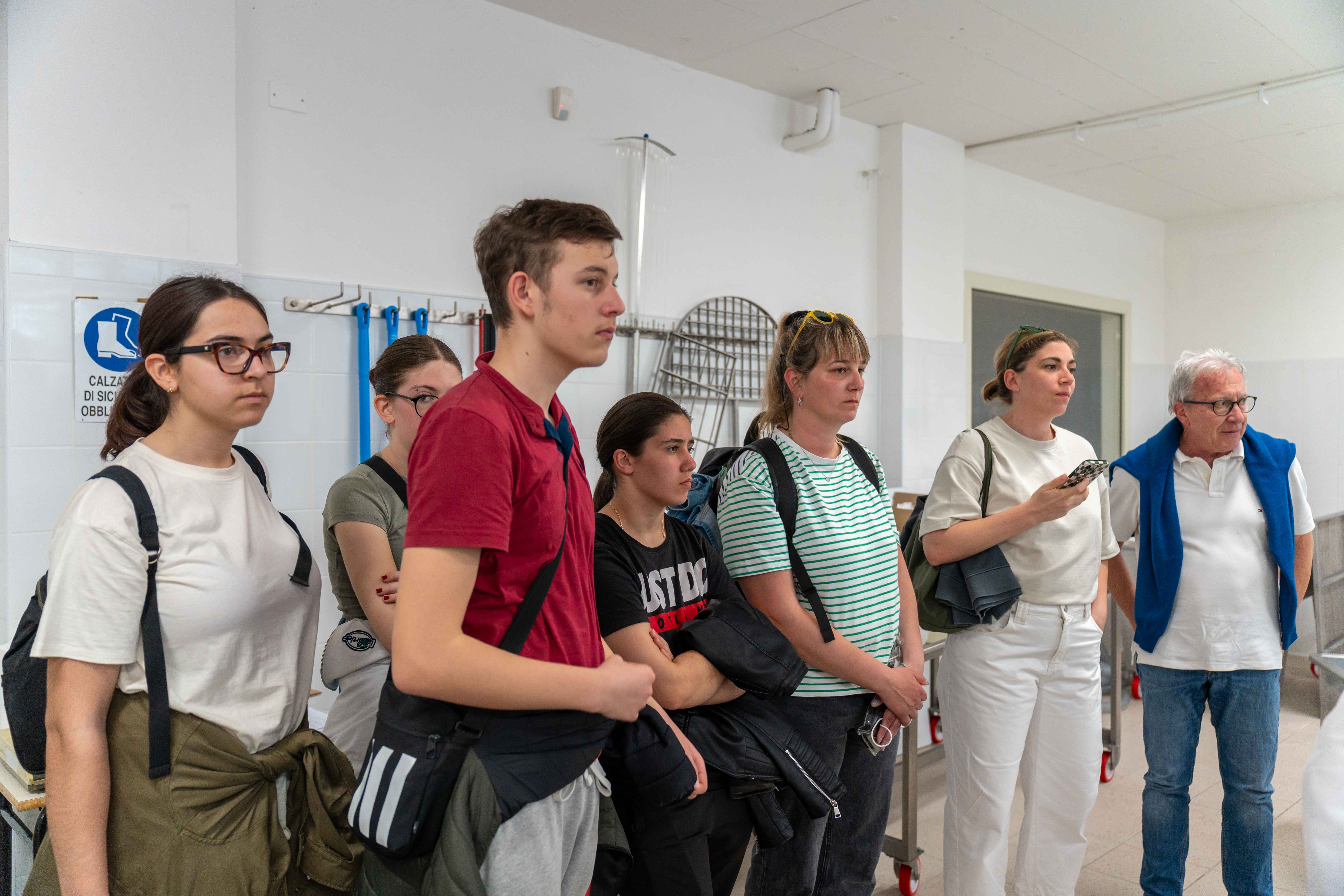
In the afternoon, students got involved in the production of stretched curd cheese, under the guidance of expert cheesemakers, who gave also a theoretical lesson on experimental dairy systems and equipments to evaluate milk quality and cheesemaking.
Students made and tasted their own cheese and butter!
The third day was dedicated to another theoretical lesson about the Molise region's native olive trees, followed by a practical activity of pruning exercise on the polyconic vase olive tree.
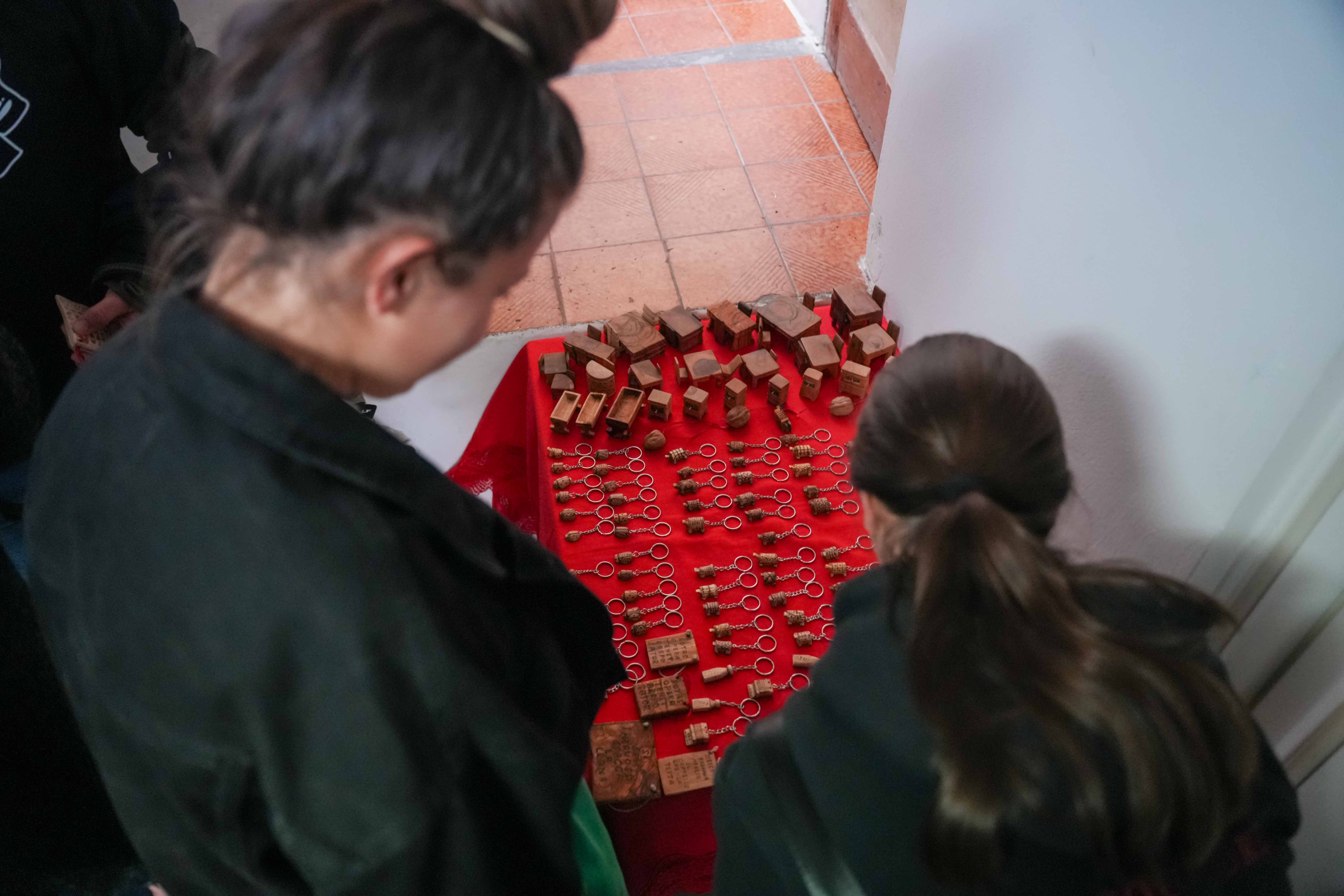
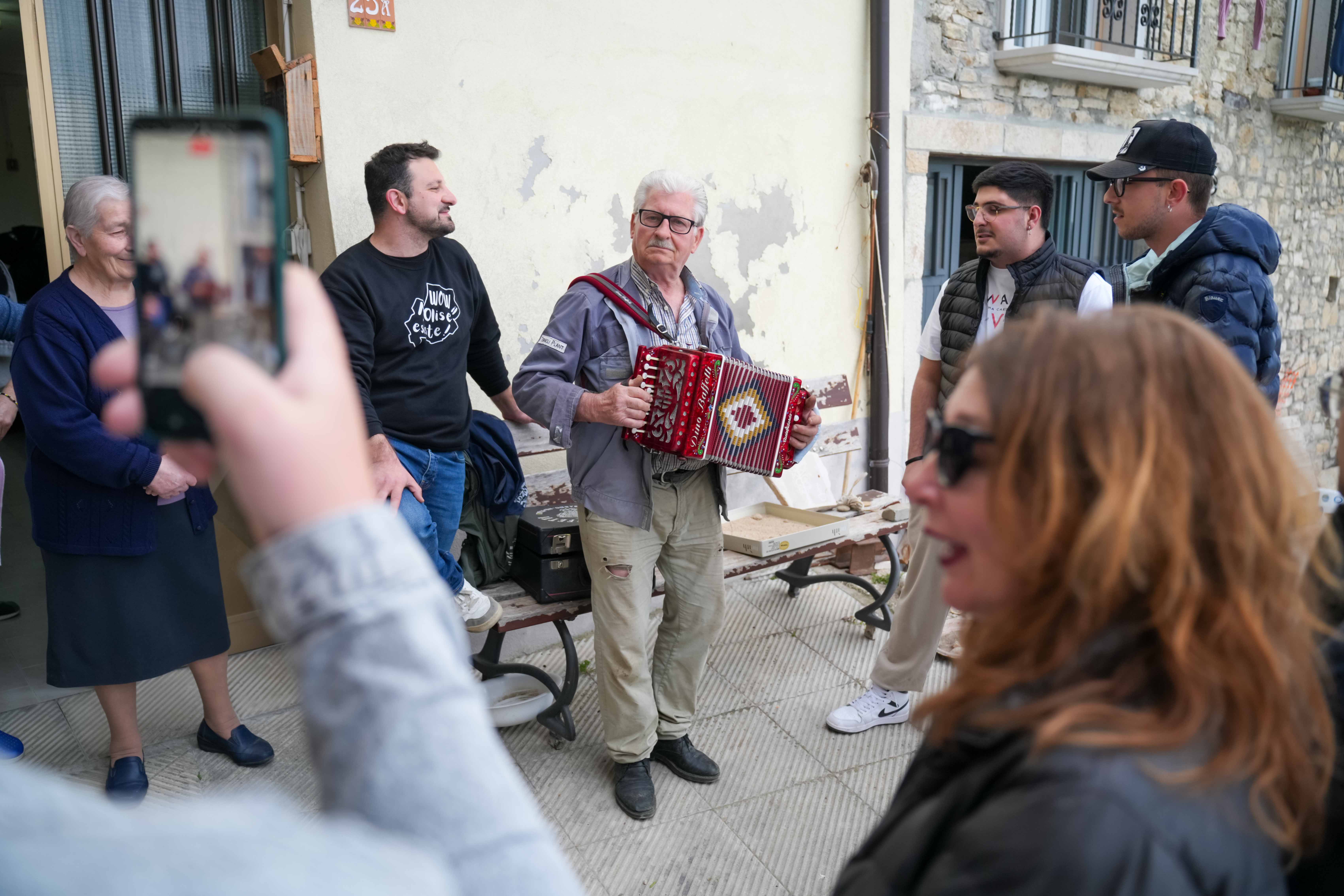
In the afternoon, a guided tour throughout the historical center of Krurč or Acquaviva Collecrocere allowed the Croatian students to learn more about the place where Croatian minorities settled from the XV century and where the ancient Croatian language is still preserved among local population. Students enjoyed a folkloric meeting with local elders, featuring traditional music and products from local artisans.
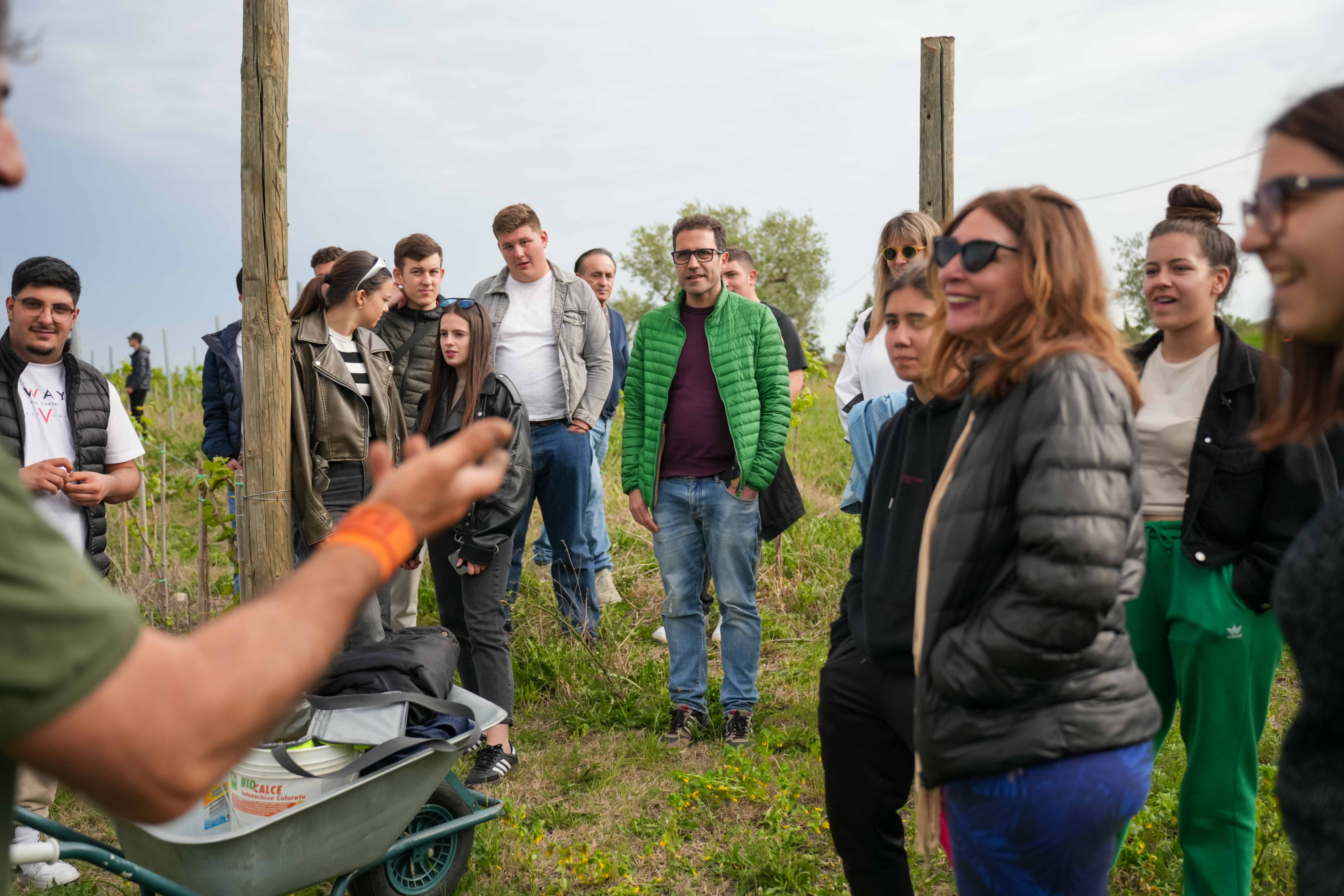
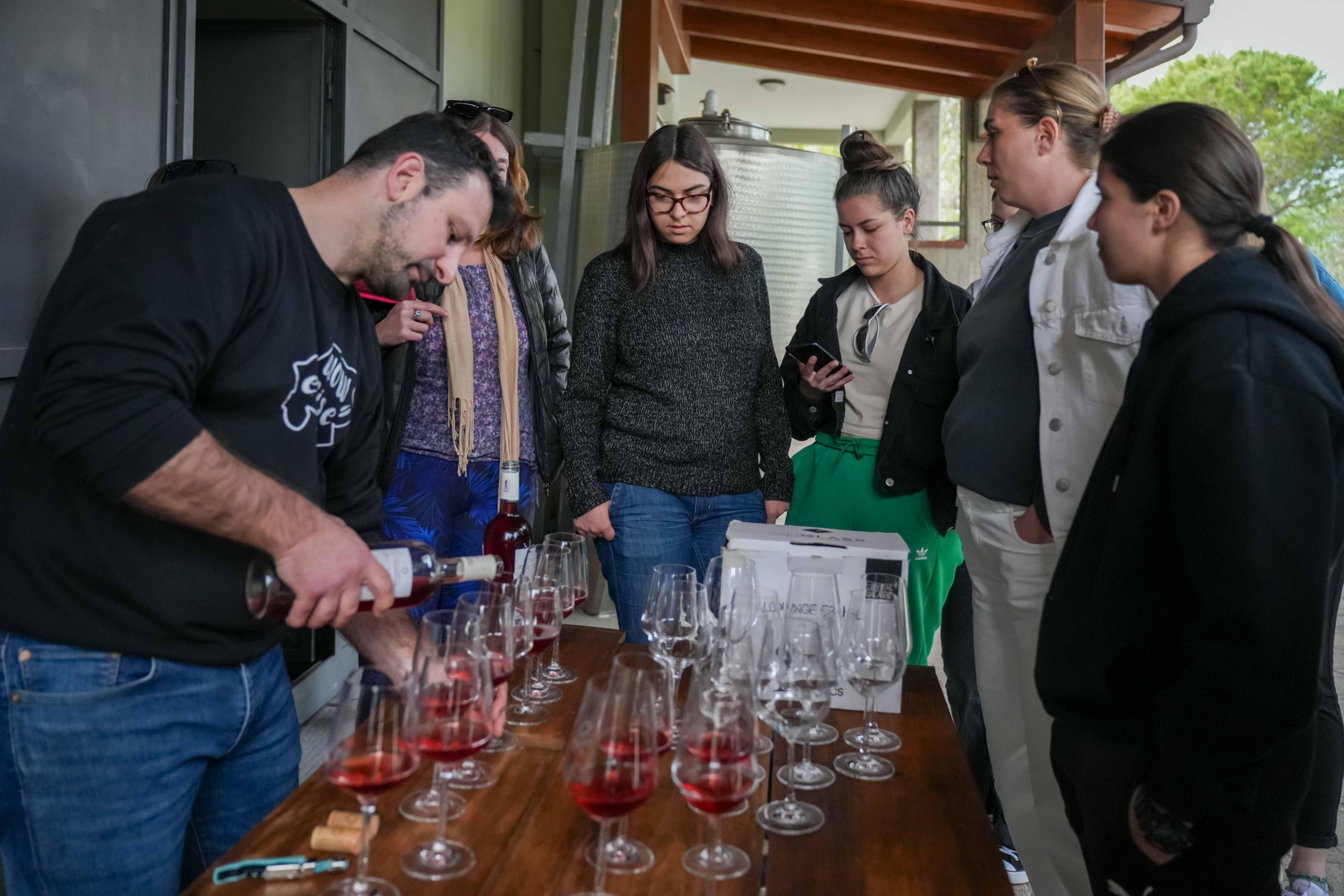
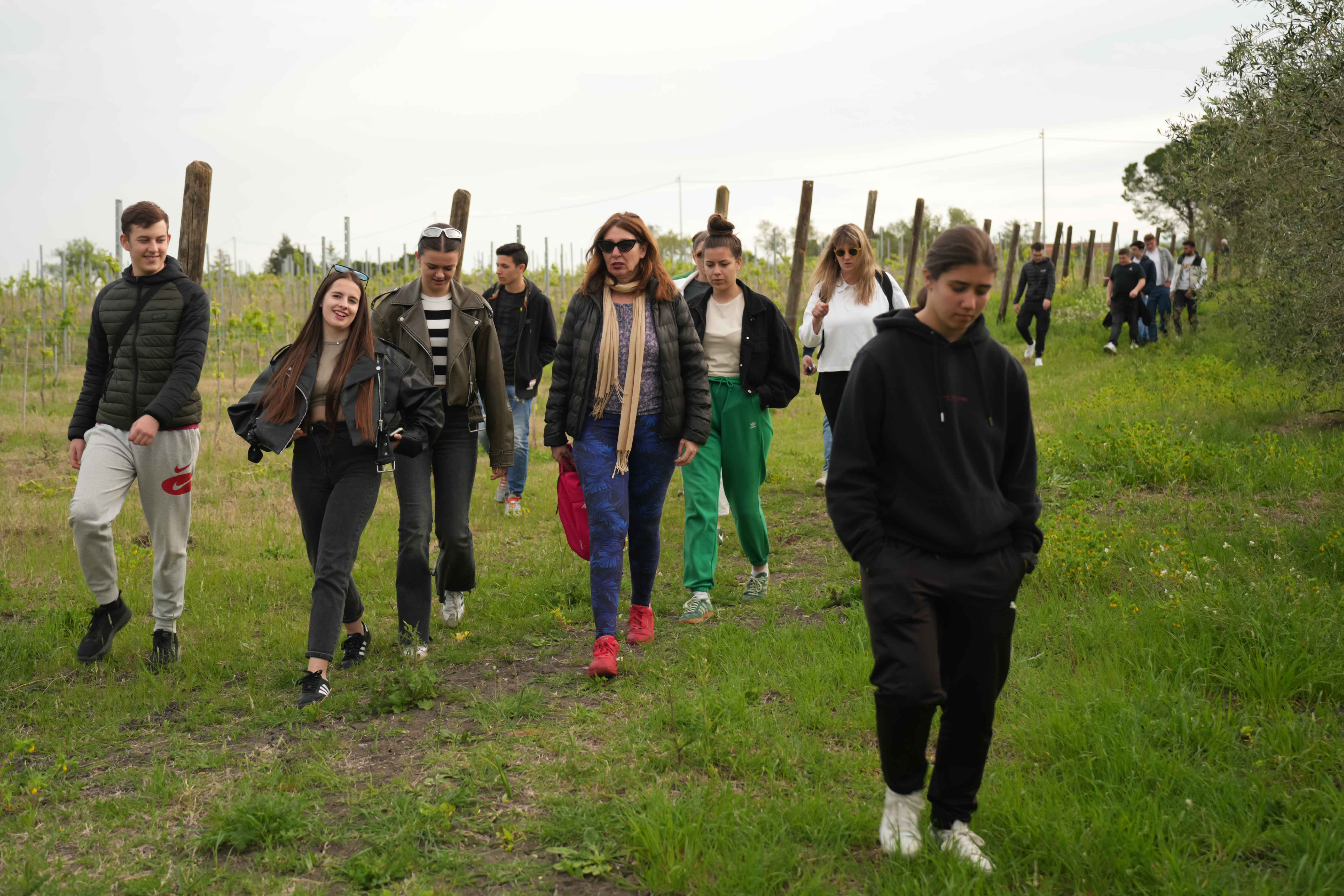
The third day ended with a visit to the Cianfagna farm, walking through the family vineyard and tasting their wine.
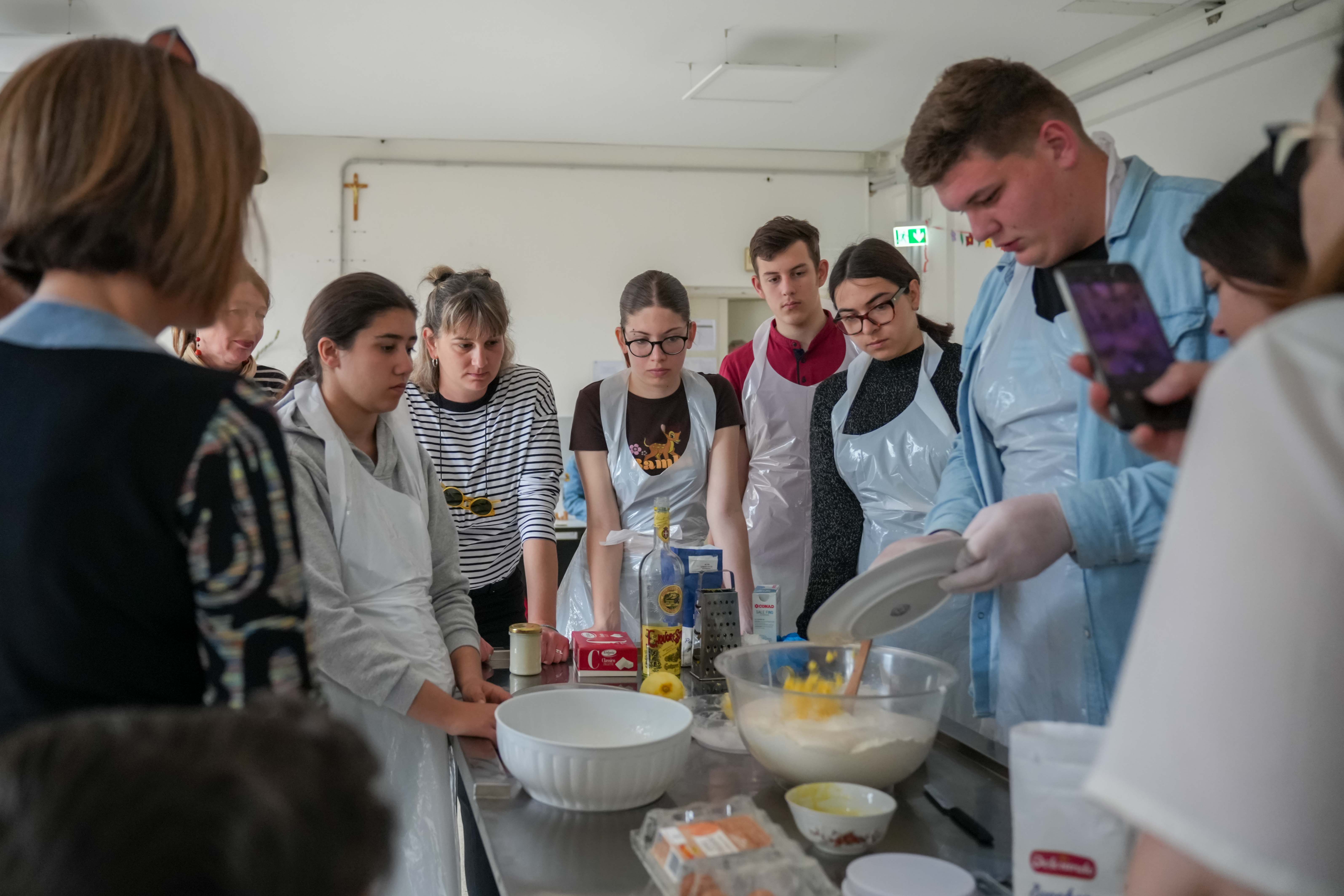
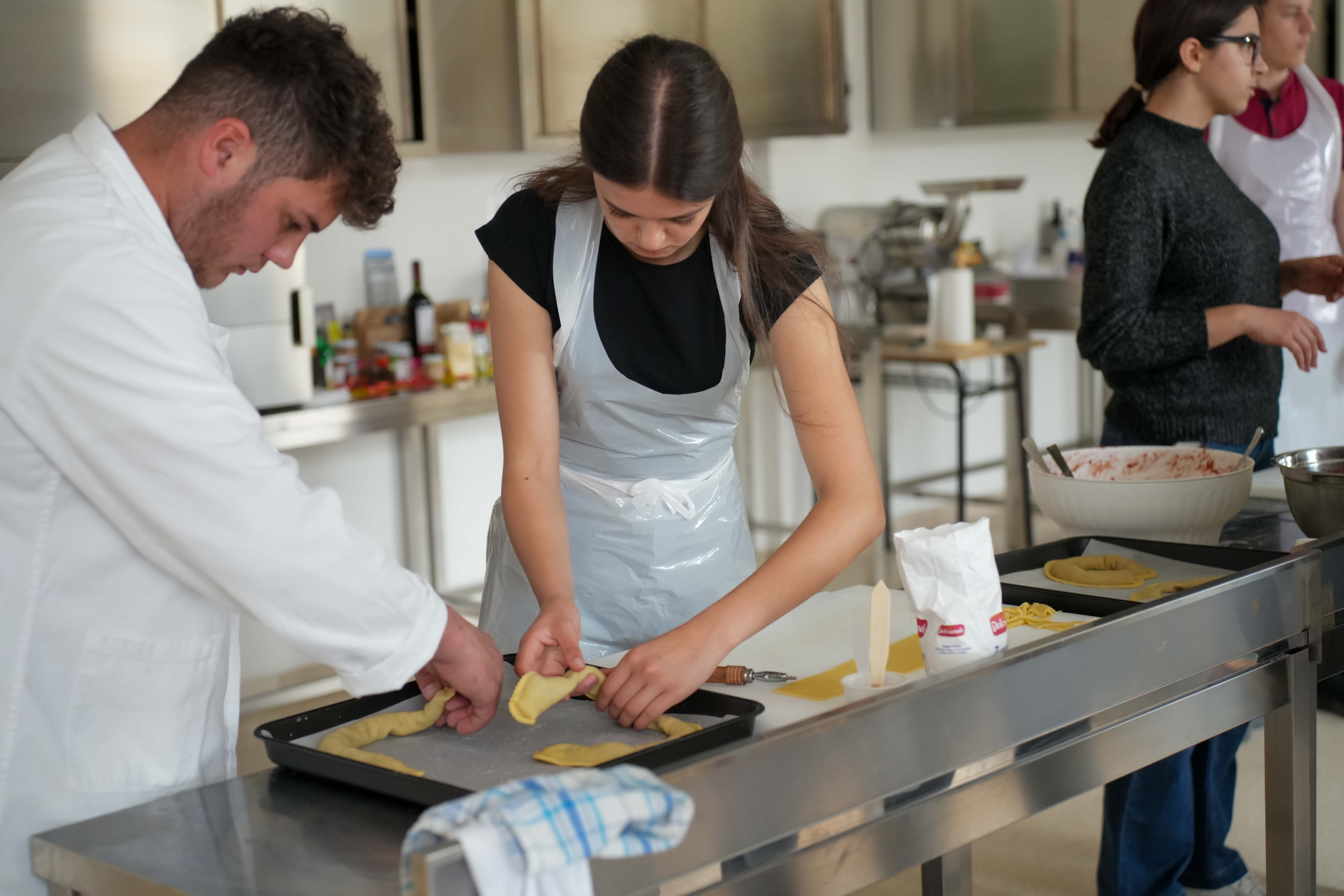
Croatian students and professor spent the fourth training day by taking part in a guided excercise for the production of a traditional dessert, typical of the Croatian Municipalities of Molise (Kolace from Acquaviva Collecrocere). The activity fell within the scope of the project "Traditional desserts: from raw materials to the development of recipes (PCTO)", the result of the collaboration between the hosting Italian high school and the "Grano Salis" Domestic Agri-Food (AID) of Lupara.
In the afternoon, the Croatian students had the opportunity to visit the historical center of the town of Larino where they observed the typical carnival floats and their technical structures. They also attempted to use clay as a base for papier-mâché works.
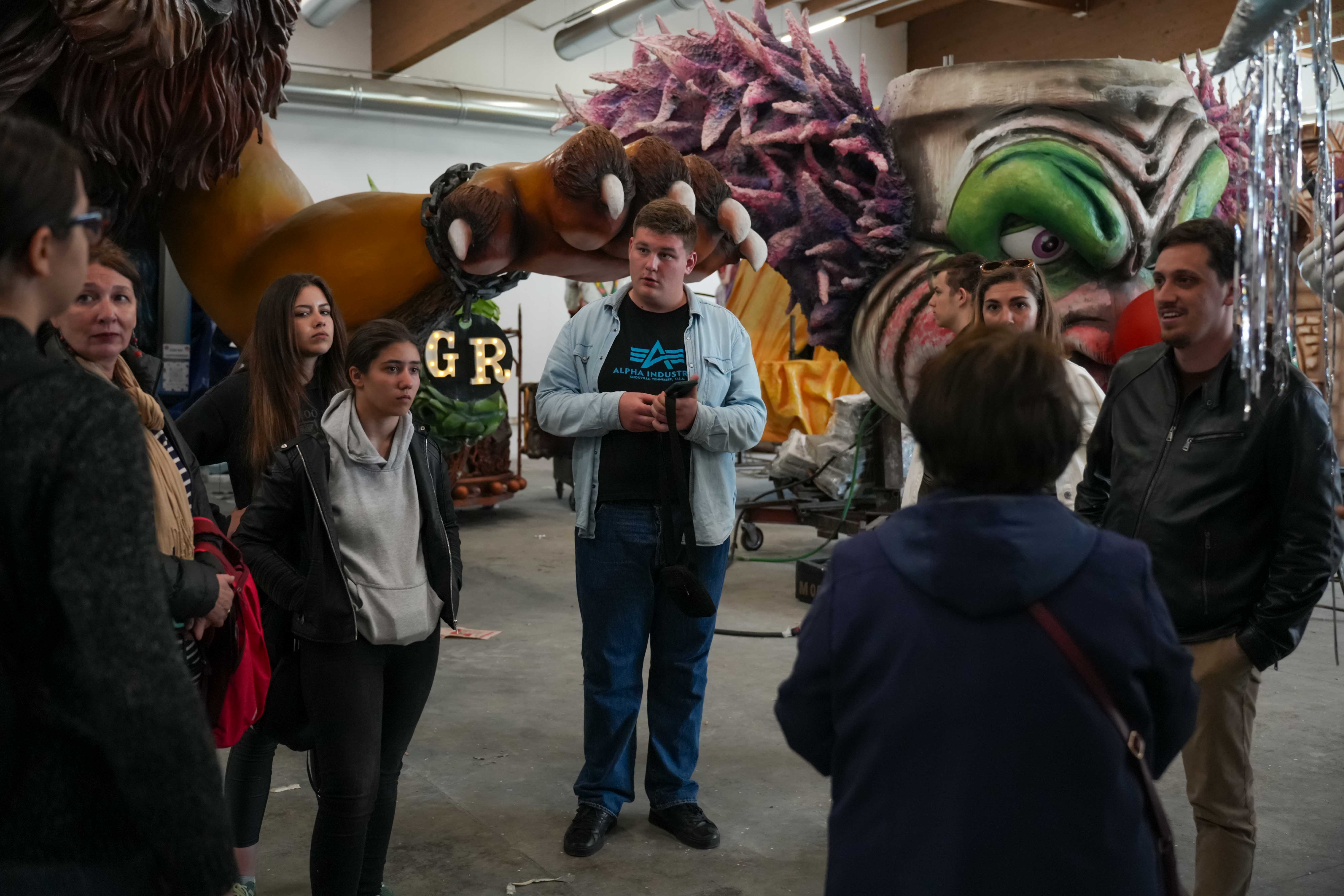
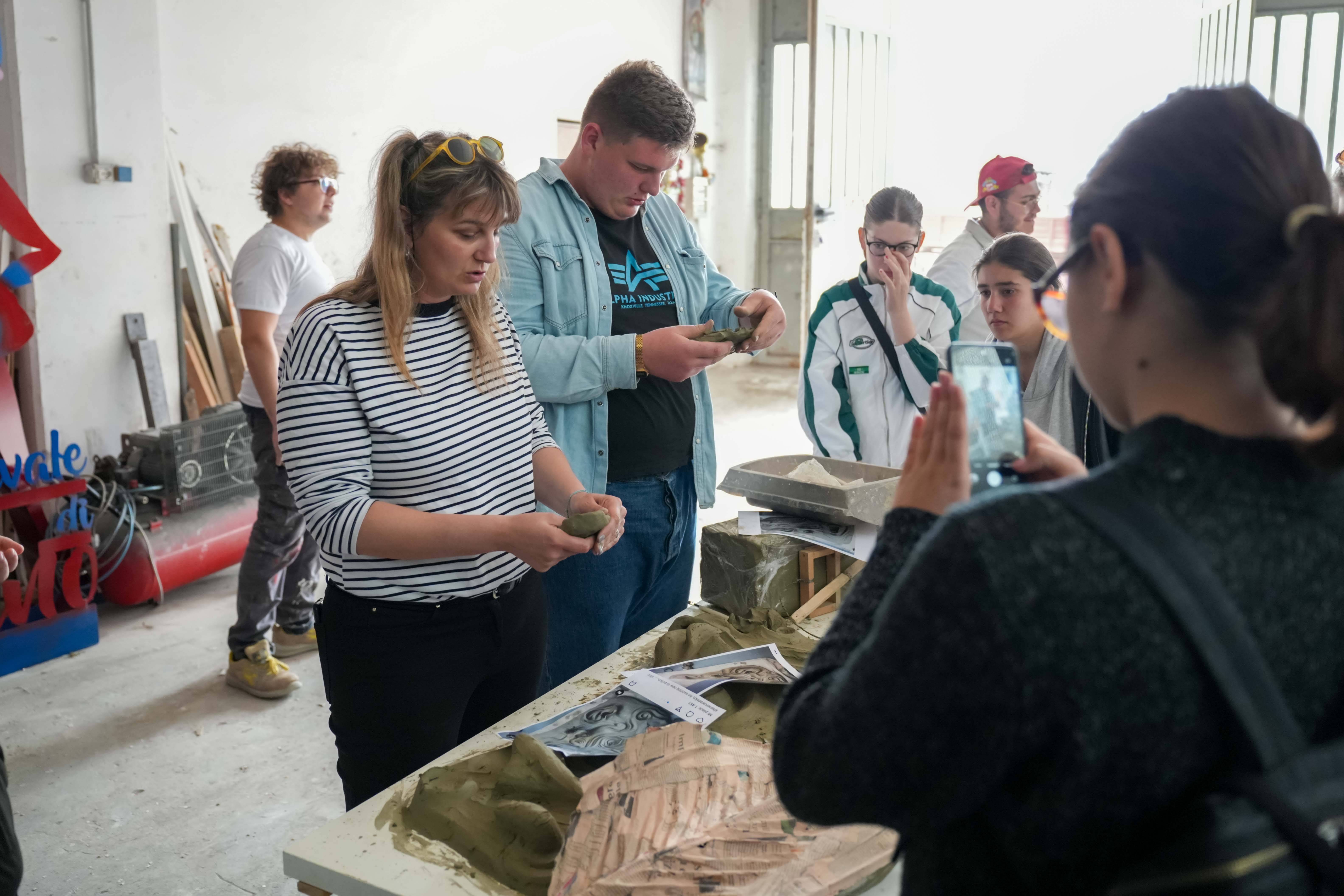
Lorenzo Di Maria, from the Municipality of Larino, guided the group towards the discovery of the city's historical center, also visiting the local museum, the duke's palace, and the cathedral (Duomo di Larino).
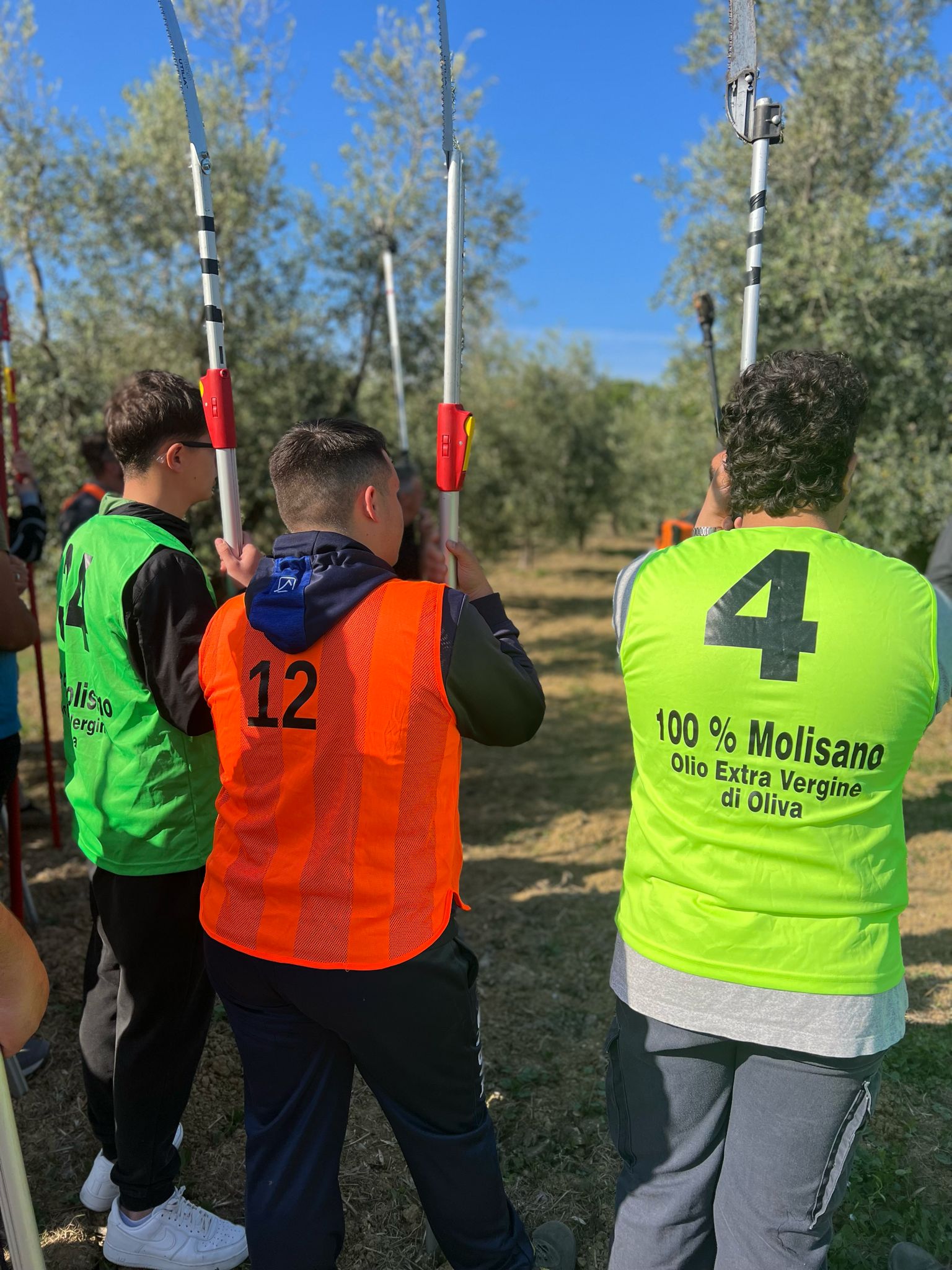
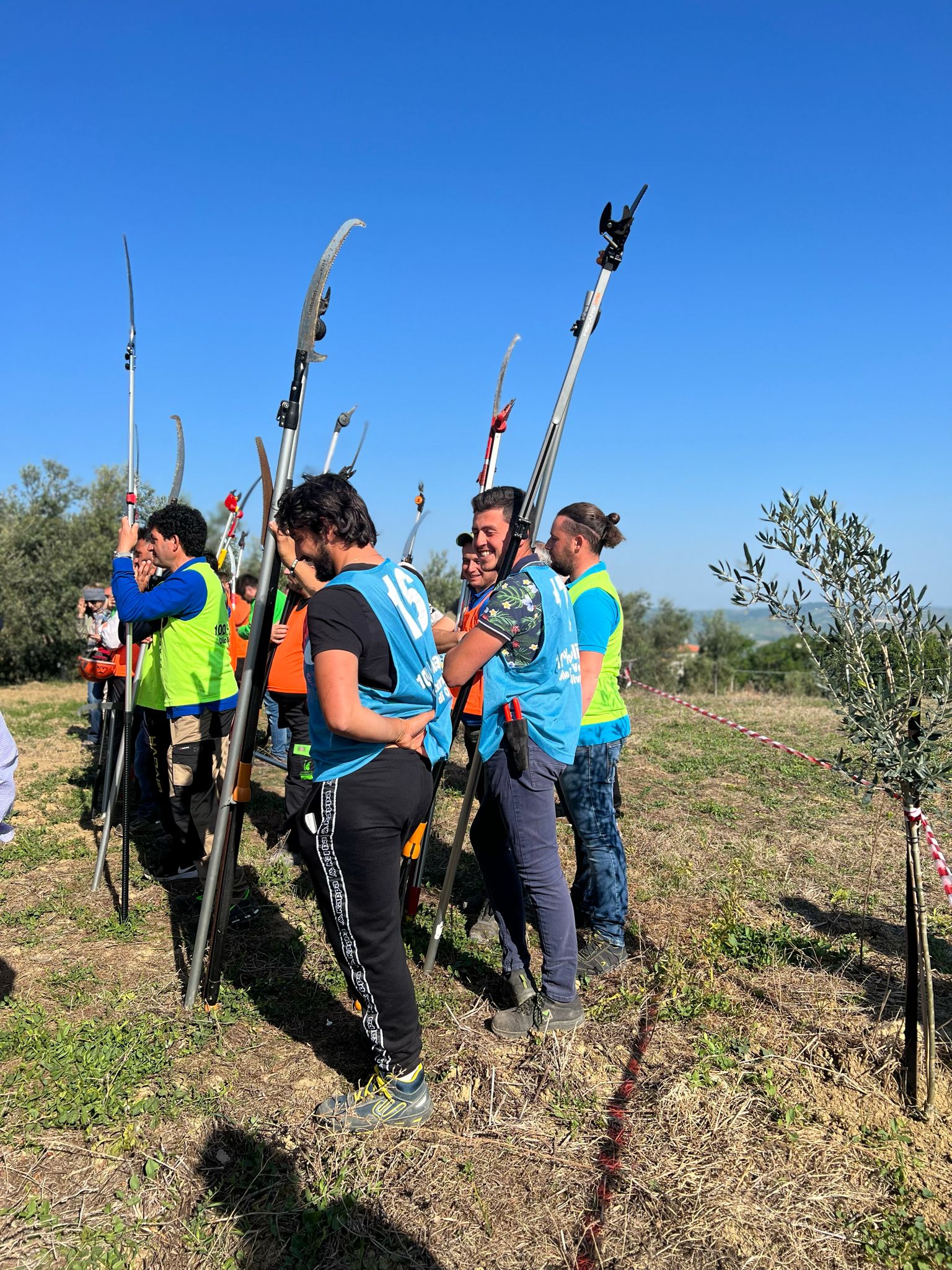
The final day of the school trip was very challening for the Croatian students! They watched the event "XVIII Molise regional championship for pruning olive trees grown in polyconic vases". That a polyconic vase is one of the most widespread shapes and is based on the distribution of the foliage on several equidistant conse of vegetation, inserted at the top of the trunk and inclined outwards by 30/45 degrees with respect to the axis.
The competition, in which students from the Italian hosting high school also participated, officially closed the last day of this amazing training trip in Italy.
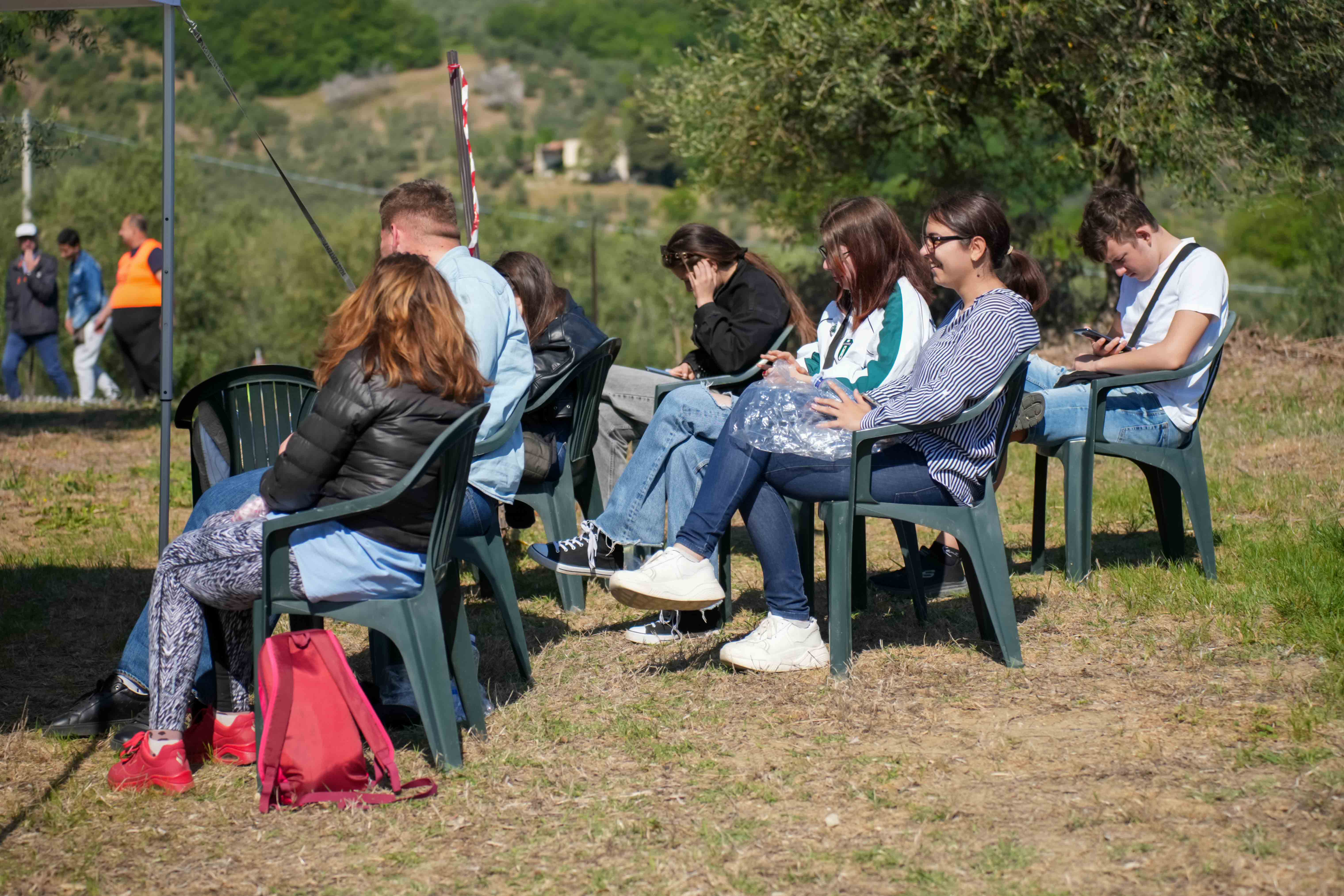
At the end of the event, the Croatian students, along with the professor and the representatives of Sunce, were taken to the station heading to Ancona to get home.
It was an exciting experience that led Croatian students to the discovery of various sustainable agricultural practices in Italy to be implemented also in Croatia. These activities have demonstrated that the younger generation is fully interested and actively involved in the protection of agricultural biodiversity.