
From Waves to Wonders: Blending Nature and Culture to Extend the Coastal Tourism Season
03/02/2026
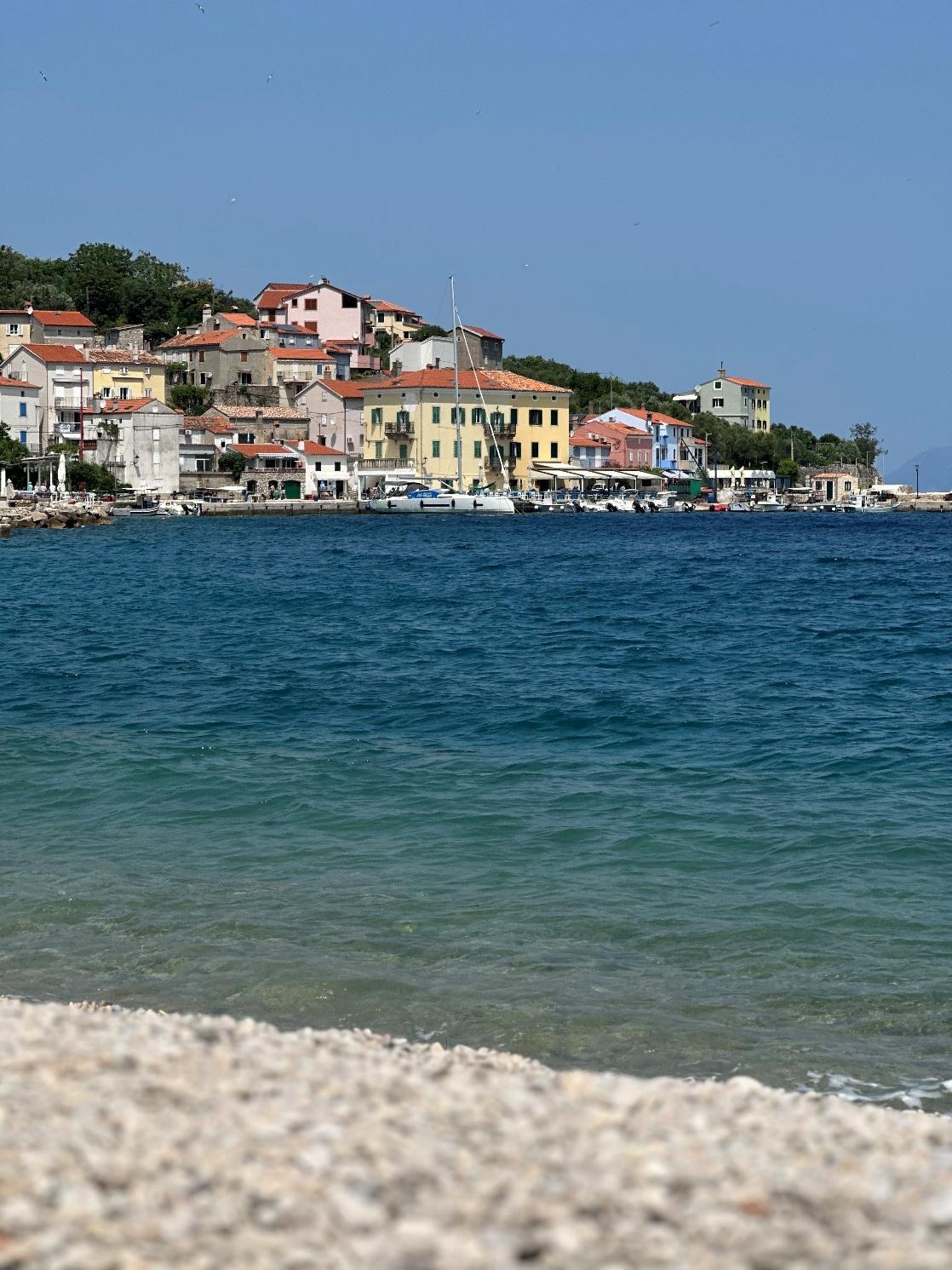
Along the Adriatic coast, from Italy to Croatia, communities are shaping a new vision for tourism through the VALUE Plus project. Local municipalities, cultural institutions, environmental groups, entrepreneurs, and citizens are working side by side, no longer as recipients of external plans but as co-authors of their own future. The actors involved are diverse: teachers, fishermen, artisans, youth volunteers, and mayors, but they share the conviction that tourism must be more than a fleeting summer phenomenon.
The transformation underway is about redefining what coastal destinations can be. Instead of depending only on the crowded beaches of July and August, districts are creating reasons for people to come in every season. In spring, wetlands and dunes in bloom offer birdwatching and nature walks. Autumn becomes a time for olive oil tastings, harvest festivals, and archaeological discoveries. Winter offers cultural festivals, guided tours, and the chance to experience heritage in a quieter atmosphere. Summer remains vibrant, but it is now part of a broader, balanced calendar that spreads opportunity throughout the year.
This shift is visible across five cultural districts, stretching on both shores of the Adriatic. In Italy, the Po Delta links Ravenna’s Roman mosaics with Comacchio’s canals, Cervia’s saltworks with Argenta’s countryside, and smaller towns such as Goro, Porto Viro, and Alfonsine with better-known landmarks. In Croatia, coastal towns are weaving their maritime traditions together with inland histories and landscapes, showing that borders do not limit culture or identity. These districts are not isolated municipalities but interconnected cultural landscapes, each one complex, diverse, and full of potential.
The work is unfolding now, step by step, with pilot projects, festivals, and participatory workshops. At the heart of it lies a process of mapping, but in an expanded sense. What is being charted is not just geography but identity: archaeological parks, wetlands, salt pans, craft workshops, small museums, culinary traditions, and even stories told across generations. By collecting and organising this knowledge, districts can see themselves as living systems rather than fragmented territories. Interactive digital platforms make these maps dynamic, showing how attractions connect, where services are missing, and which themes, such as salt, mosaics, or migratory birds, can inspire new itineraries.
The motivation behind this effort is clear. A model of tourism dependent on two summer months is fragile and unsustainable. It generates short-term income but creates pressure on ecosystems, infrastructure, and local life. For the rest of the year, the absence of visitors leaves communities vulnerable, young people without opportunities, and cultural and natural assets underused. By extending the season and diversifying experiences, VALUE Plus brings stability: more even flows of visitors, stronger local services, new forms of employment, and a renewed pride in heritage. The benefits are not only economic. Residents rediscover their own traditions, landscapes, and stories, seeing them valued in new ways.
The method chosen to reach these goals combines knowledge, participation, and innovation. Mapping and research provide the knowledge base, making visible resources that were once hidden or disconnected. Participation ensures that strategies emerge from within, with citizens, associations, and institutions defining priorities together. Innovation introduces digital tools: shared booking platforms that give visibility to small operators, mobile apps that connect trails across municipalities, and augmented reality tools that bring ruins and mosaics back to life. These instruments are not substitutes for authenticity, but amplifiers that help reveal it to a wider world.
Education and youth engagement add another essential layer. In many districts, schools and cultural institutions collaborate to bring children and teenagers closer to their heritage. Workshops teach guiding, digital storytelling, and conservation skills. Volunteering opportunities during festivals or environmental projects allow young people to take an active role in shaping tourism. These experiences help keep younger generations rooted in their communities, offering pathways that combine identity with opportunity. In regions where seasonal work often drives young people away, this connection to heritage becomes a resource for the future.
Underlying all of this is governance. The scattered initiatives (trails, events, festivals, digital platforms) require structures that make them coherent and sustainable. VALUE Plus is investing in new forms of collaboration that allow municipalities, cultural associations, environmental agencies, and economic actors to coordinate their actions. These governance models give districts the capacity to speak with one voice, to align with regional and European strategies, and to secure long-term support. They turn temporary projects into lasting systems of cooperation.
The cross-border dimension makes this approach even stronger. Italy and Croatia share the same sea and the same challenges: environmental fragility, seasonal dependence, depopulation of inland areas, and the need for more balanced economies. By cooperating across borders, districts can exchange methods, develop joint tools, and create itineraries that transcend national boundaries. A visitor might follow a birdwatching route that begins in the Po Delta and continues into Croatian wetlands, or a cultural trail that links Roman heritage on both coasts. Culinary journeys can showcase the shared yet distinct traditions of olive oil, wine, and seafood. These connections enrich the visitor experience while strengthening cultural ties across the Adriatic.
The journey is still unfolding, but its direction is unmistakable. Districts are moving away from a fragile dependence on short-term mass tourism and toward a model where every season has value. They are proving that economic vitality, cultural pride, and environmental stewardship are not competing interests but complementary ones. The story is built daily, through the work of artisans who preserve traditions, guides who share natural wonders, volunteers who animate festivals, and local leaders who champion cooperation.
From waves to wonders, the Adriatic coast is revealing itself anew. No longer defined only by crowded summer beaches, it is becoming a destination where culture and nature, history and innovation, people and places are woven together throughout the year. For residents, it means stability and pride. For visitors, it means experiences that are authentic, diverse, and unforgettable. For the districts themselves, it marks the beginning of a sustainable future, carried forward not by outside forces but by the communities who call this coastline home.