

Air Quality Sentinel: advanced monitoring and real-time response
30/08/2024
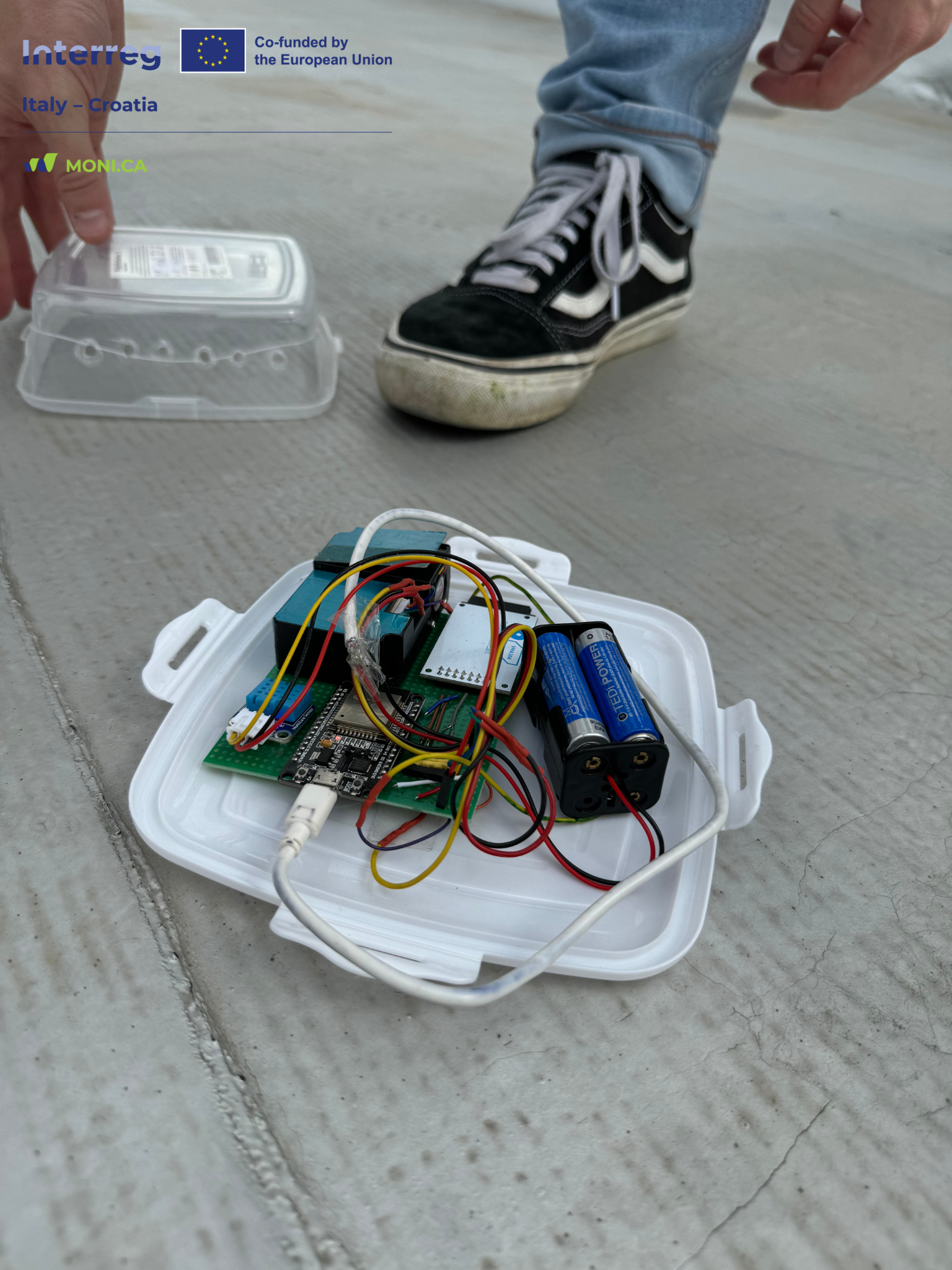
Through MONI.CA it was possible to harness cutting-edge sensor technology and automated drone operations for continuous air quality monitoring and response. This approach enables real-time data acquisition, visualisation, and analysis to effectively mitigate air pollution.
How does it work?
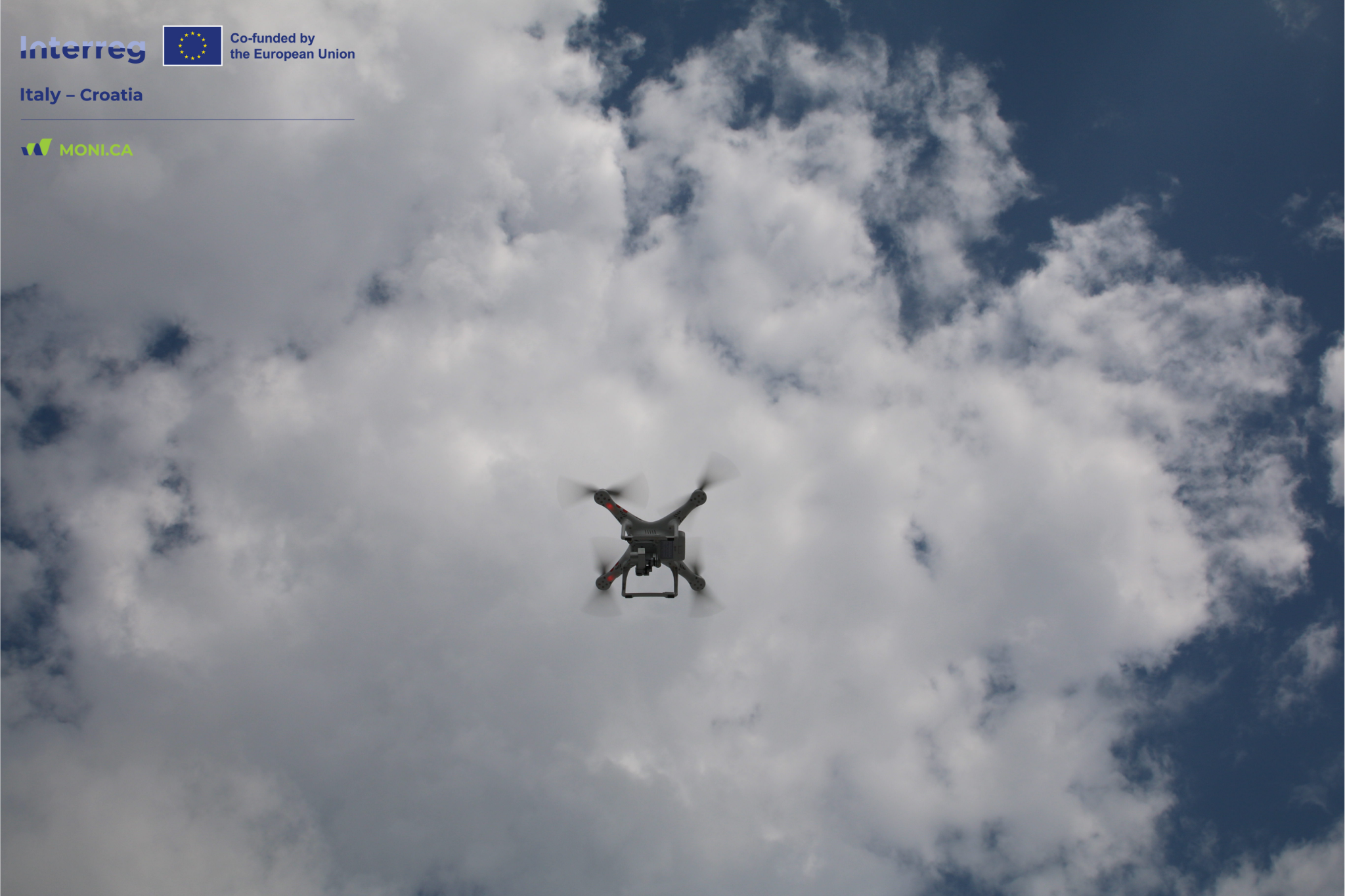
Equipped with advanced algorithms, the MONI.CA system continuously monitors air quality using sensors mounted on a glider and drones. These sensors measure various pollutants and environmental parameters, ensuring a constant stream of data. When pollution levels exceed predefined thresholds, the system triggers a launch code to a nearby drone. This drone swiftly takes to the air, conducting a detailed 3D mapping of pollutant concentrations, which allows for precise data collection and thorough assessment of the affected areas.
How do we access data collected?
The data collected by sensors and drones is transmitted to centralised data loggers, where it undergoes real-time analysis using sophisticated analytics and machine learning. This processed data is then visualised on an online platform, which provides operators with immediate access to real-time dashboards. These dashboards display air quality metrics, trends, and alerts, enabling quick understanding and response to any air quality issues.
What can a system like this promote in the long-term?
The continuous data collection plays a critical role in long-term strategic planning. By analysing the data over time, it is possible to identify pollution sources, improve urban planning, and develop effective strategies for air pollution management. In doing so, it also contributes to improving public health.
What is the added value of developing such a technology from a cross-border perspective?
The partners collaboration has been crucial in tailoring the monitoring algorithms to the specific needs of both Italy and Croatia. By identifying sensors suited to local conditions and actively promoting the project’s findings through social media campaigns and presentations at events like the Venice Boat Show, the project also managed to leverage general public engagement for raising awareness and support for further air quality initiatives.