

Night of Fortresses in Šibenik; Heritage Open to All
21/05/2026
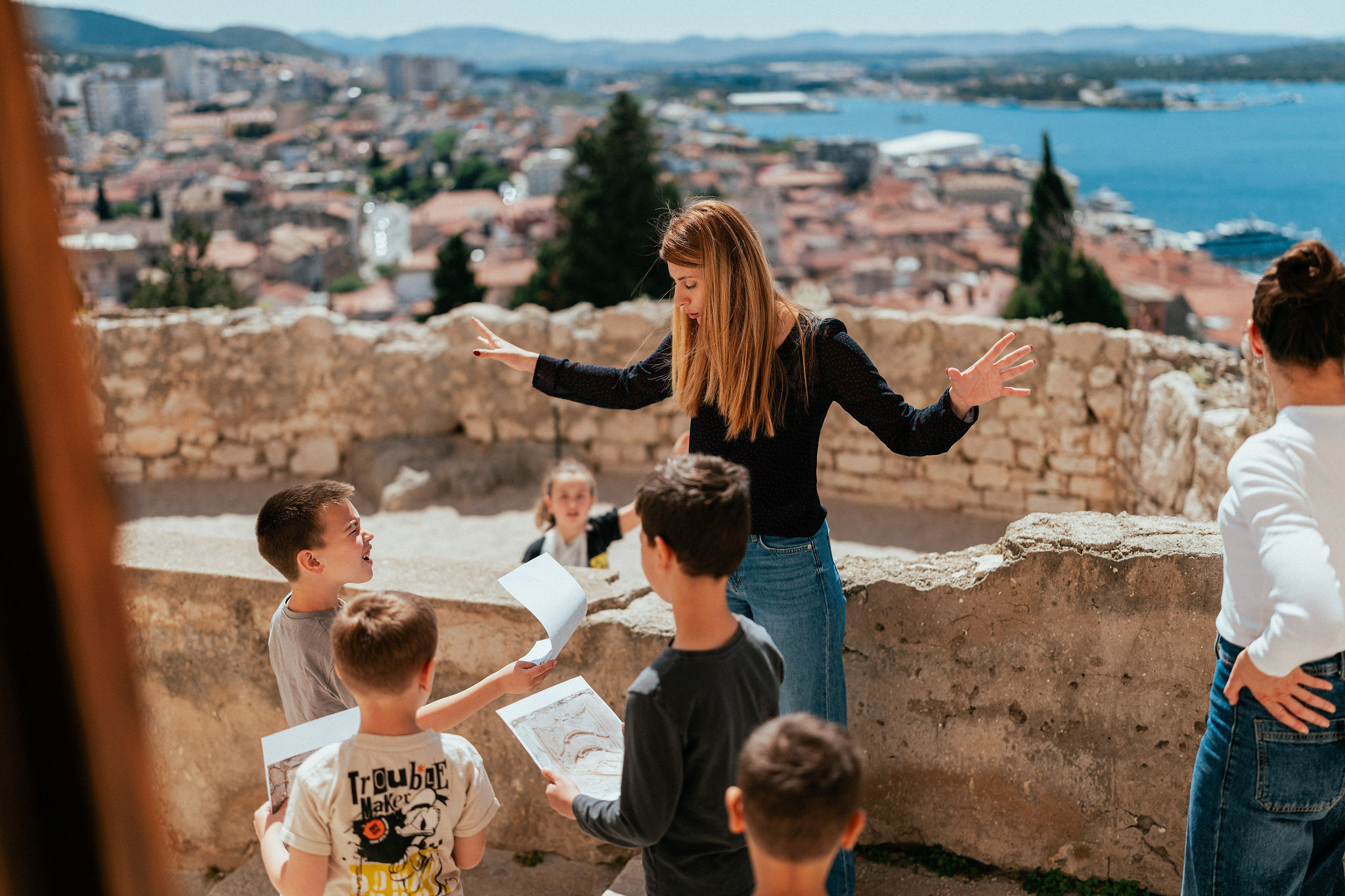
The fifth edition of the international event Night of Fortresses Goes Green was held on 8 and 9 May 2026 at 72 locations in 11 countries, featuring a total of 230 programmes. Over two days, fortresses, castles, museums, old towns and other historic sites across Europe became places of meeting, learning, exchange of experience and new cooperation.
This year’s event took place in Croatia, Slovenia, Montenegro, Serbia, Bosnia and Herzegovina, Italy, Czech Republic, Ukraine, Romania, Lithuania and Albania. Thousands of visitors took part in a wide range of programmes for all age groups, including walks, exhibitions, concerts, film screenings, expert-guided tours, educational workshops, children’s activities and free visits to many sites.
The initiator and main coordinator of the event at European level is the Public Cultural Institution Fortress of Culture Šibenik, which has been developing Night of Fortresses since 2022 in cooperation with numerous organisations and heritage sites across Europe. This year’s edition once again showed that fortified heritage is not only a space for preserving the past, but also a space for cooperation, education, community involvement and sustainable development.
An additional cross-border dimension was given to the event through the project FORTIC – From remains Of the war to the aRchiTecture of peace in the cross-border area of Italy-Croatia, implemented within the Interreg Italy-Croatia 2021–2027 Programme. The project brings together partners from Croatia and Italy, with the City of Pula as the lead partner, together with the Public Cultural Institution Fortress of Culture Šibenik, the Municipality of Cervia, the Municipality of Vieste and the City of Korčula, as well as associated partners, the Juraj Dobrila University of Pula and Ca’ Foscari University of Venice.
Through FORTIC, Night of Fortresses further expanded within the Croatian-Italian cross-border area and gained an additional educational dimension. In Šibenik, this was reflected not only through the public programme of Night of Fortresses, but also through the international FORTIC Summer School, held at St. John’s Fortress Campus from 5 to 9 May 2026. The programme brought together students and professors from Croatia and Italy, who worked on topics related to sustainable tourism, cultural heritage management, inclusivity and the reuse of fortifications. Their group work, comparing the Šibenik fortresses with fortifications in Istria and/or Italy, was presented at Barone Fortress as part of the Night of Fortresses programme. In this way, the event connected public participation, academic exchange and cross-border cooperation in a concrete local context.
Through FORTIC, Night of Fortresses also further expanded its presence in the Croatian-Italian cross-border area. This year, Italy participated in the event with 10 sites, strengthening the presence of Night of Fortresses on the Italian side of the Adriatic. By including new locations, joint promotion and the exchange of experience among partners, the event gained a broader context: former defence spaces are now becoming places of culture, education, sustainable tourism and social connection.
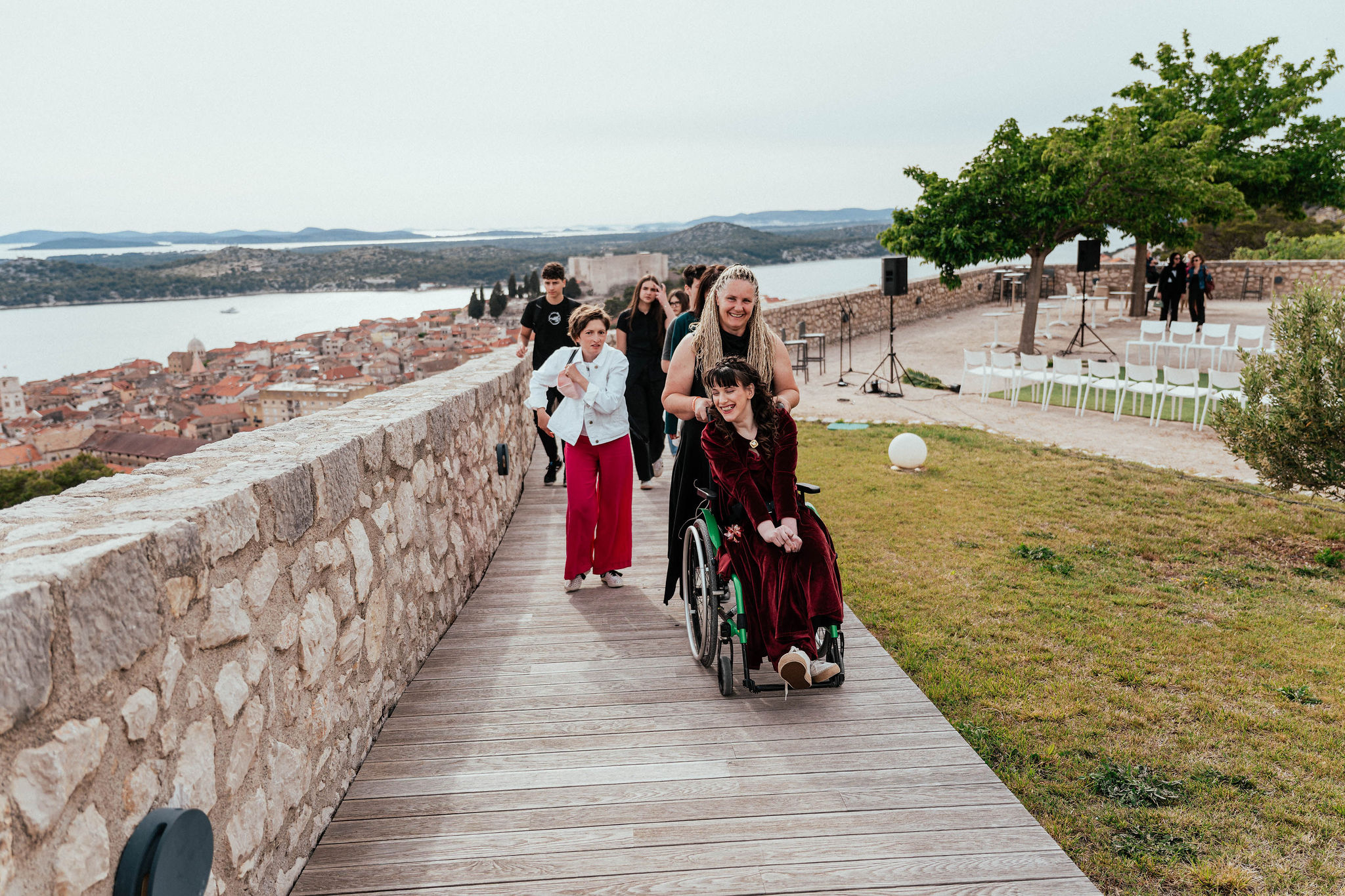
In Šibenik, this year’s Night of Fortresses placed a special focus on heritage accessibility and inclusion. The programme “Fortresses Break Down Walls” connected all four Šibenik fortresses: St. John’s Fortress, St. Michael’s Fortress, Barone Fortress and St. Nicholas’ Fortress. The programme was implemented by the Public Cultural Institution Fortress of Culture Šibenik and the Šibenik-Knin County Public Institution for Nature, in cooperation with associations and partners.
The aim of the programme was to open a discussion on how historic spaces, which are often physically and communicatively demanding, can be made more accessible to persons with disabilities and other vulnerable groups. Fortresses were once built as closed and difficult-to-access spaces, while today the goal is to open them to everyone.
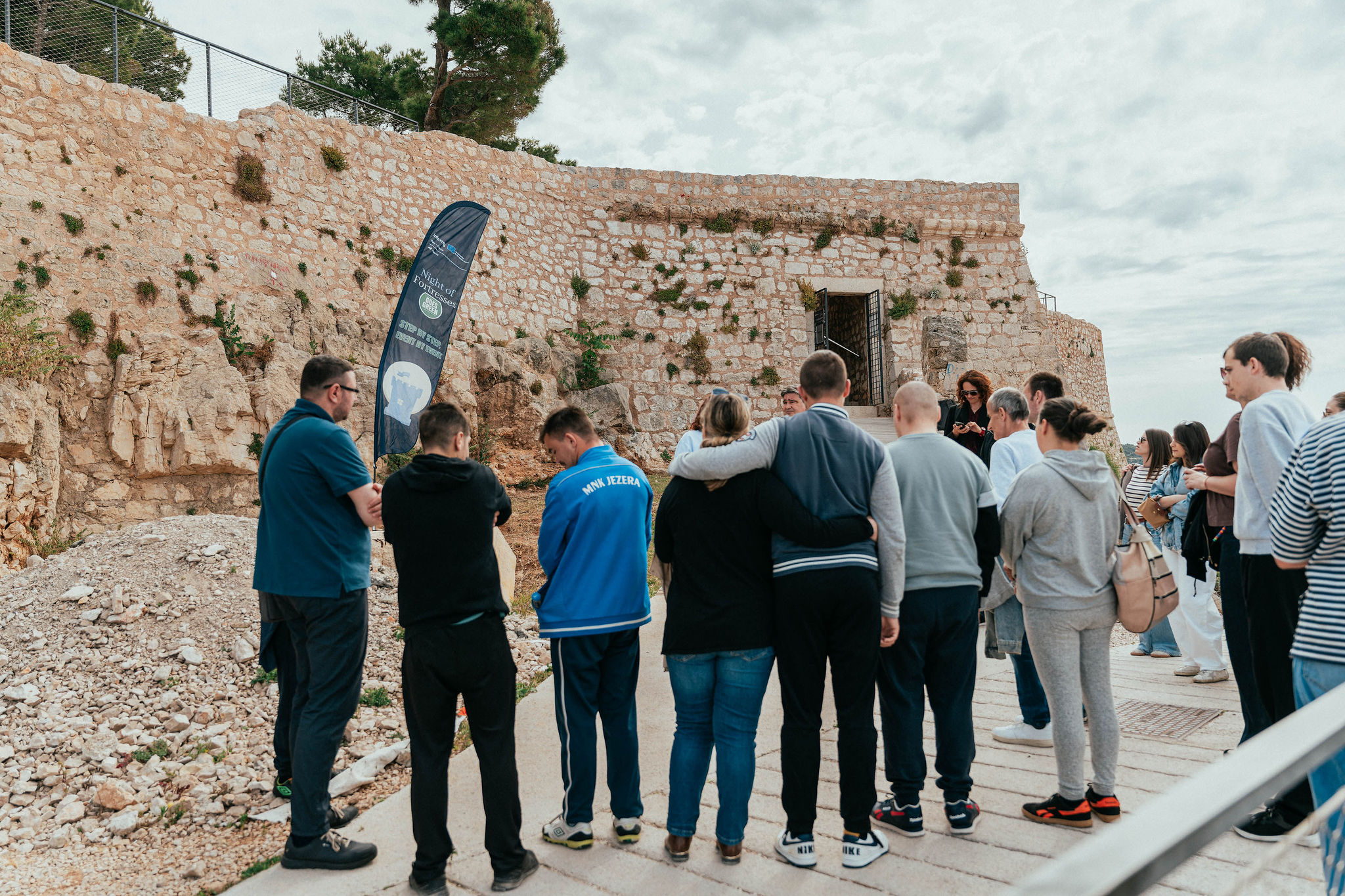
Inclusive thematic tours were held at St. John’s Fortress, St. Michael’s Fortress, Barone Fortress and St. Nicholas’ Fortress. Each tour focused on a specific user group and was developed in cooperation with partner associations: the Centre for Social Inclusion Šibenik, the Association of the Blind of Šibenik-Knin County, Association Aurora and the Association of the Deaf and Hard of Hearing of Šibenik-Knin County.
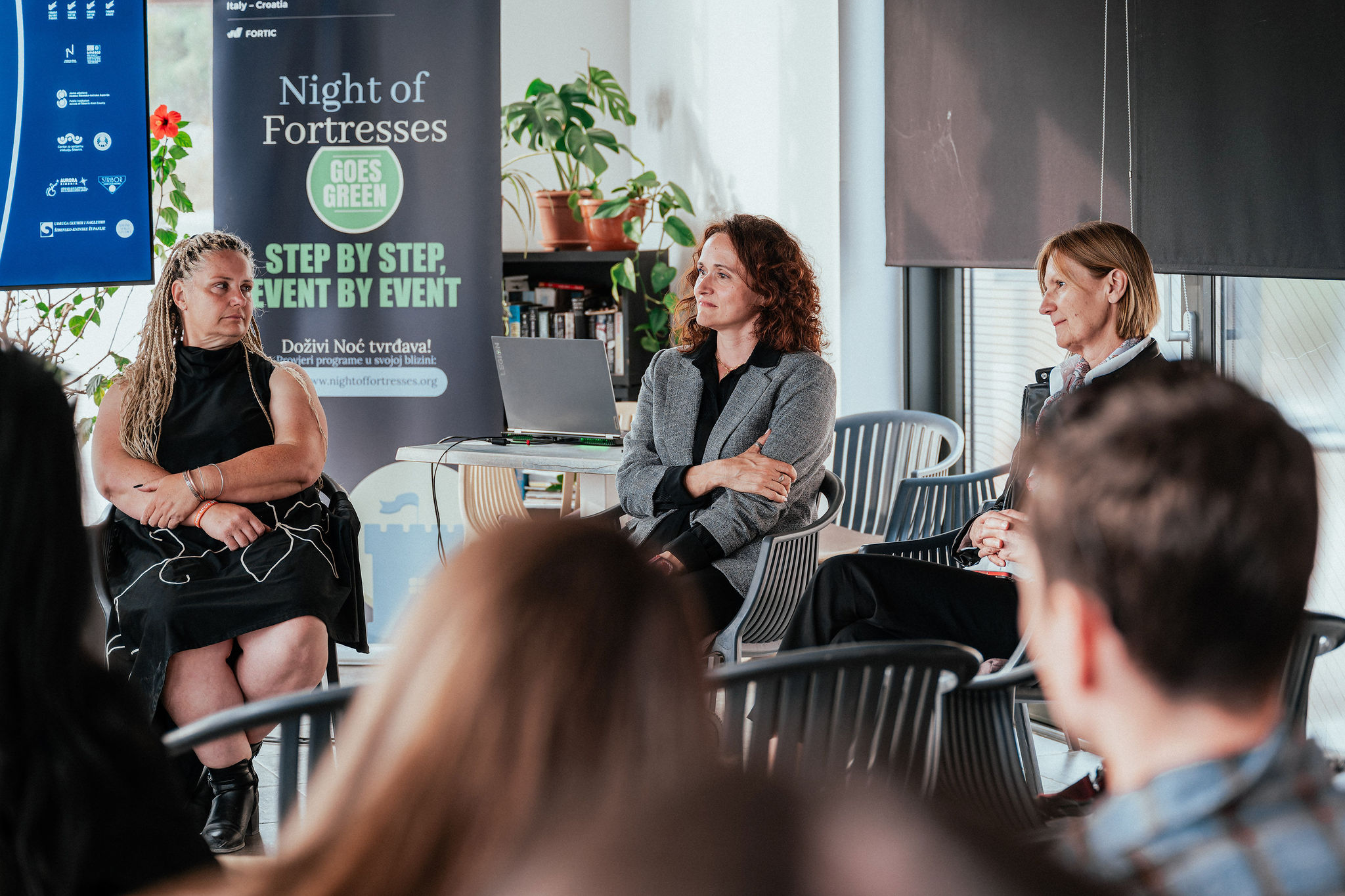
At Barone Fortress, the round table “Fortresses Between Defence and Accessibility: How to Make Inaccessible Heritage Available to Everyone” was also held. Participants emphasized that accessibility does not only mean removing physical barriers, but also adapting communication, language, interpretation and the ways in which visitors are included in cultural content. The conclusion was that inclusive programmes should not be an exception, but part of the regular work and planning of cultural institutions.
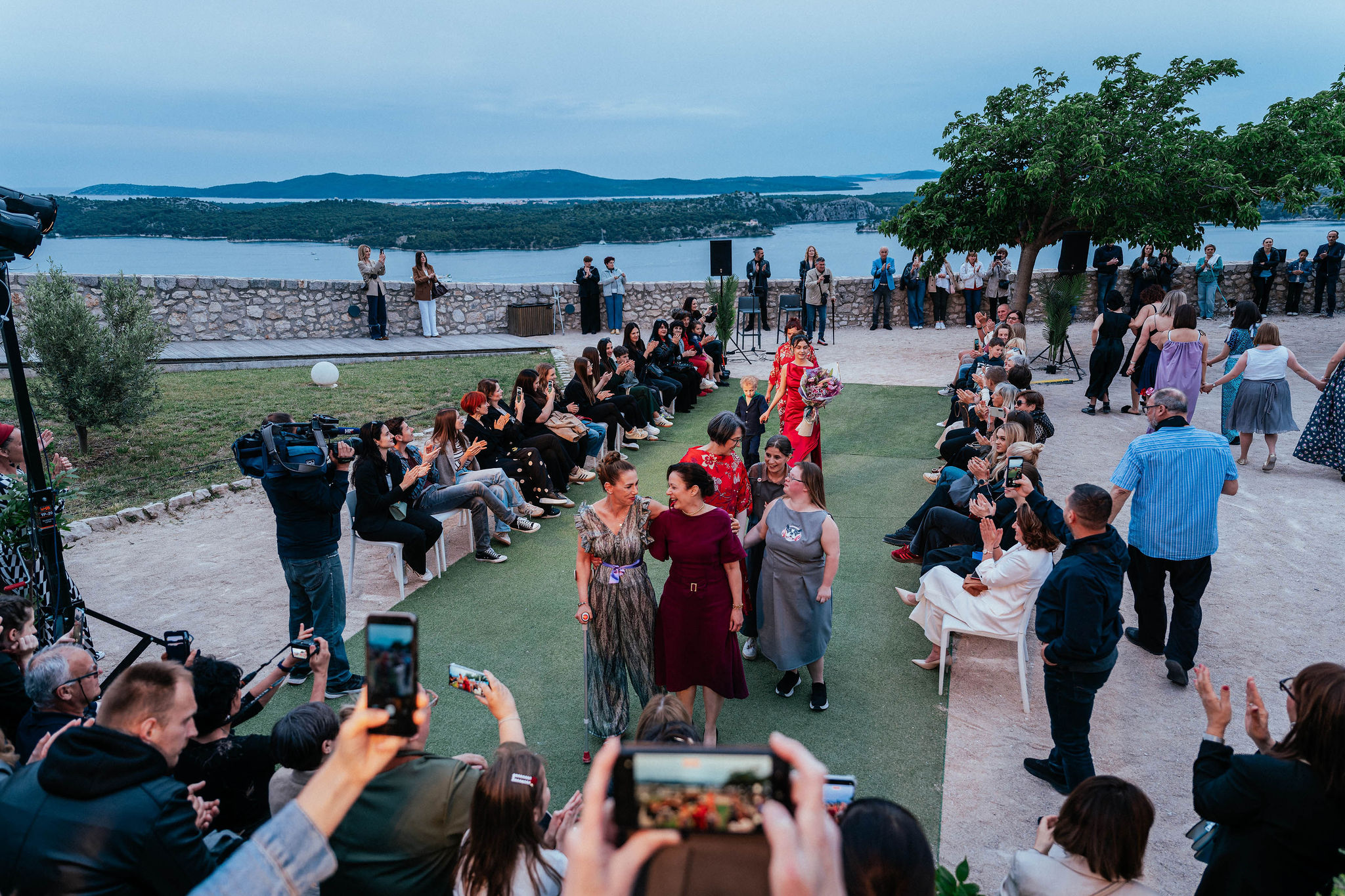
A special conclusion to the inclusive part of the programme was a fashion show featuring persons with disabilities wearing designs by Šibenik designer Karmen Herceg. During their walks down the runway, their personal testimonies about everyday life and the obstacles they face were read aloud, giving the programme a strong social dimension.
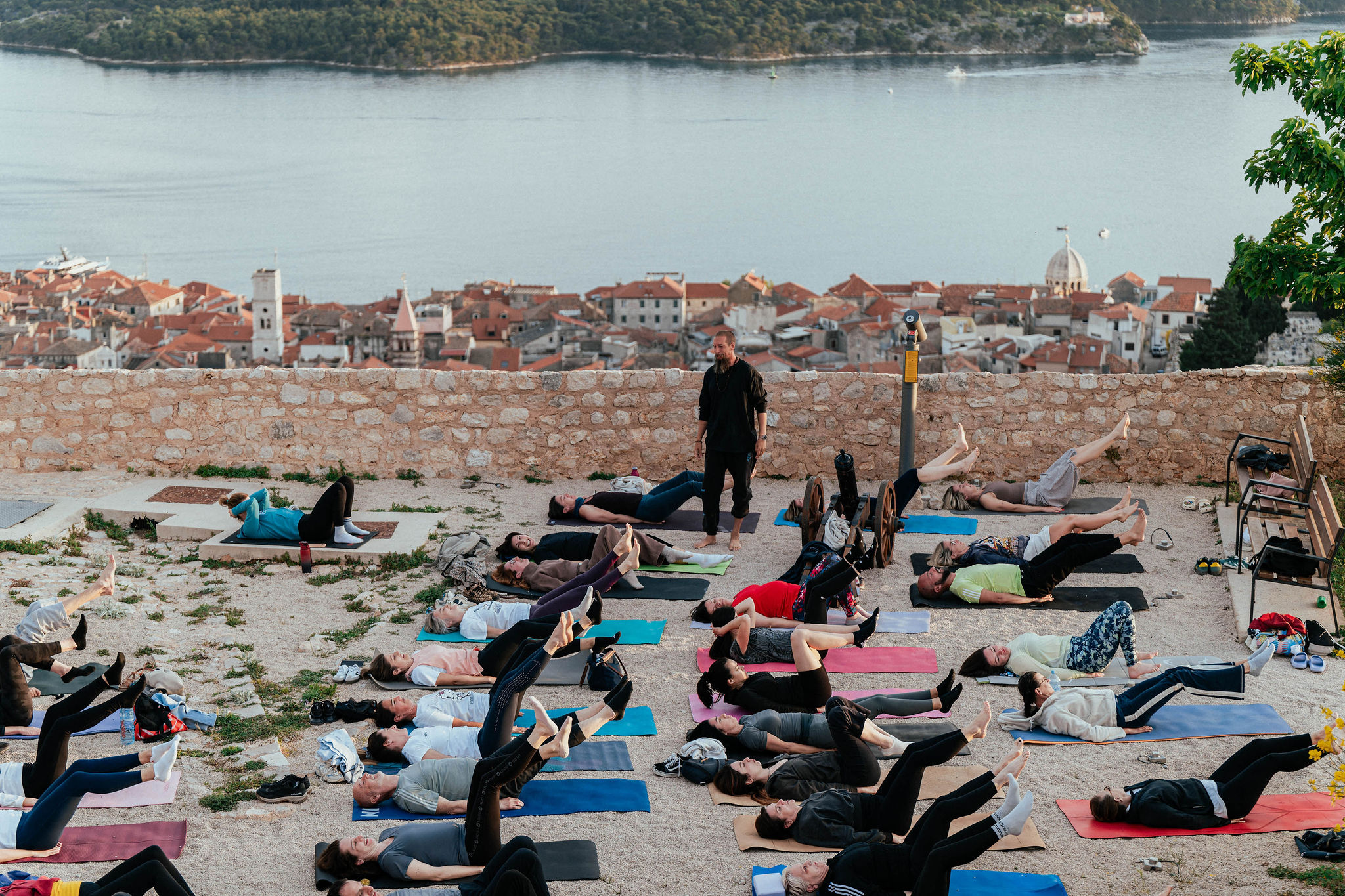
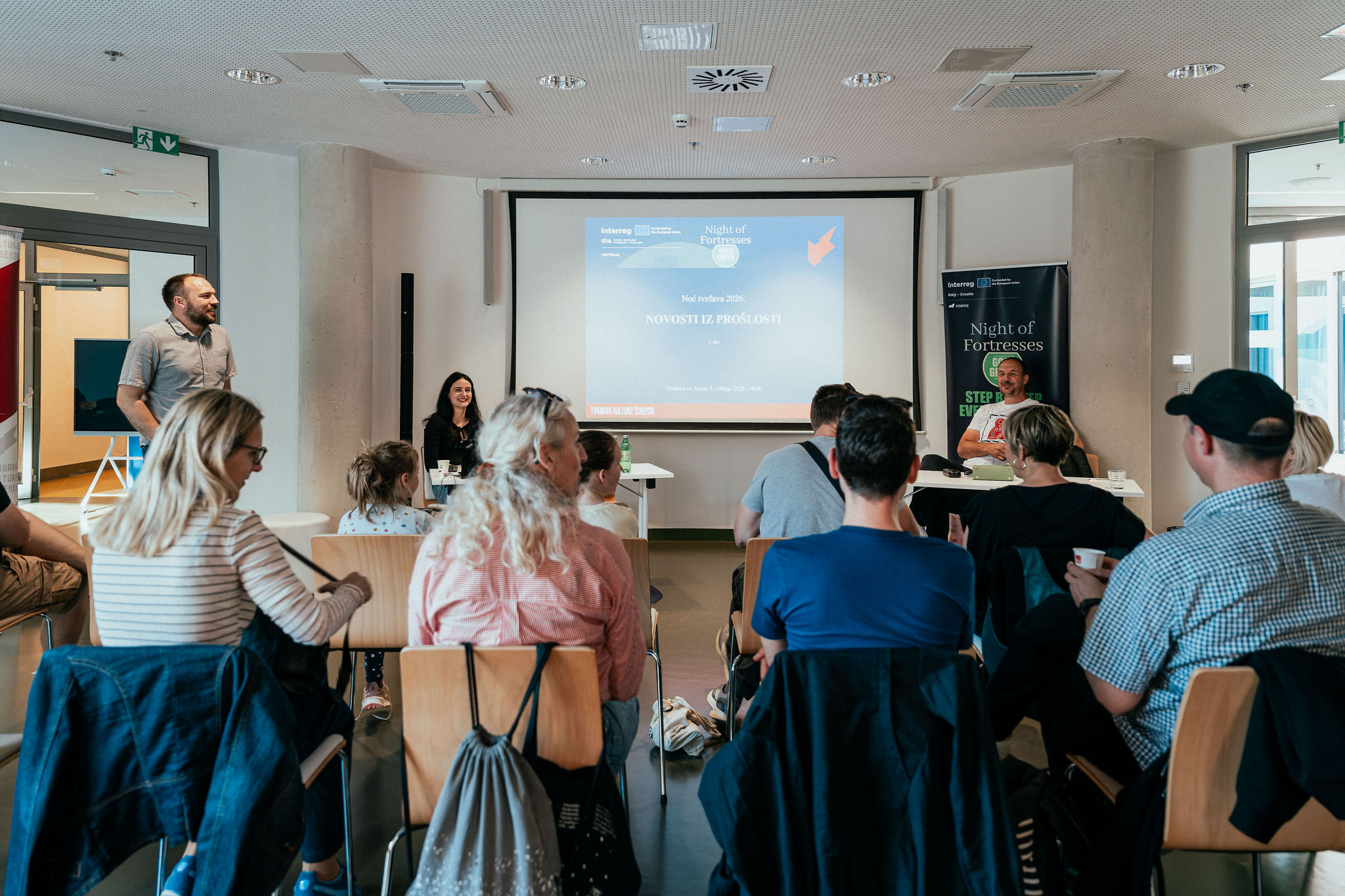
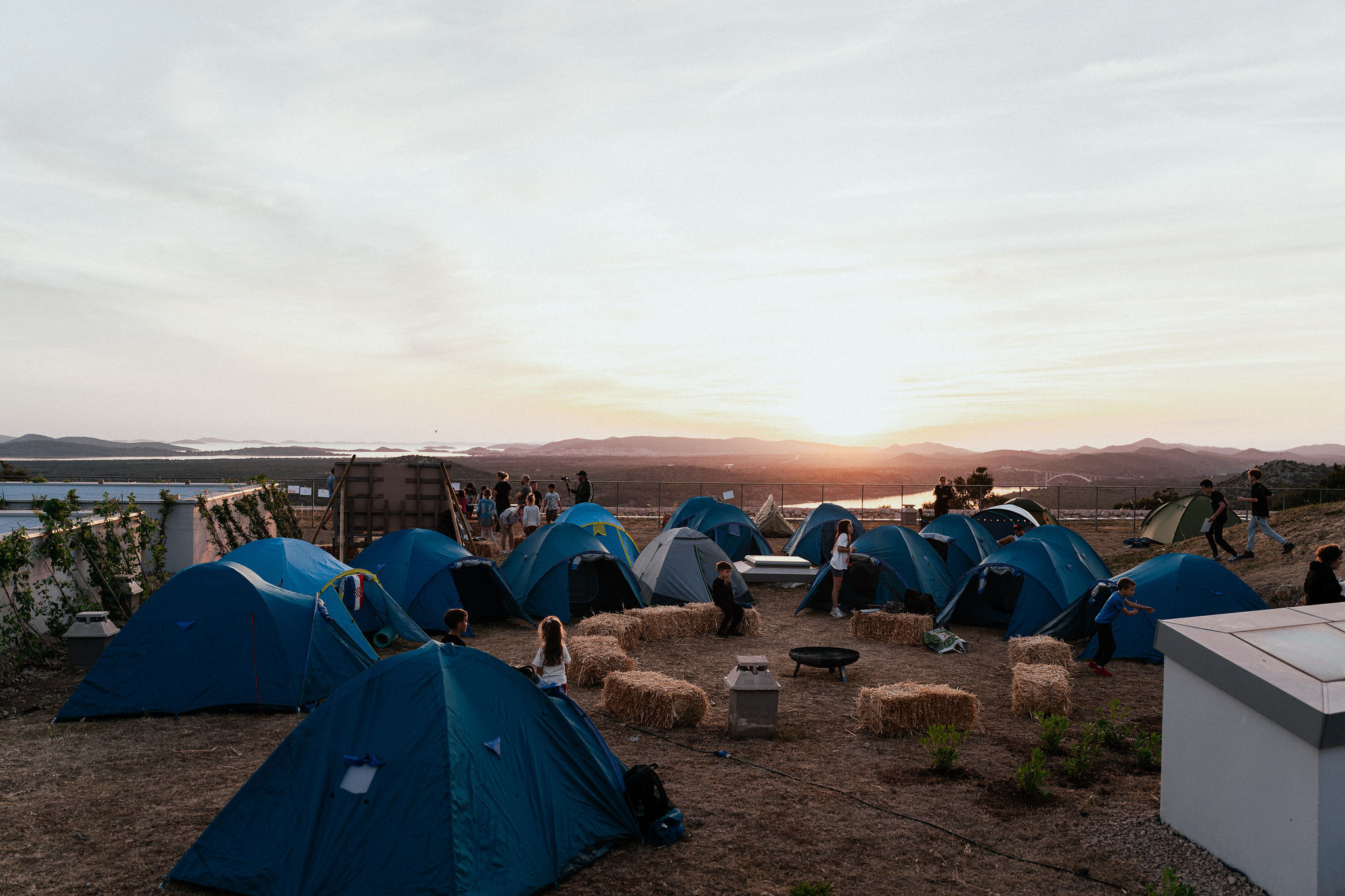
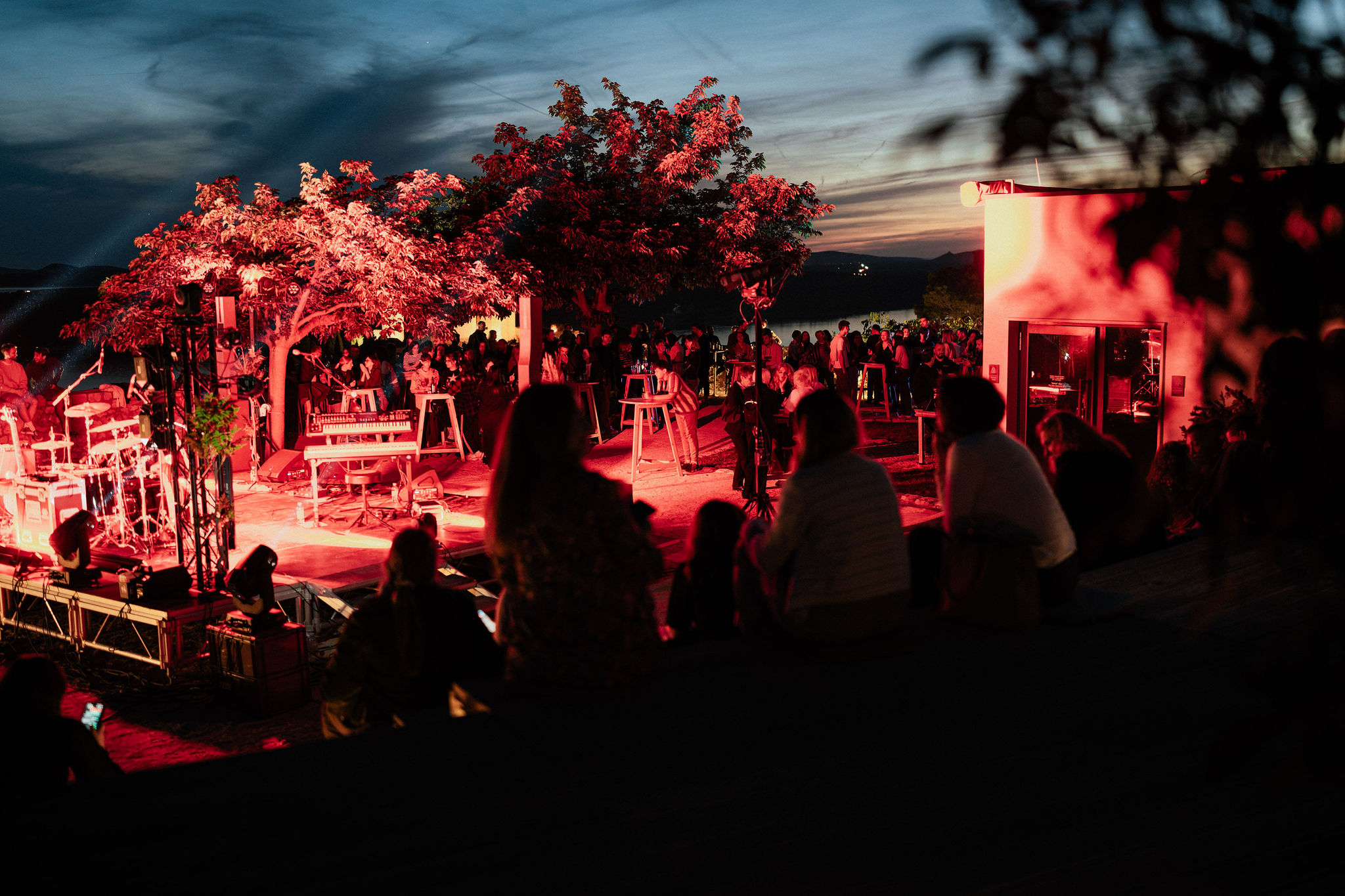
In addition to the inclusive tours, the Šibenik programme also included the heraldry workshop “Coats of Arms of St. Michael’s Fortress” in cooperation with the Šibenik City Museum, the lecture “News from the Past”, sunset yoga at St. John’s Fortress, a children’s sleepover organised in cooperation with the Mountaineering and Environmental Association Stribor, and a concert by BluVinil at Barone Fortress, which this year marks 10 years since its restoration and reopening.
Night of Fortresses in Šibenik showed how heritage can be brought closer to different groups of visitors and how cultural programmes can open space for dialogue on accessibility, inclusion and sustainable development. Through the FORTIC project, the Šibenik programme became part of a broader Croatian-Italian cooperation that views fortifications as spaces of peace, cooperation and new opportunities.
This year’s edition confirmed that European projects such as FORTIC can have a visible impact in local communities — through programmes, audiences, new partners and greater interest in fortified heritage. Night of Fortresses thus continues to grow as a European platform connecting cultural heritage, sustainable tourism, local communities and social responsibility.