🏢 Safeguarding Transitional Ecosystems: Pilot Actions in the Marano and Grado Lagoon Underway presented at the Municipal Administration in Grado
08/09/2026
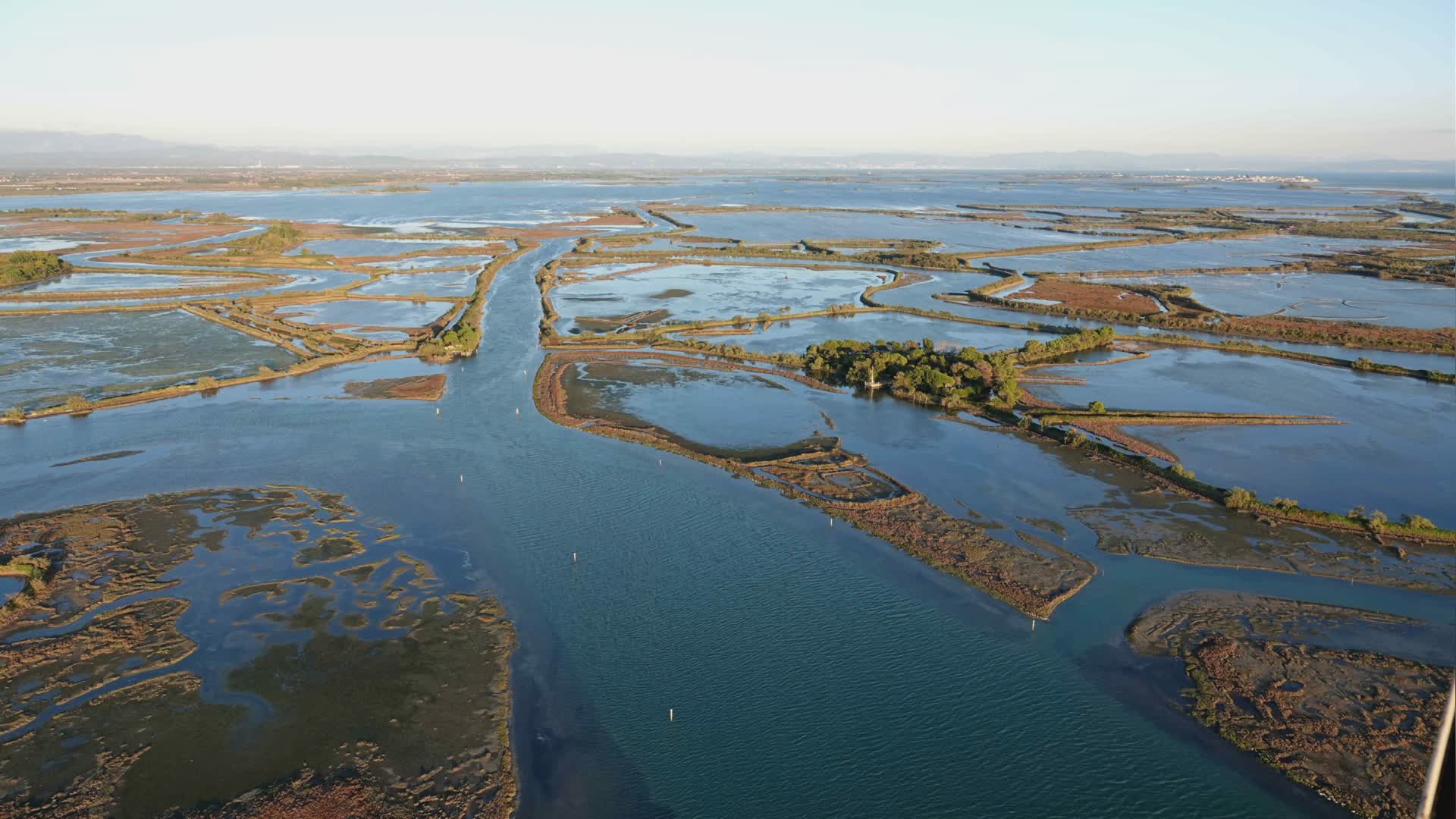
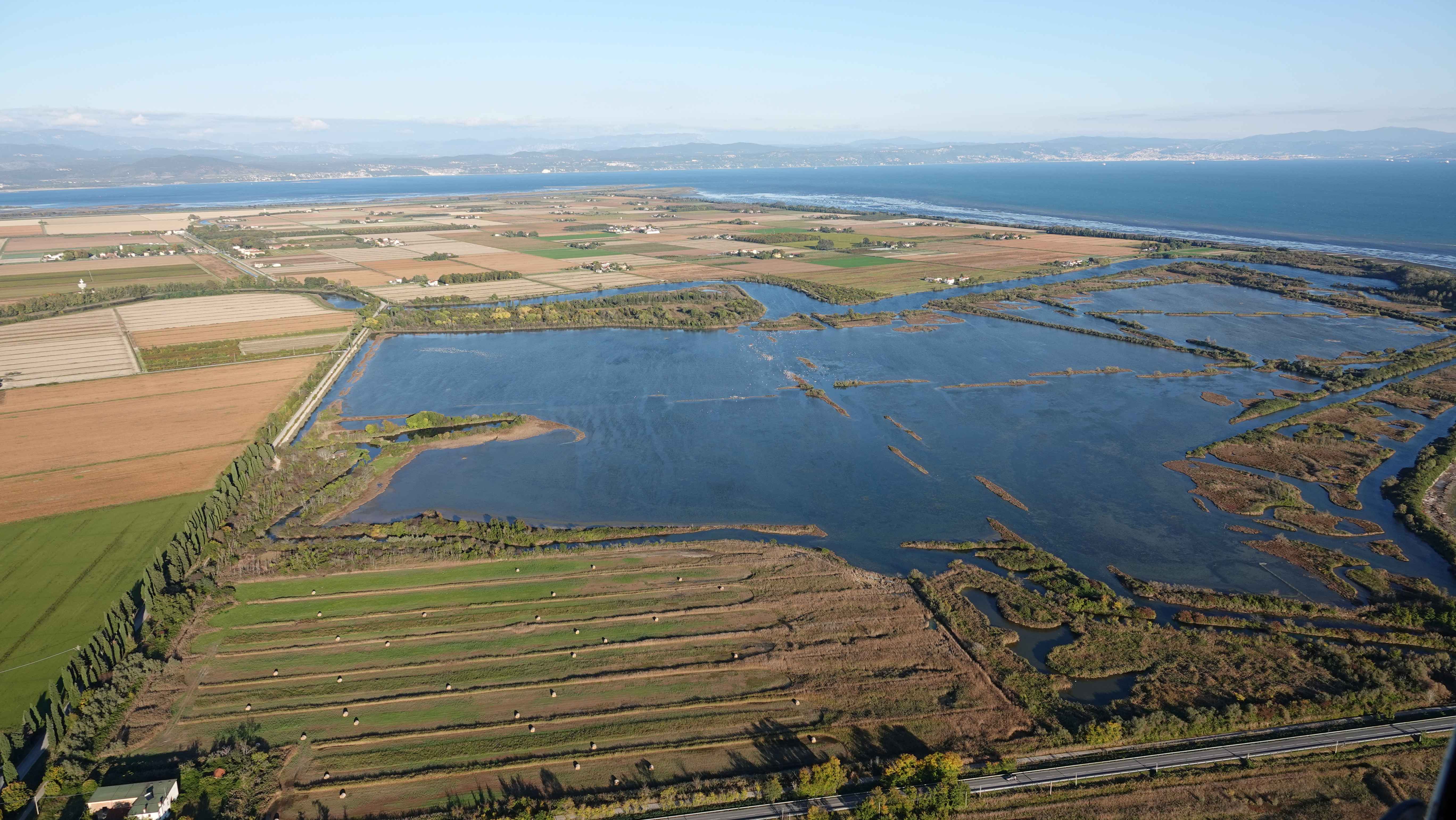
The Marano and Grado Lagoon represents a unique transitional coastal wetland where natural ecosystems, cultural heritage, and traditional economic practices intersect. Among these, vallicoltura, a traditional, low-density fish farming practice operating within the Natura 2000 framework, plays a crucial role in maintaining local biodiversity and sustaining coastal livelihoods. However, these delicate balances are increasingly threatened by climate change, coastal erosion, and invasive species.
As presented during the meeting in Grado on August 26, 2026, organized to share the strategy and objectives of the BRAVE project, as well as potential synergies between the Regional Administration and the Municipal Administration regarding the lagoon fish farming sector (vallicoltura), the Friuli Venezia Giulia Autonomous Region, To address these vulnerabilities, the Friuli Venezia Giulia Region (BRAVE Partner No. 2), in close collaboration with the Universities of Trieste and Udine, the OGS of Trieste, is executing high-impact pilot actions as part of the Interreg Italy–Croatia BRAVE project.
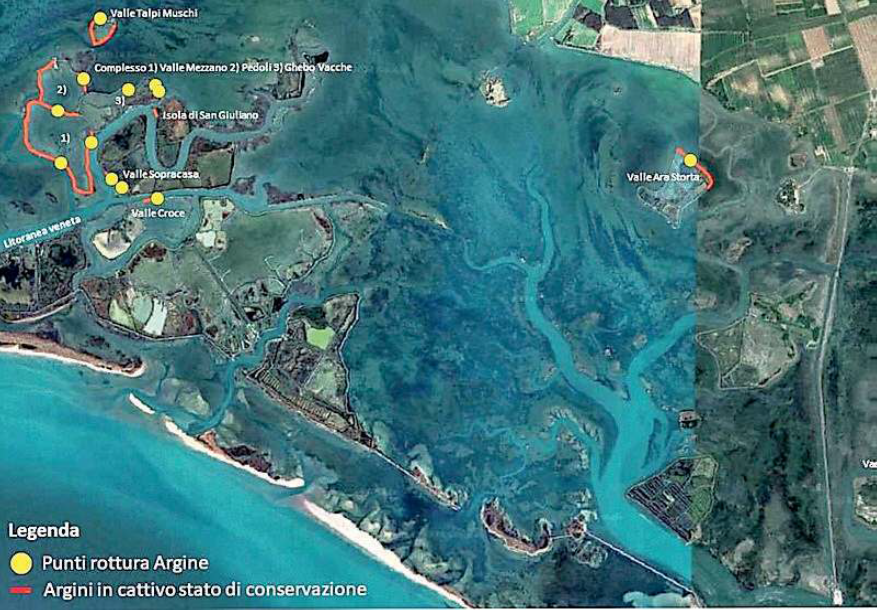
Mapping 72 Kilometers of Vulnerable Embankments
Between June and August 2026, the scientific team accomplished a comprehensive mapping campaign surveying 72 kilometers of embankments enclosing local valli da pesca. Utilizing high-resolution LiDAR and aerophotogrammetry alongside morpho-sedimentary metrics, preliminary assessments revealed that over a third of these critical dikes face severe erosion or stability risks. Preserving these embankments is essential not only to maintain structural containment for traditional aquaculture, but also to protect surrounding habitats for bird populations, fish stocks, and benthic organisms.
Uncovering Trophic Networks with eDNA
In parallel with physical surveys, researchers are deploying advanced molecular diagnostics. Environmental DNA (eDNA) sampling allows scientists to track nekton biodiversity and map complex food web interactions without disturbing fragile marine habitats. A key objective is analyzing the ecological impacts of invasive alien species, such as the Blue Crab (Callinectes sapidus), on economically and ecologically vital native species like cockles (Cerastoderma glaucum) and Manila clams (Tapes philippinarum).
From Local Data to Transnational Governance
The empirical data collected in Marano and Grado are far more than a regional health check. They serve as a primary building block for the shared BRAVE Smart Digital Platform for the Adriatic Sea. By standardizing physical, biological, and socio-economic datasets across participating sites in Italy and Croatia, the project provides researchers, fishers, and decision-makers with the tools needed to implement effective nature-based solutions, mitigate alien species pressures, and ensure a resilient future for our shared sea.