

Inter-regional conference & workshop
30/01/2026
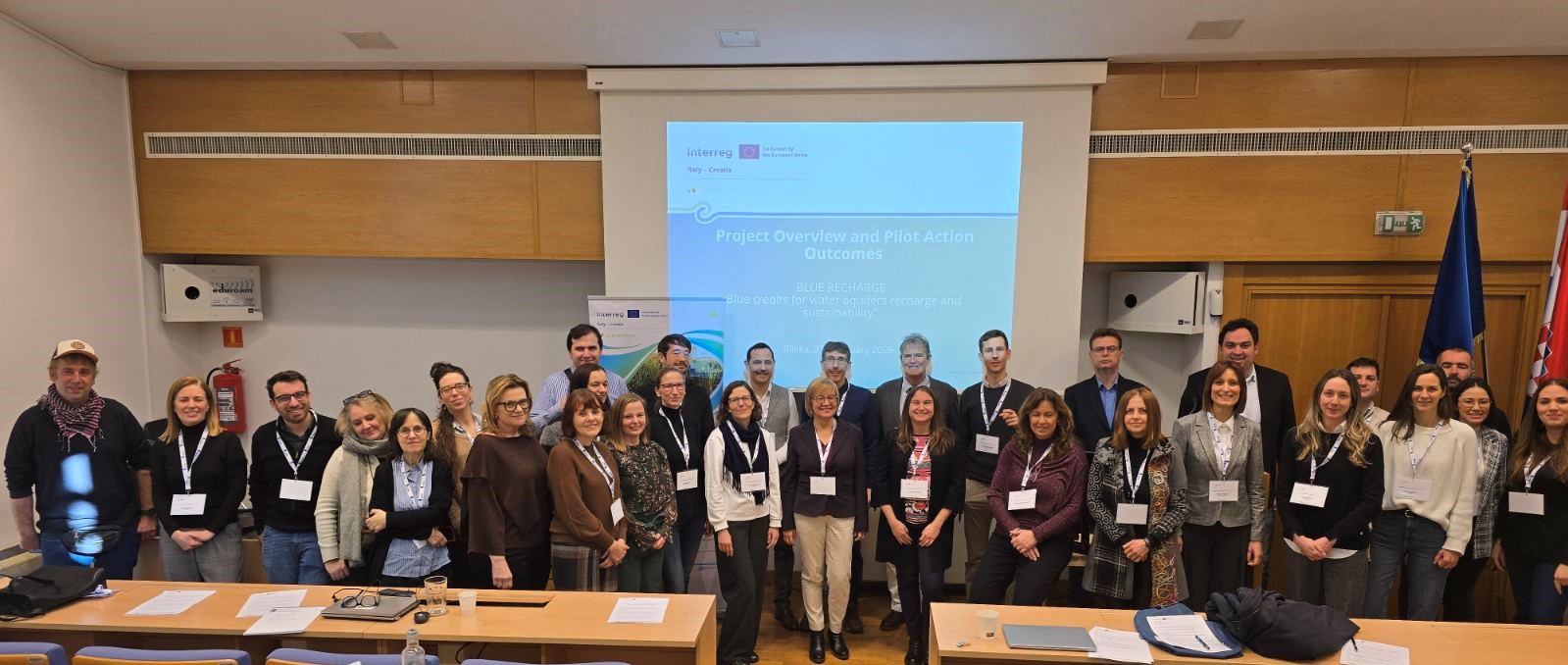
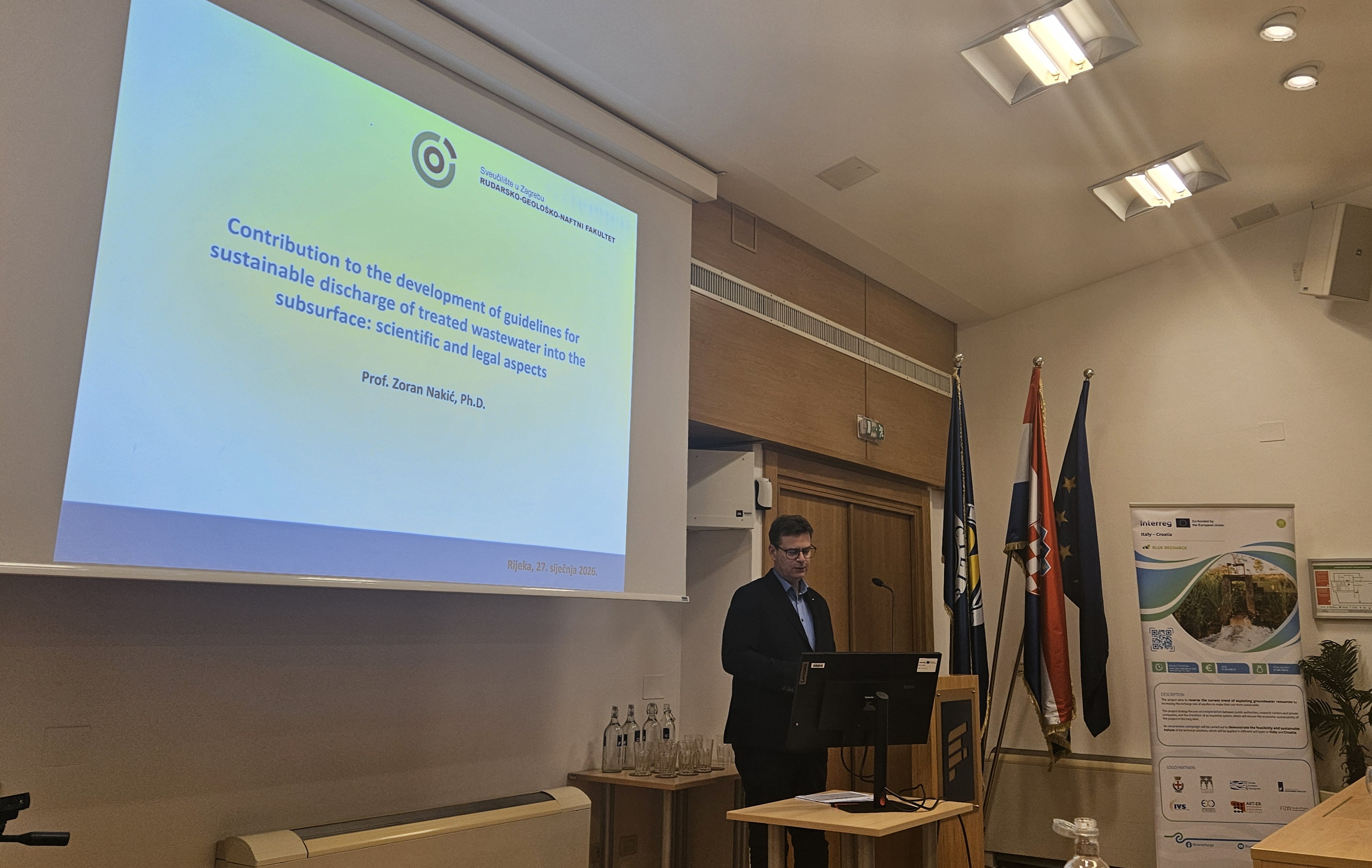
The international pilot conference held in Rijeka on 27 January 2026 brought together leading experts from Croatia, Italy, Australia, Spain, and Germany to present results and perspectives on Managed Aquifer Recharge (MAR) and the development of a new economic mechanism, "Blue Credits." Participants included Andrew Ross (Australian National University), Enrique Fernández Escalante (Tragsa R&D, UPM, IAH-MAR), Saša Moharić (City of Vodnjan), Bojana Hajduk Černeha (Istrian Waterworks), Francesco Cavazza (Canale Emiliano Romagnolo), Davor Mance (Faculty of Economics Rijeka), Alessandro Bosso (ART-ER), Francesco Cisternino (EXO), Diana Mance (Faculty of Physics Rijeka), Linda Söller (Institute for Social-Ecological Research), and Zoran Nakić (Faculty of Mining, Geology and Petroleum Engineering), with support from the organizing committee chaired by Davor Mance.
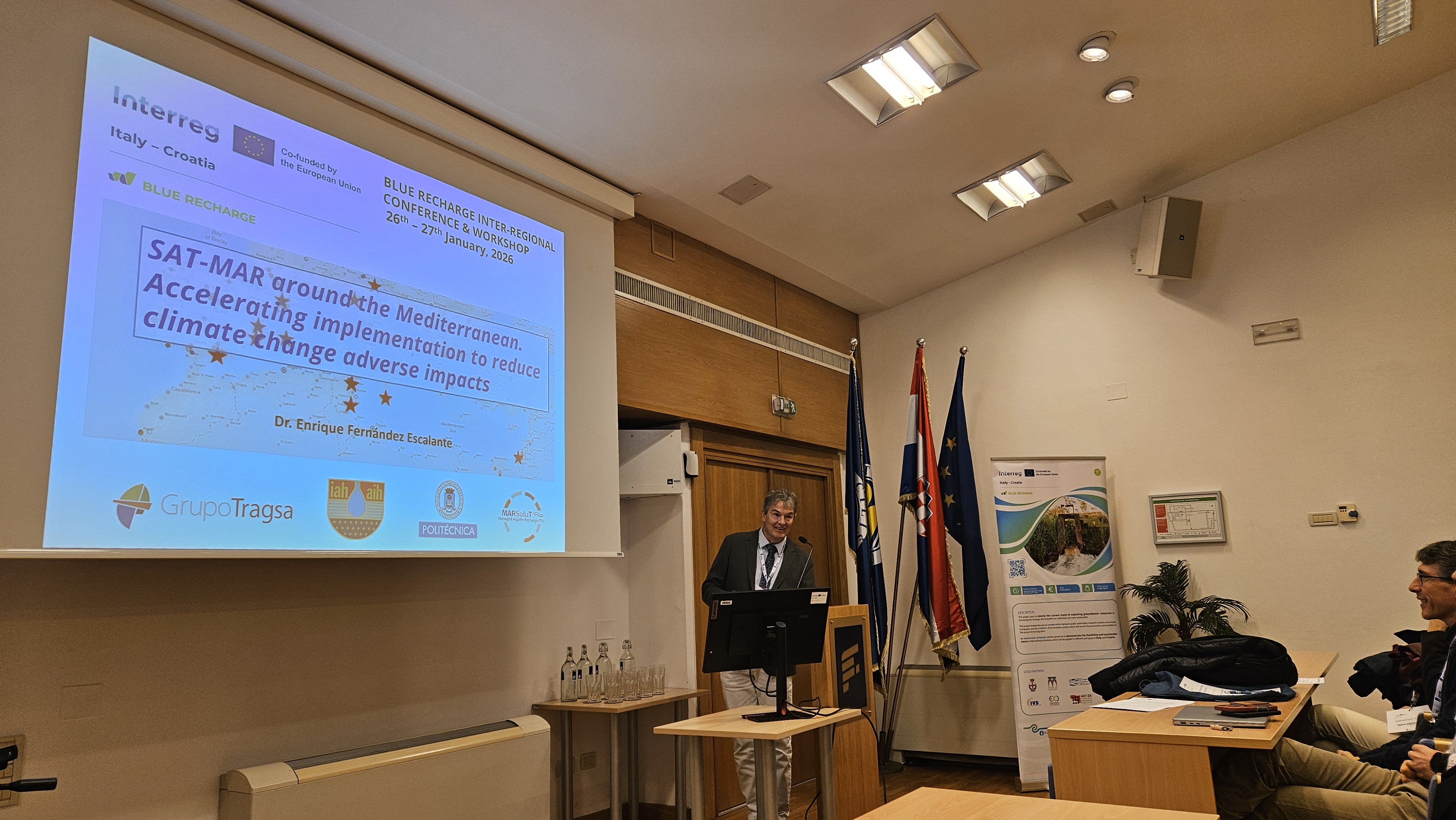
Dr. Enrique Fernández Escalante (Tragsa/IAH-MAR) presented SAT-MAR (Soil Aquifer Treatment + Managed Aquifer Recharge) as a key technology for climate change adaptation in the Mediterranean, where rising temperatures, reduced precipitation and extreme weather threaten a 50% drop in available water resources by 2100. He showcased a wide range of Spanish examples – Arenales in Castile and León (Spain's largest regional MAR scheme covering 48,000 ha), Llobregat in Catalonia (hydraulic barrier against seawater intrusion), Mallorca (AGRI-MAR with research on the impact of reclaimed water on soil and crops), and systems like El Carracillo and Santiuste demonstrating concrete results: +48 hm³/year storage, air temperature reduction by 1.5-6°C, 15-20% increase in soil moisture, and multi-year drought management. He highlighted the evolution of EU regulations (Spain's RD 1620/2007 → EU Regulation 2020/741 → MAR Guidelines 2024) gradually overcoming implementation barriers, and called for establishing a SAT-MAR working group for the Mediterranean and MENA region, emphasising that SAT-MAR represents an investment in the circular economy and living labs for future water system resilience.
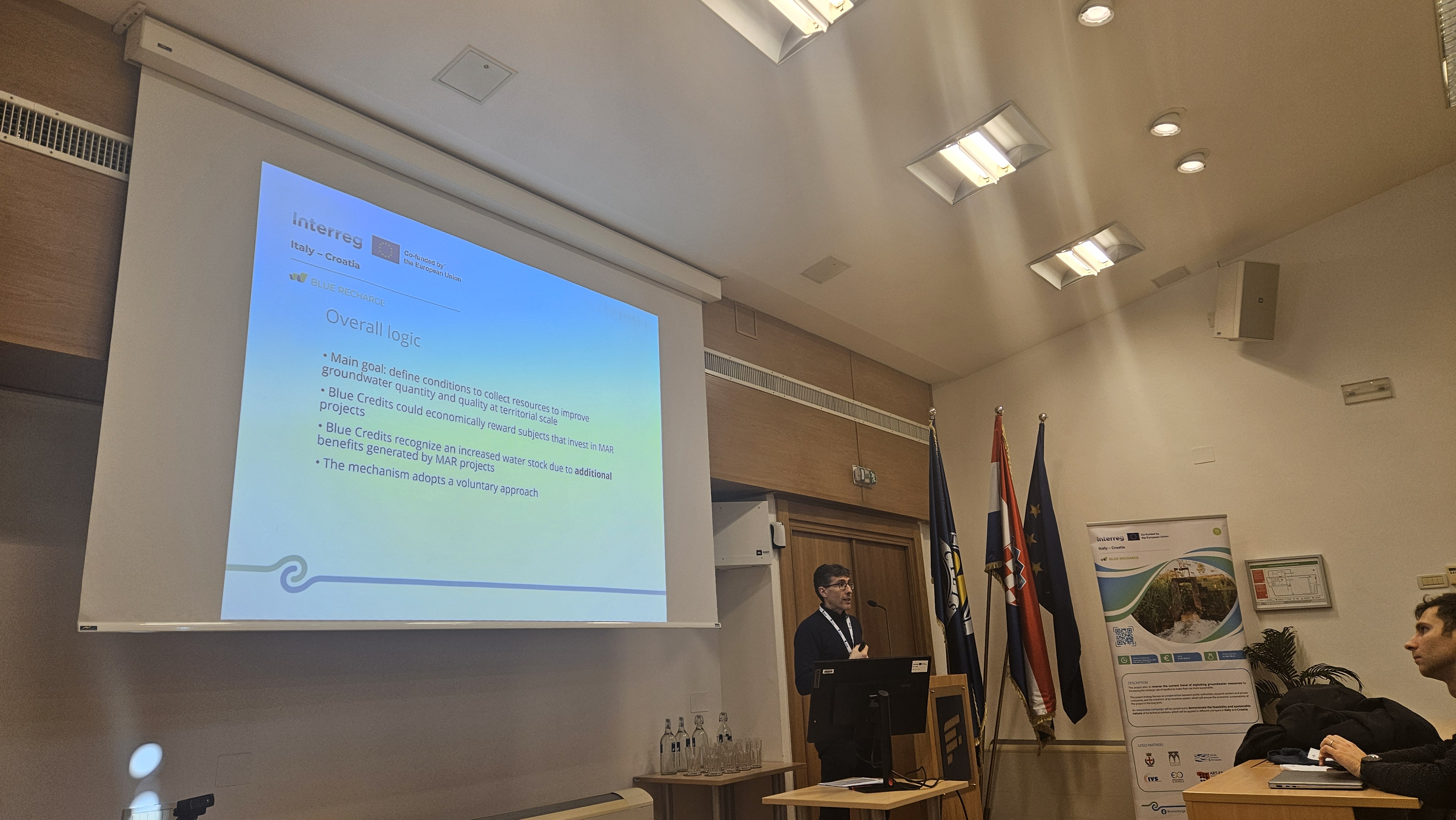
In the opening segment of Session 1, Pilot Implementation in Croatia and Italy, presented on behalf of the City of Vodnjan by project manager Saša Moharić LL.B., the focus was placed on safeguarding groundwater in the cross-border area by increasing MAR and introducing Blue Credits, which financially reward public and private entities for their contribution to aquifer recharge and sustainable water use. The project work is structured around three key streams: harmonising knowledge, regulation and the economic model (including blockchain-based support); implementing integrated case studies in Italy and Croatia; and developing cross-border policies, guidelines for wider application, and education programmes.
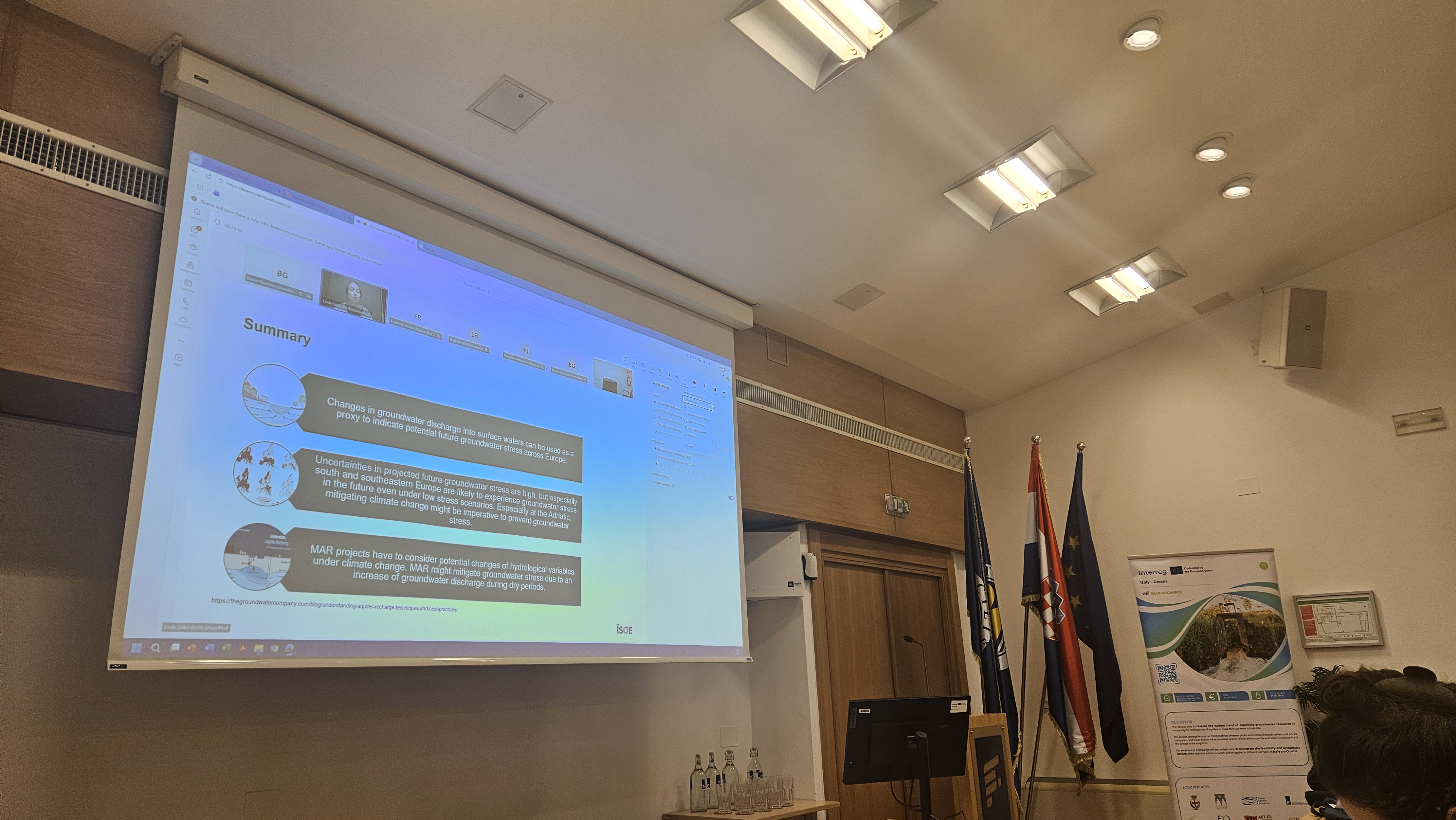
In Southern Istria, the project addresses pronounced climate challenges – rising average temperatures, greater precipitation variability, longer drought periods and increasingly frequent short, intense rainfall events, with projections of more dry days and a 20–30% increase in heavy rainfall by mid-century. Solutions are based on managed infiltration of high-quality treated wastewater through recharge wells and fields, which increases the thickness of the freshwater layer, enables safer abstraction and reduces the risk of seawater intrusion; in this context, the new Peroj and Loborika wastewater treatment plants stand out as key infrastructure nodes for the development of MAR schemes.
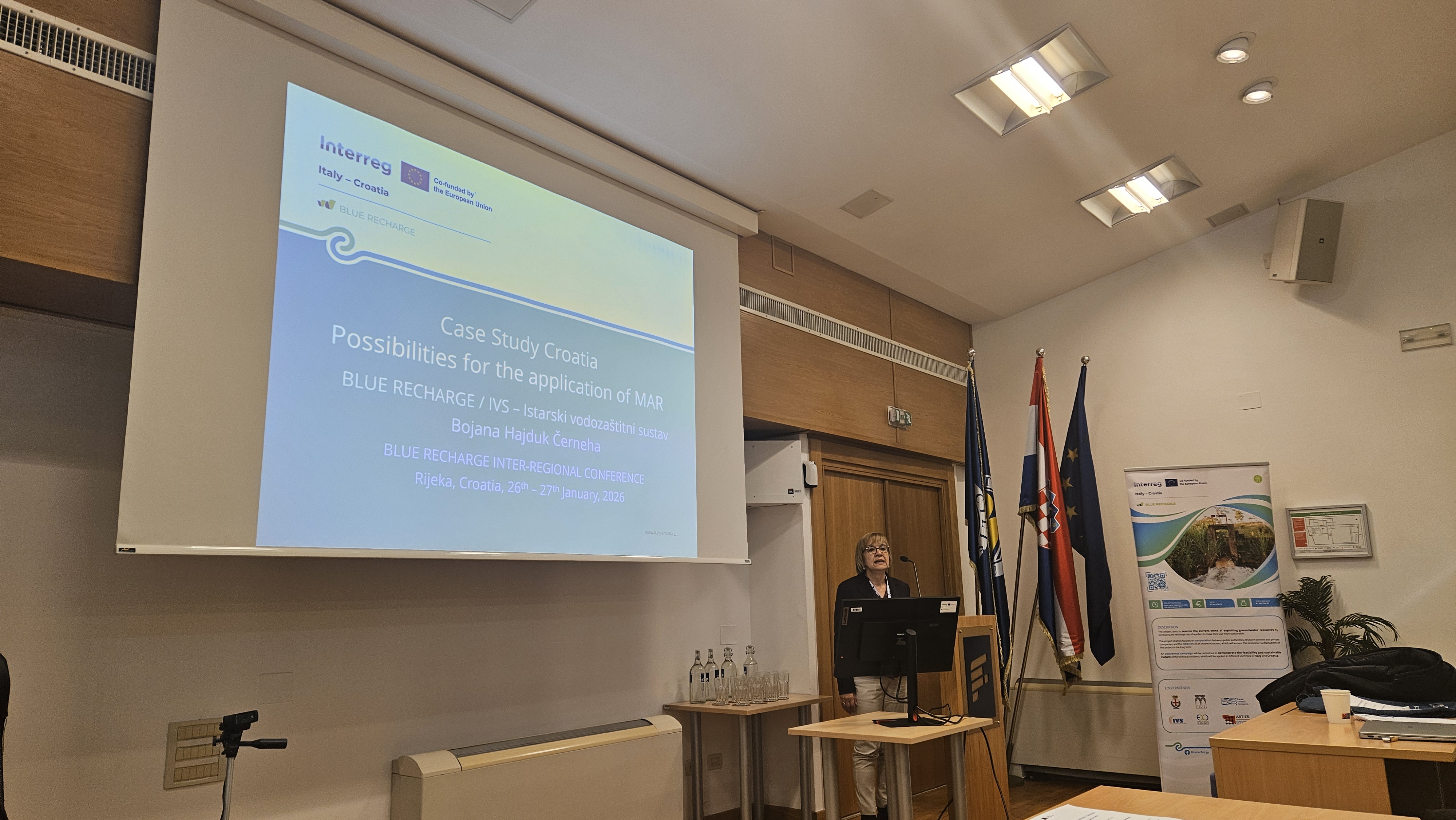
The Croatian IVS case study, presented by Bojana Hajduk Černeha, focuses on the Southern Istria aquifer which, due to poor chemical status, has been abandoned for human consumption but remains important for irrigation and technical water, opening space for safe MAR using treated wastewater. At the Loborika WWTP, exploratory drilling, tracer tests and extensive monitoring (fluorometry, turbidity, ammonium, nitrates, suspended solids) are carried out, with current results indicating stable groundwater quality and no significant negative impacts despite around 15,000 m³ of water being infiltrated into the infiltration field, alongside pilot tests aimed at optimising treatment processes and infiltration conditions.
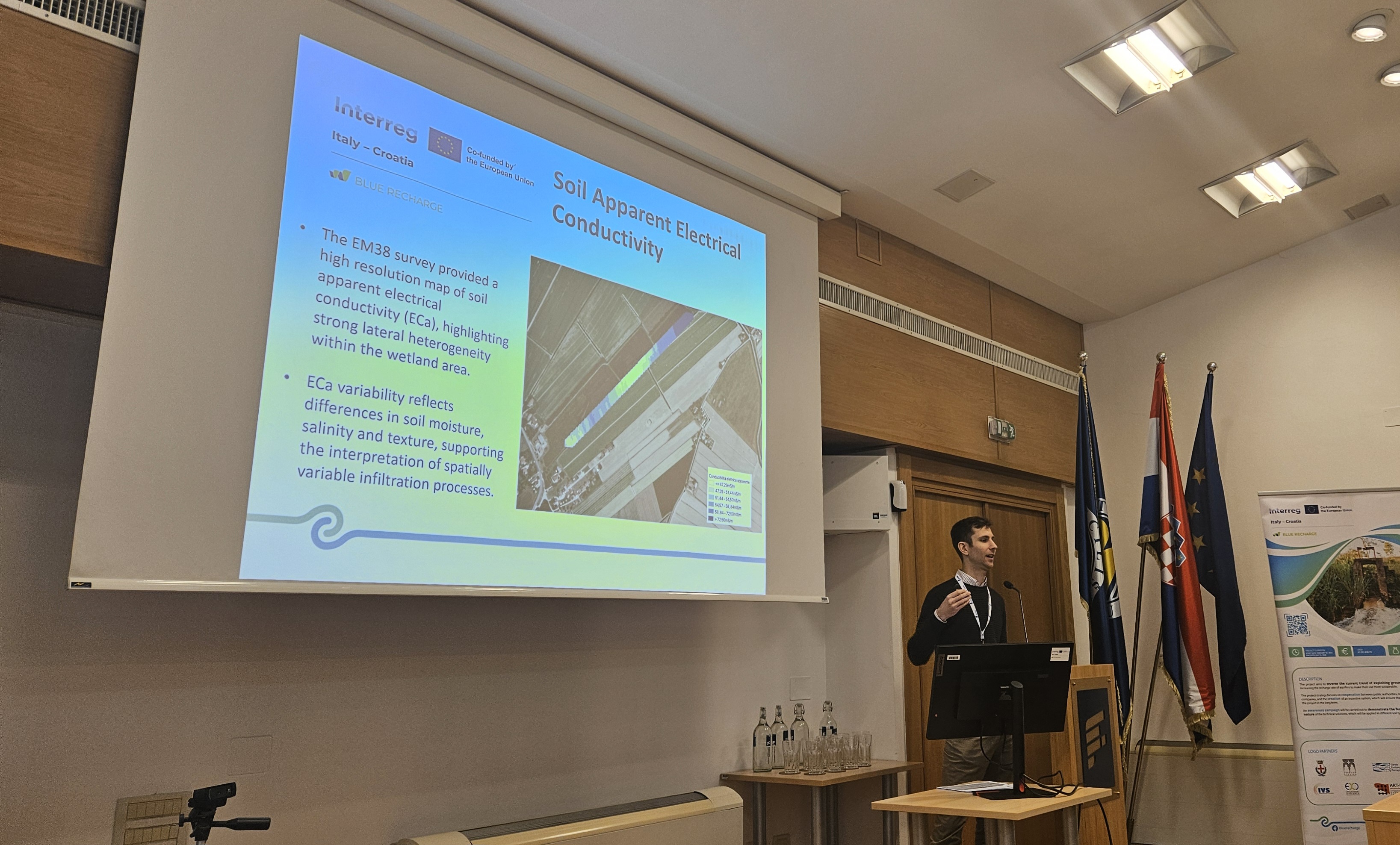
The Italian case study in the Mezzano Valley (CER), presented by Francesco Cavazza, Tommaso Letterio and Valeria Ferrarini (CER) together with Alessandro Bosso (ART‑ER), demonstrates how nature-based solutions – wetland systems – can simultaneously support shallow aquifer recharge, mitigate salinisation and land subsidence, improve water quality and strengthen the rural economy. The Baldassari pilot site, with three interconnected basins of different soil textures and stratigraphy, has shown that several thousand cubic metres of water per hectare can infiltrate annually, with a significant share of stored volume reaching groundwater, while differences in soil structure have a strong influence on infiltration efficiency.
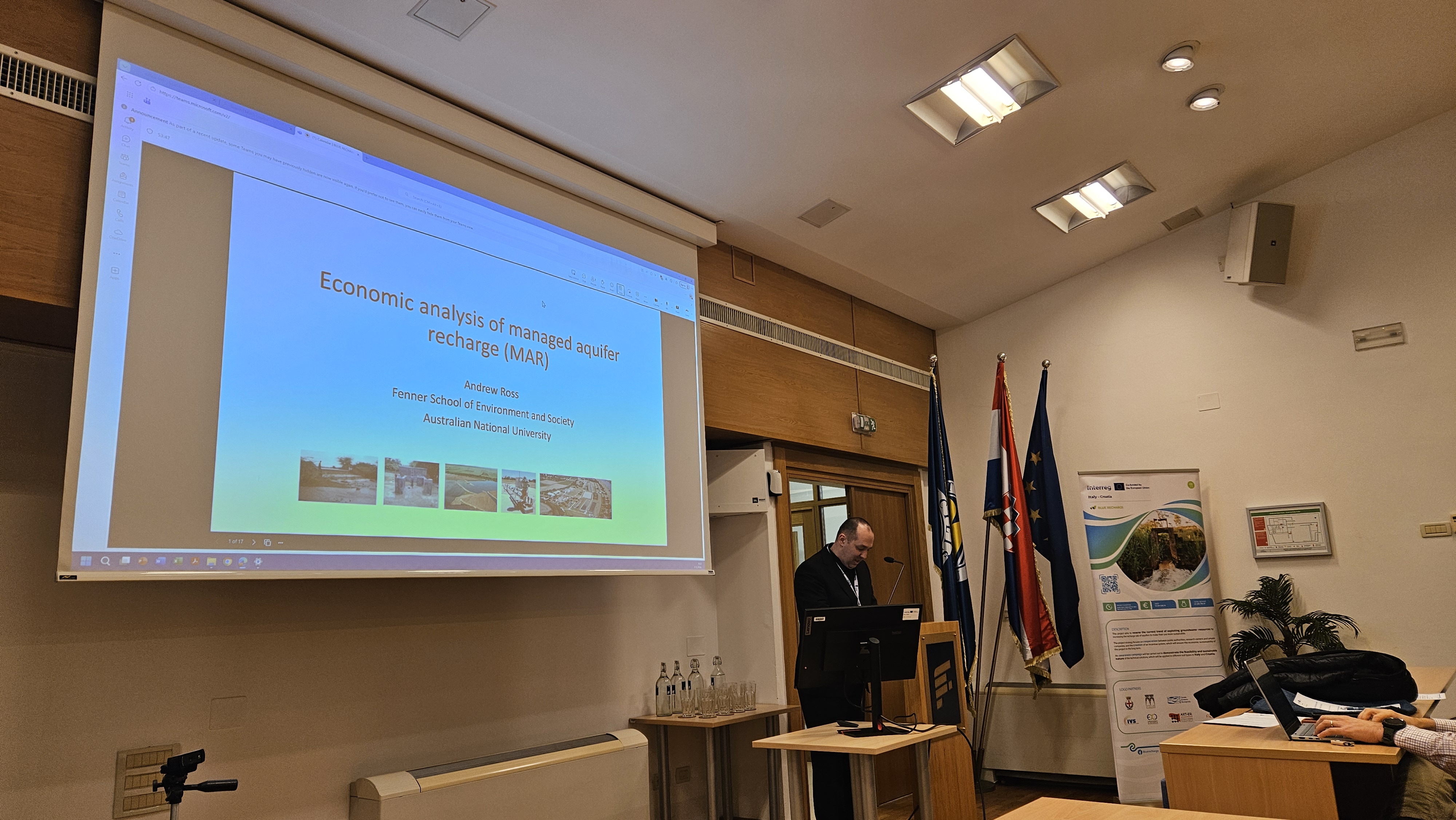
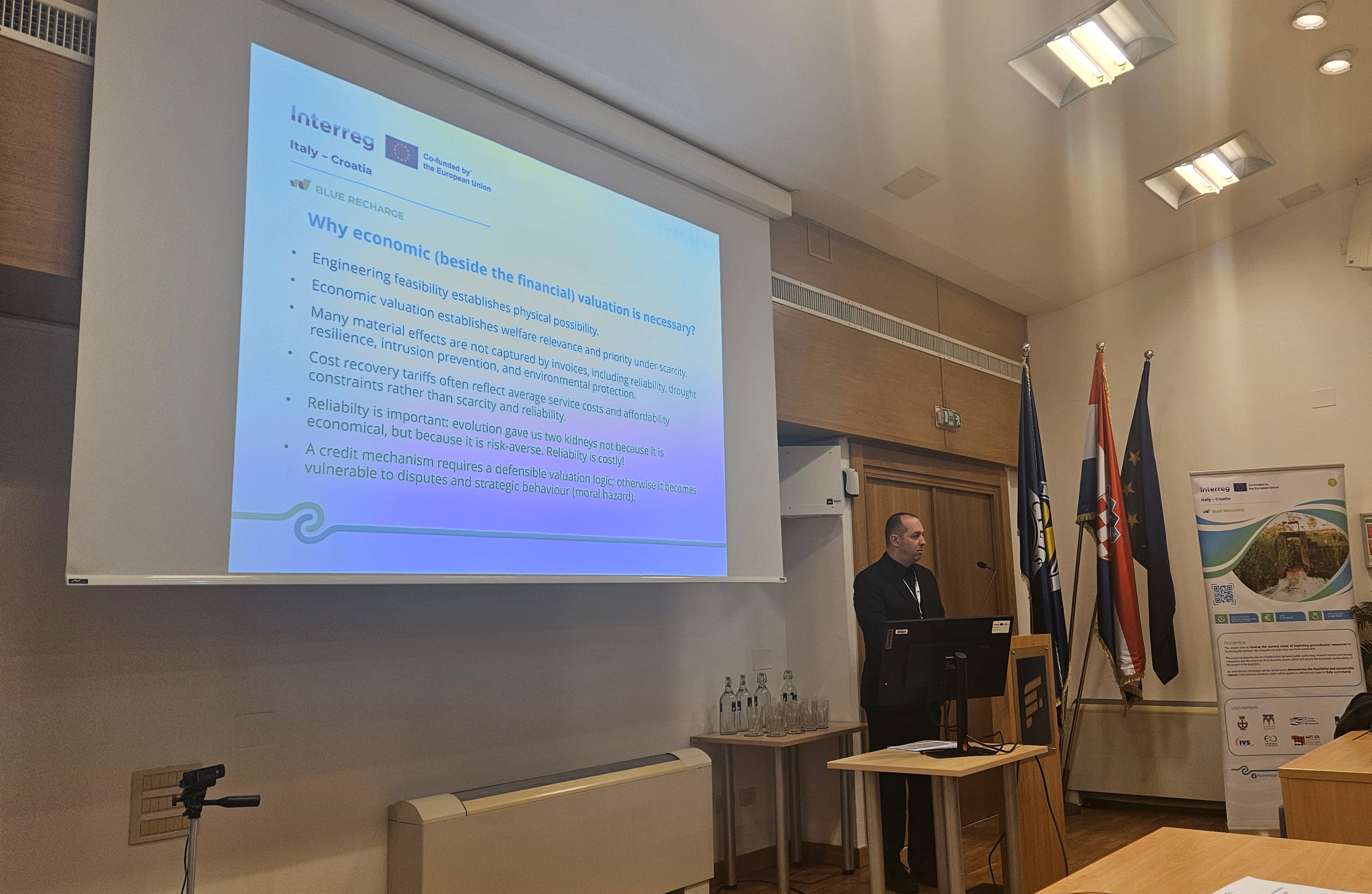
In Session 2, Economic Sustainability and Blue Credits, presented by Assoc. Prof. Davor Mance, PhD (Faculty of Economics and Business, University of Rijeka), demonstrates that the value of managed aquifer recharge cannot be reduced to revenue from water sales, but must be seen as a total economic value: direct benefits for households, tourism, agriculture and industry; avoided damage from seawater intrusion and drought; ecosystem services; option, bequest and altruistic values; and system resilience of the water supply. The MAR concept developed for Loborika shows that even if purely financial indicators may appear marginal, a broader economic analysis including salinisation prevention, drought resilience and support to karst ecosystems yields a positive benefit–cost ratio and justifies investment.
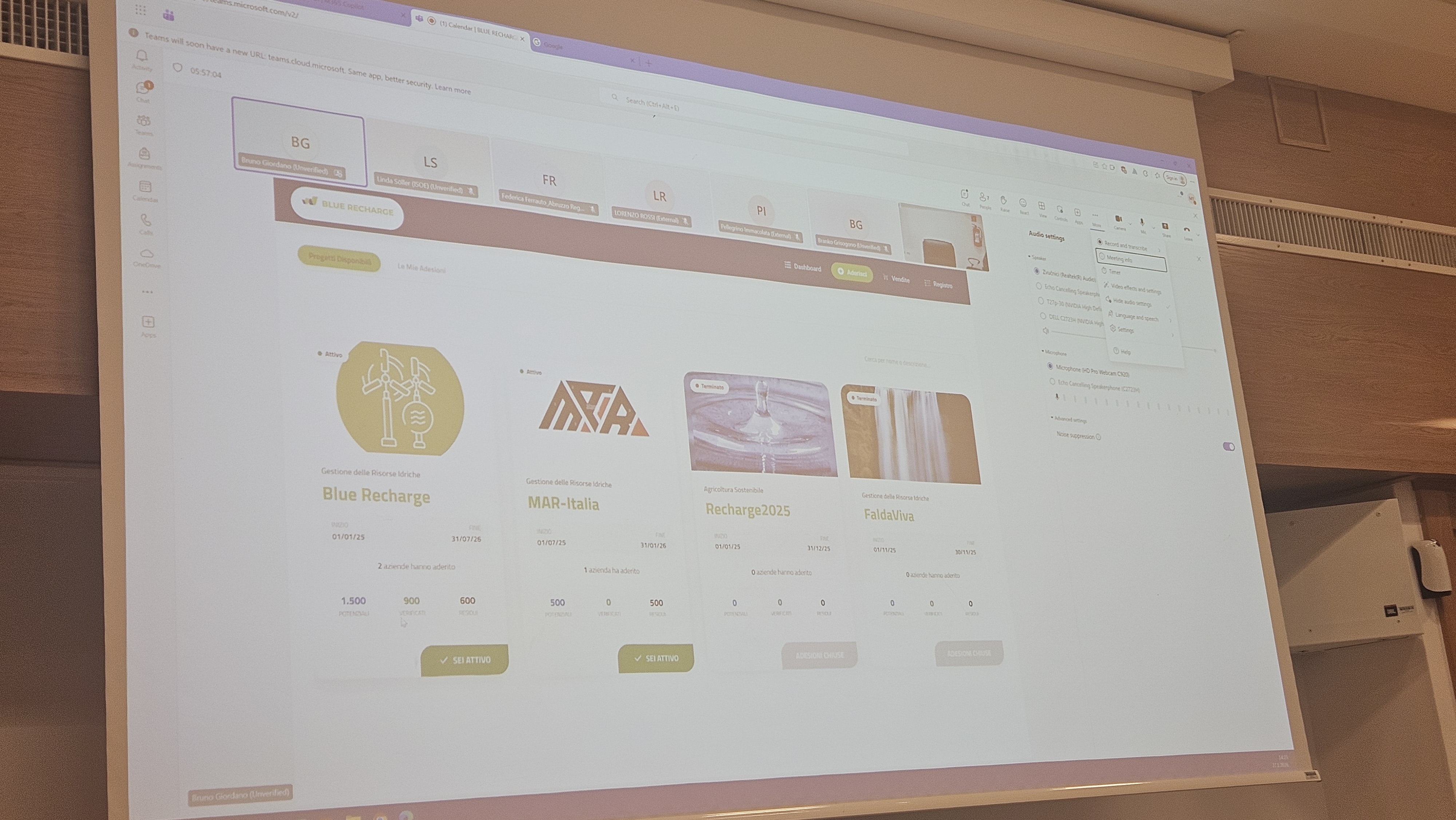
Based on a global review of 20 payment for ecosystem services and water credit market schemes, Alessandro Bosso (ART‑ER) presented the Blue Credits concept as a voluntary but strictly verified mechanism: each cubic metre of verified aquifer recharge can be turned into a credit recorded in a regional blockchain-protected registry and traded among organisations seeking to enhance their environmental performance. Sellers are MAR project developers, while buyers are primarily companies with environmental certifications and sustainability reporting obligations, with the possibility for citizens to participate; the core principles are additionality, measurability and permanence of benefits, under transparent supervision by public authorities and independent certification bodies.
In Session 3, Dr. Diana Mance (University of Rijeka, Faculty of Physics), through a presentation by Dr Diana Mance, further develops the understanding of the environmental impact of MAR in Southern Istria using isotope monitoring – stable hydrogen and oxygen isotopes, d‑excess, lc‑excess and radon‑222 as tracers to characterise water sources and flow paths. The results show meteoric origin of groundwater, rapid karst infiltration with minimal evaporation, and a heterogeneous aquifer structure with three functional zones differing in depth, residence time and suitability for MAR, providing a crucial scientific basis for safe planning of future interventions.
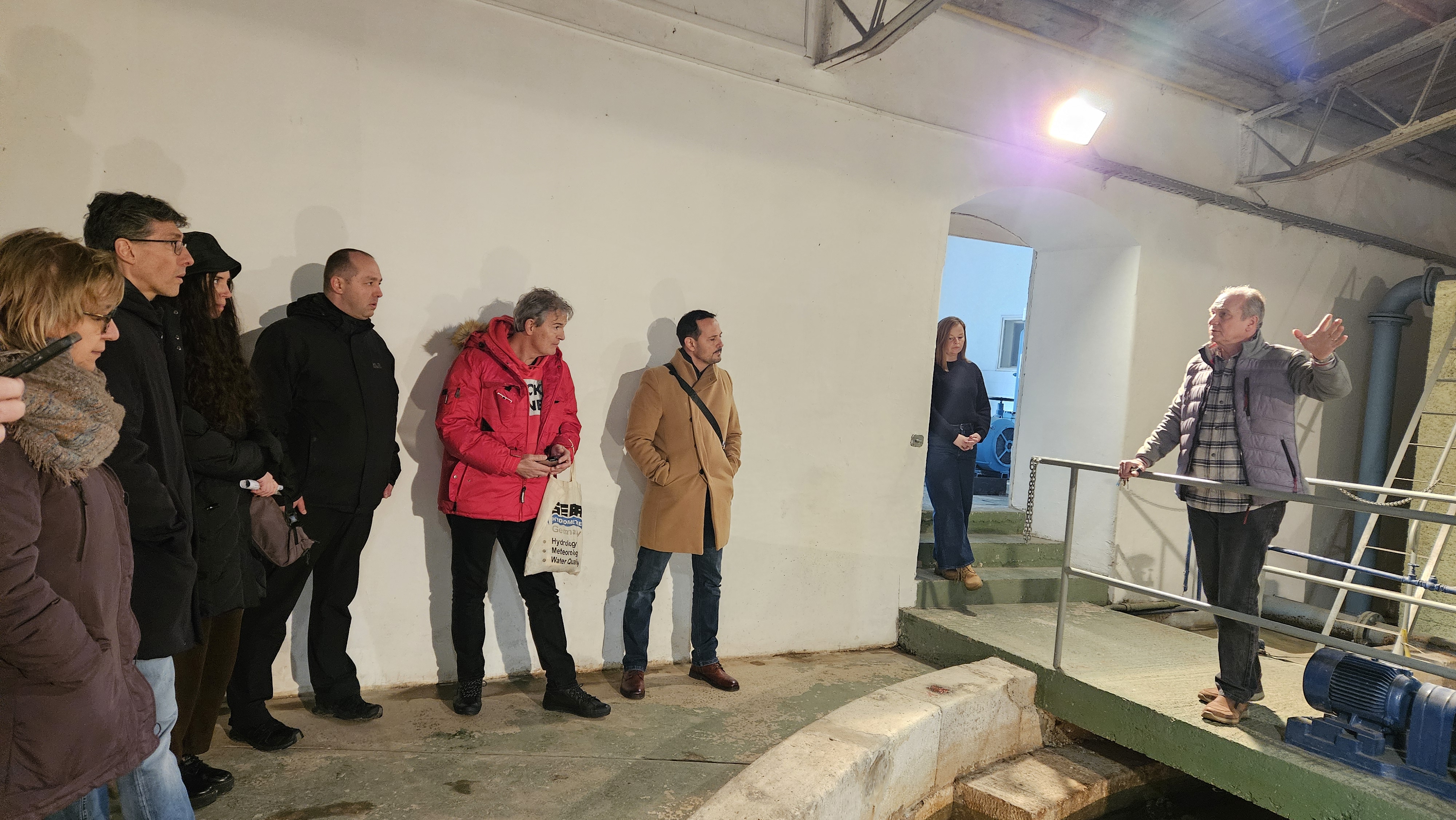
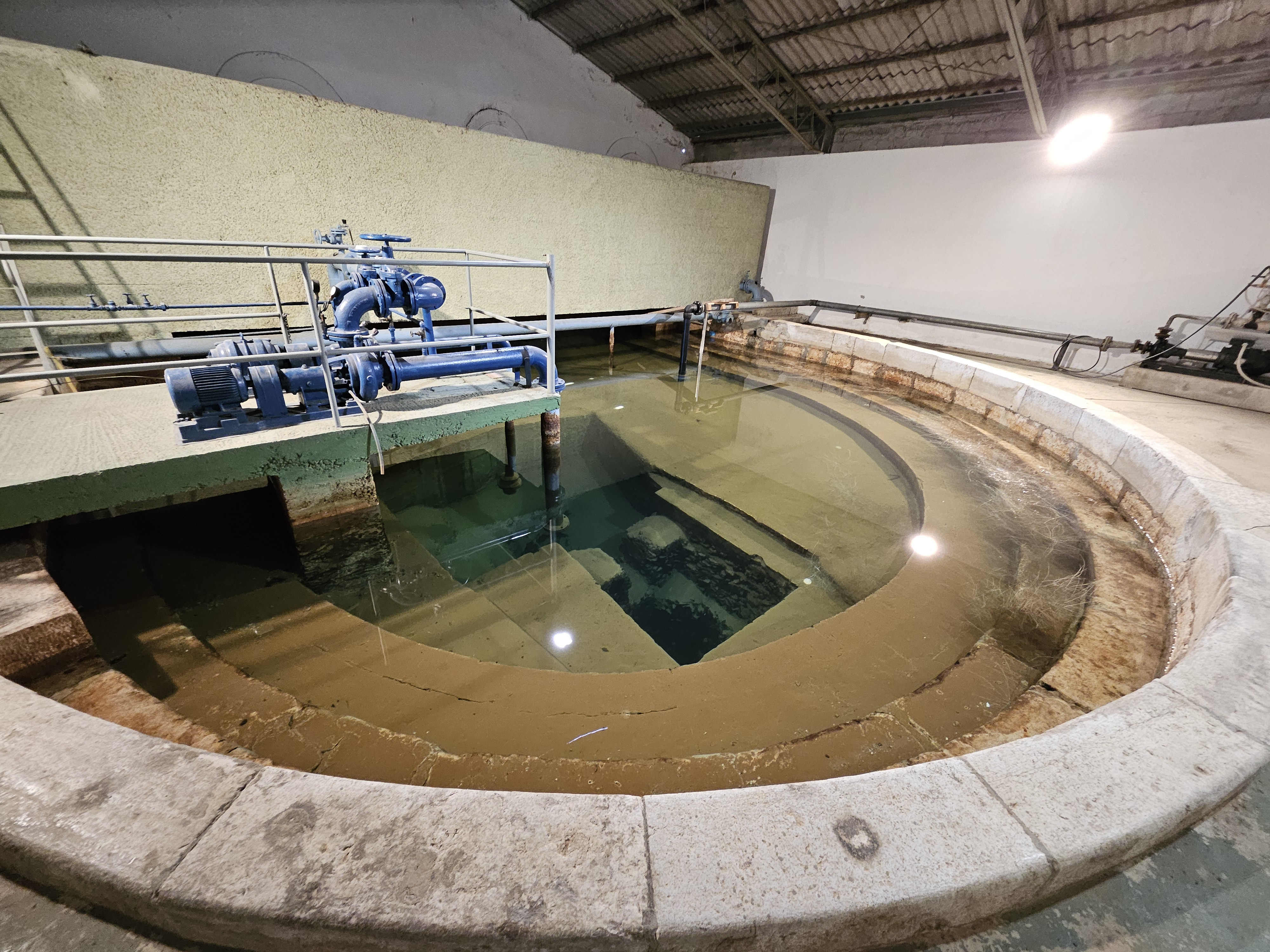
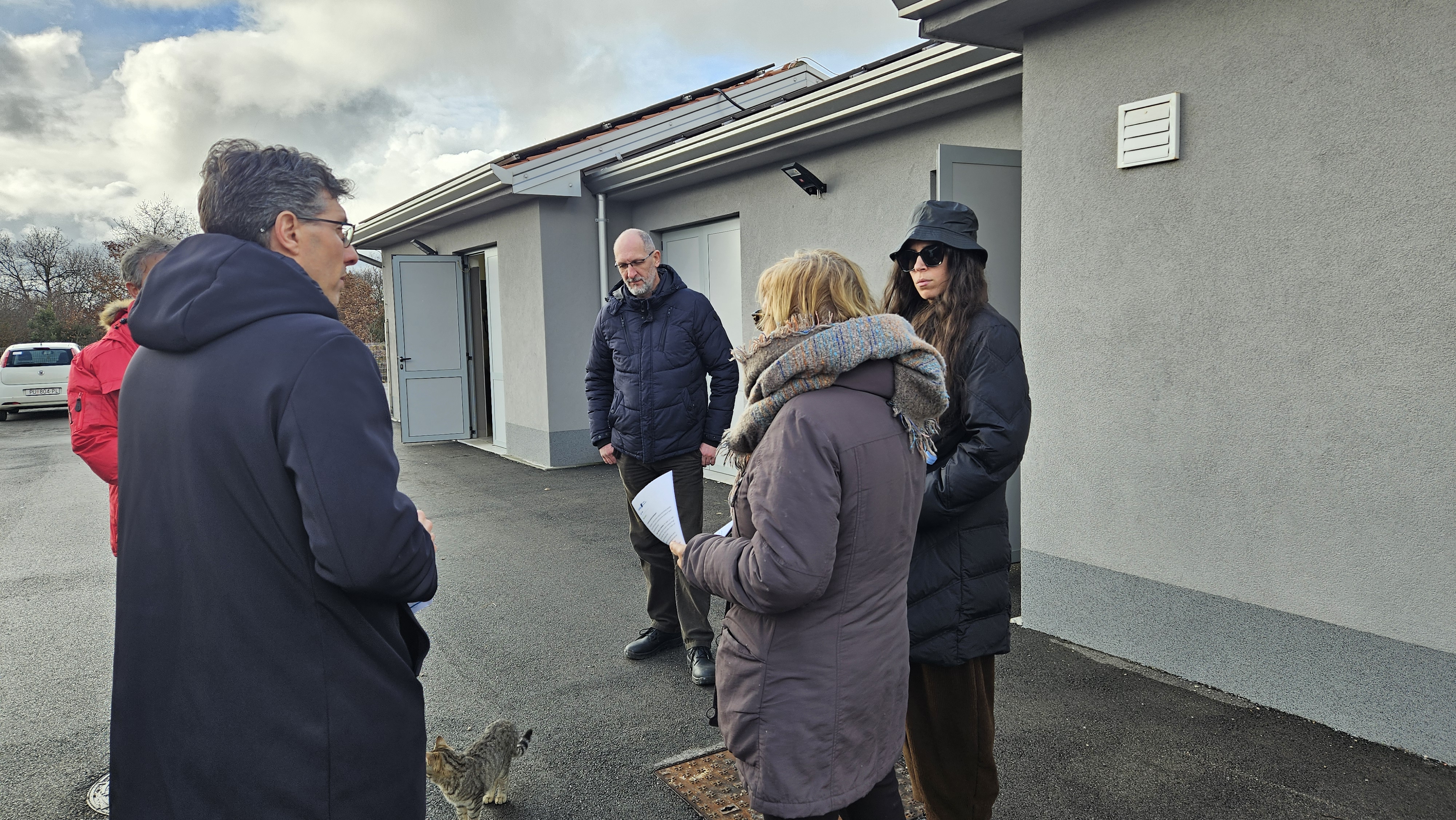
Participants visited key pilot locations – recharge wells in Loborica and Karolina, witnessing MAR infiltration of treated water that protects aquifers from saltwater intrusion, while in Rijeka concrete results and plans confirmed how combining managed aquifer recharge, advanced monitoring, local planning, and economic incentives offers a realistic pathway to more secure, climate-resilient groundwater in coastal karst areas.