

Round Table in Vodnjan: Water as a resource of the future – the blue credits model in Istria
25/12/2025
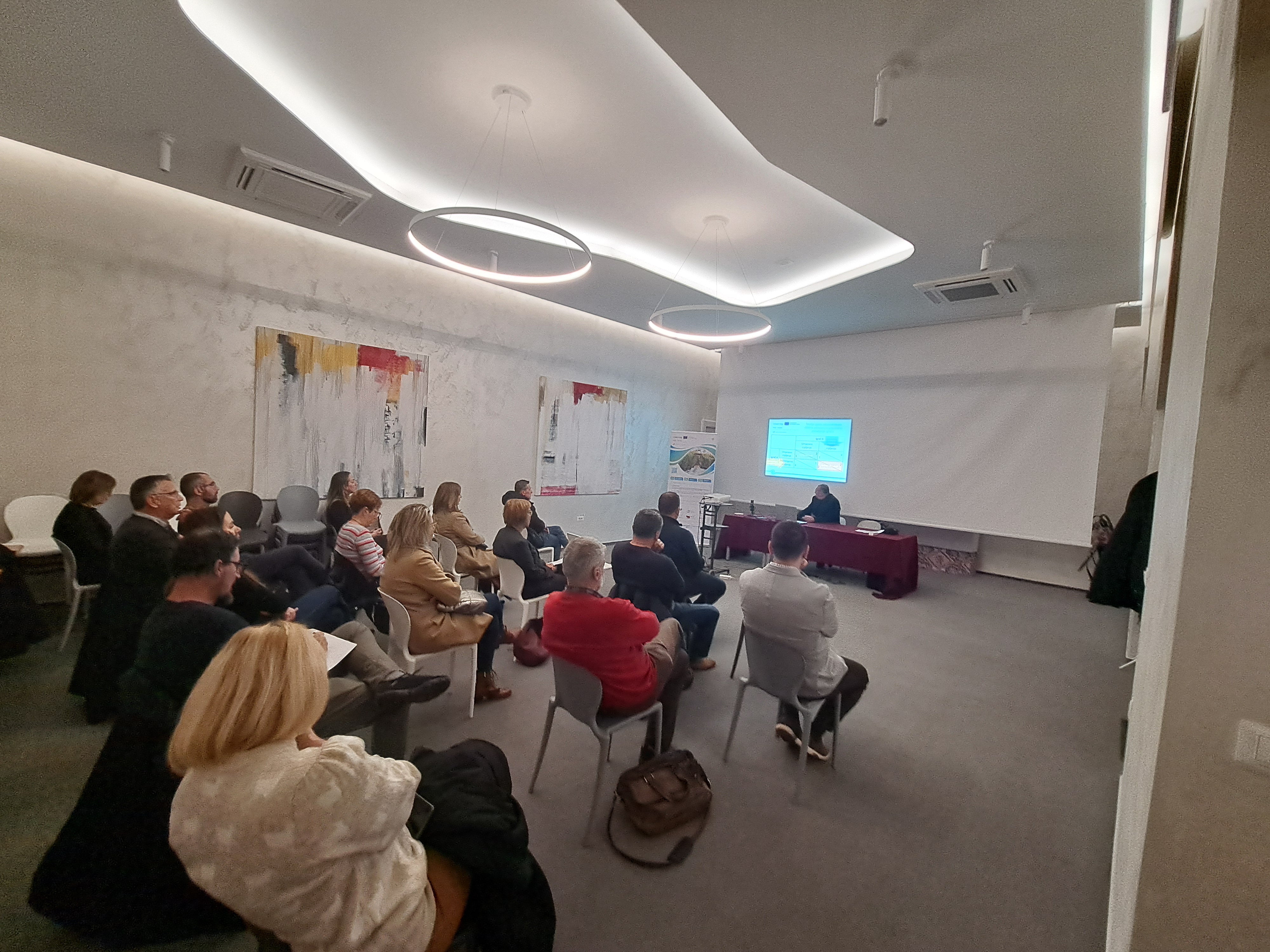
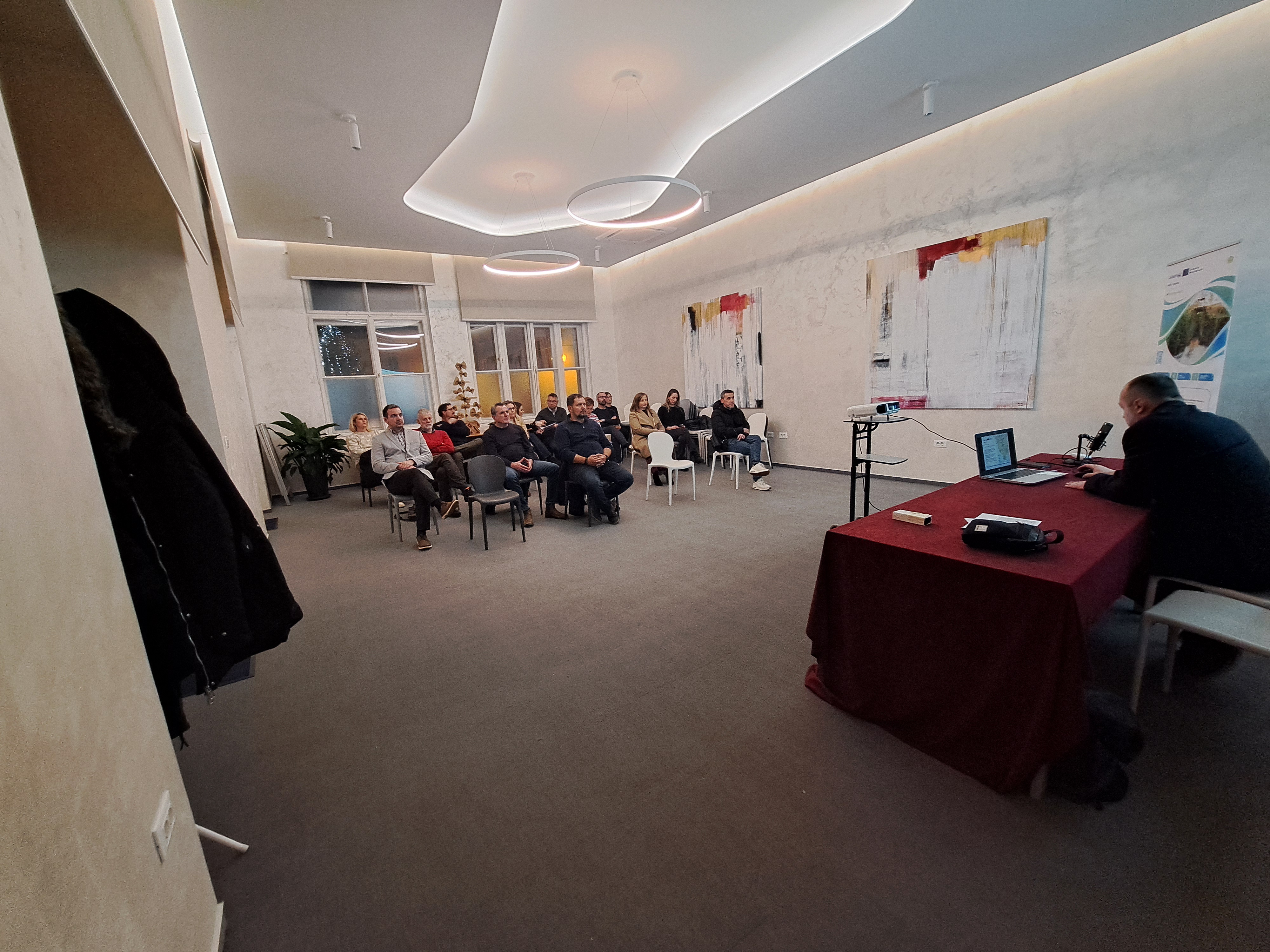
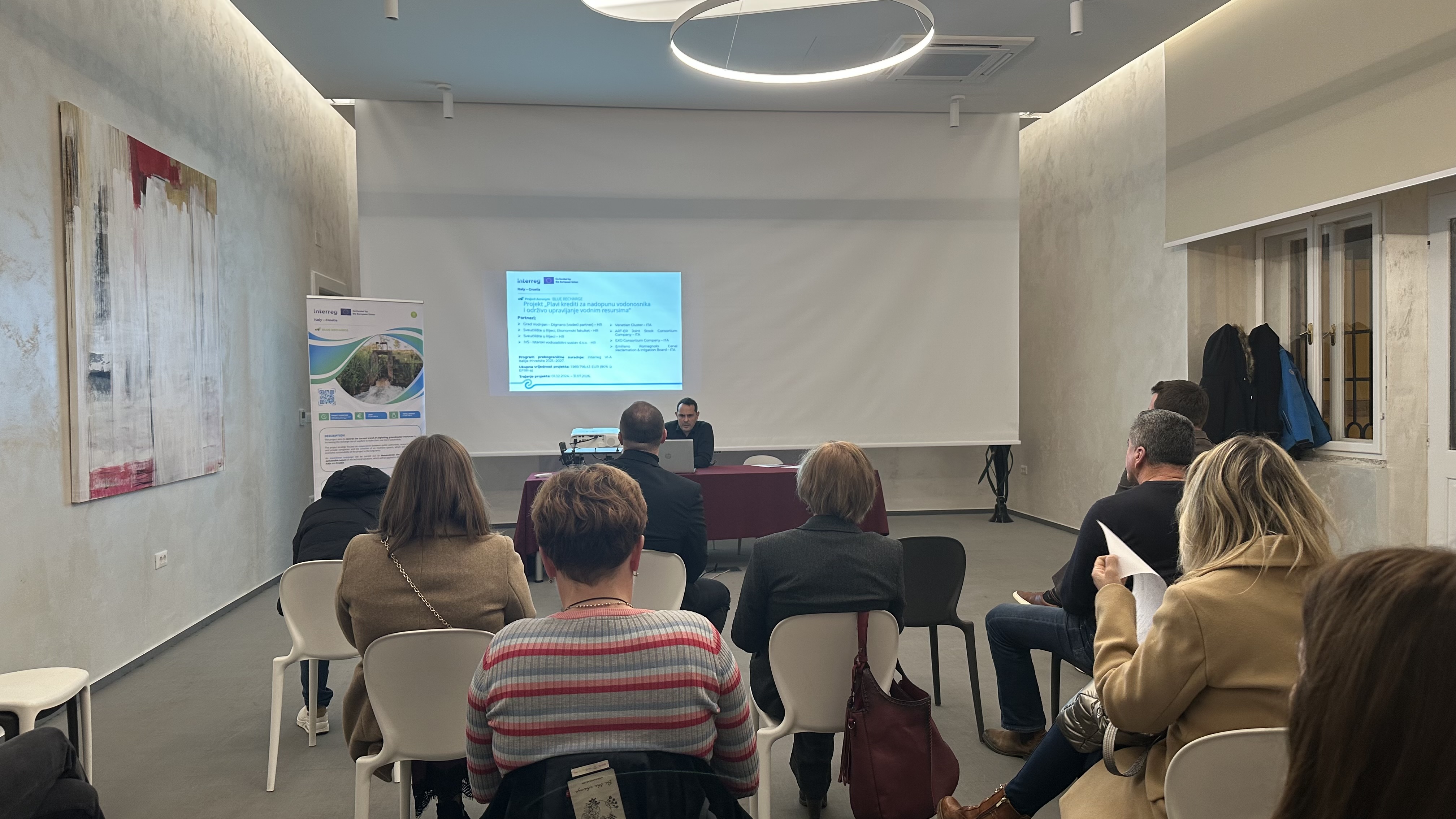
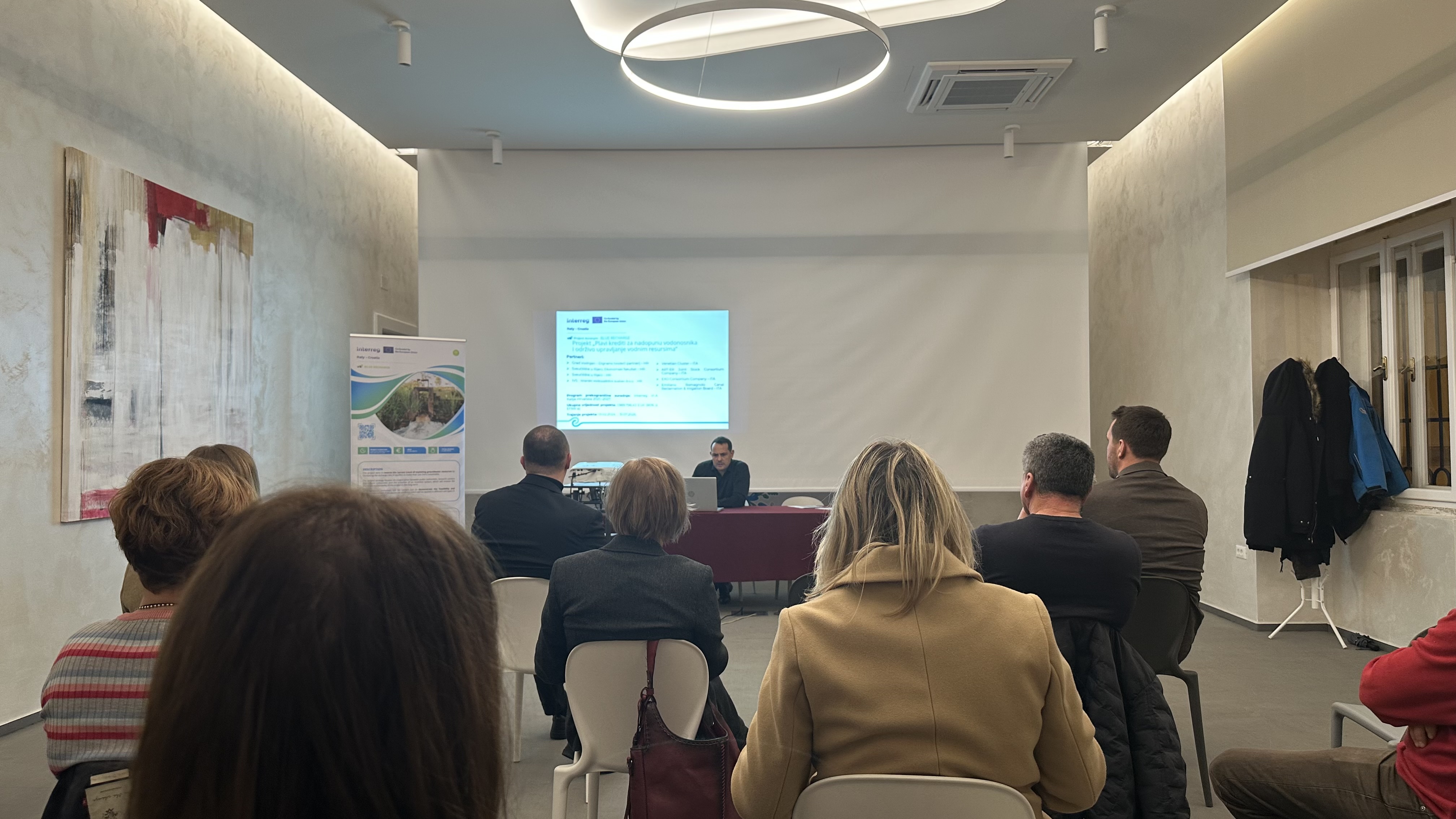
The City of Vodnjan – Dignano organized a round table titled “Water as a resource of the future – the blue credits model in Istria” on 22 December 2025, where the cross‑border project BLUE RECHARGE was presented to the public, financed under the Interreg VI-A Italy–Croatia 2021–2027 programme, with a value of EUR 1,989,798.43, 80% of which comes from the ERDF. The round table brought together city representatives, experts from Croatia and Italy, and the academic community to discuss how innovative financial instruments can help protect Istria’s groundwater resources.
Water as a common good in the EU framework
Participants emphasized that the discussion on water in Istria cannot be held in isolation from the broader European framework, which sets very clear targets. The Water Framework Directive, the European Green Deal, the EU Biodiversity Strategy for 2030, and the Climate Change Adaptation Strategy were highlighted as key documents requiring Member States to achieve good chemical and quantitative status of water bodies by 2027. In this context, water is viewed as a common good that can be easily over‑exploited if there are no clear rules and effective incentives for responsible use.
Challenges in southern Istria: over‑abstraction and seasonal pressures
Experts pointed out that southern Istria is a prime example of an area where climate risks collide with growing water demand. It was stressed that excessive abstraction from coastal aquifers, combined with sea level rise and increasingly frequent droughts and storms, leads to seawater intrusion and salinization of drinking water sources. Speakers also underlined the strong seasonal impact of tourism: precisely in the summer months, when aquifer recharge is at its lowest, water demand rises sharply, especially along the coast, placing additional pressure on the entire system.
Prisoner’s dilemma and the consequences of “everyone for themselves”
During the discussion, an example from game theory was used to explain why, in the absence of clear rules, water users often behave in ways that are ultimately harmful to everyone. It was explained that, for an individual user, it appears rational to “take as much as possible while water is still available”, but if everyone follows the same logic, the outcome is a classic prisoner’s dilemma – all end up in a worse position. Participants warned that such behaviour leads to resource degradation, a lasting reduction in available quantities for all users, and accelerated salinization of aquifers.
Objectives: from scientific insight to concrete measures
The round table highlighted that the BLUE RECHARGE project does not stop at analysing the problem, but sets very concrete goals for southern Istria. The aim is to achieve and maintain good chemical and quantitative status of groundwater, reverse the trend of over‑exploitation and increase managed aquifer recharge (MAR). The project foresees the development of an integrated knowledge system on aquifer structure and status, stronger stakeholder involvement in groundwater use planning, and the implementation of specific MAR solutions as a response to climate and demand pressures.
Economic tools: prices, quotas and local specificities
Participants devoted special attention to which economic tools are most suitable for water management. It was underlined that water can be managed through prices (taxes and fees) or through quantities (quotas and caps), and that the choice between these two approaches depends on how sensitive the system is to ecological thresholds. It was highlighted that price‑based instruments are more appropriate when the main risk relates to high adjustment costs, while quantity‑based instruments are essential where even a small additional volume can cause irreversible damage, such as salinization of coastal aquifers.
The discussion repeatedly stressed that there can be no “one‑size‑fits‑all” solution; measures must take into account local hydrogeological conditions, the shallow and sensitive nature of aquifers, large seasonal variations in consumption, and the fact that households and businesses are not equally connected to public water supply and sewerage systems.