
Dissemination Workshop “A More Climate-Resilient Adriatic – From Monitoring Changes to Local Solutions” Held in Zadar
29/06/2026
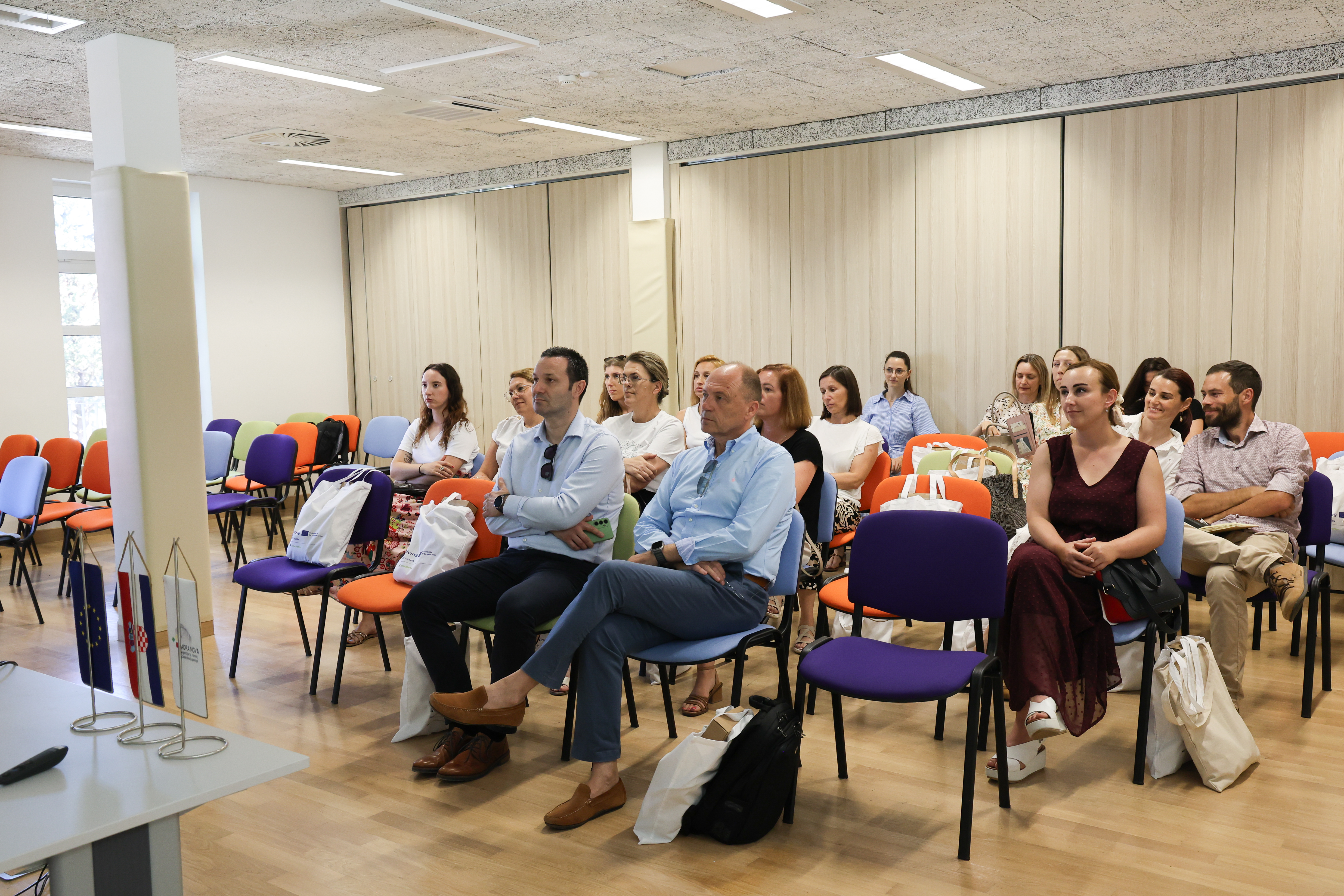
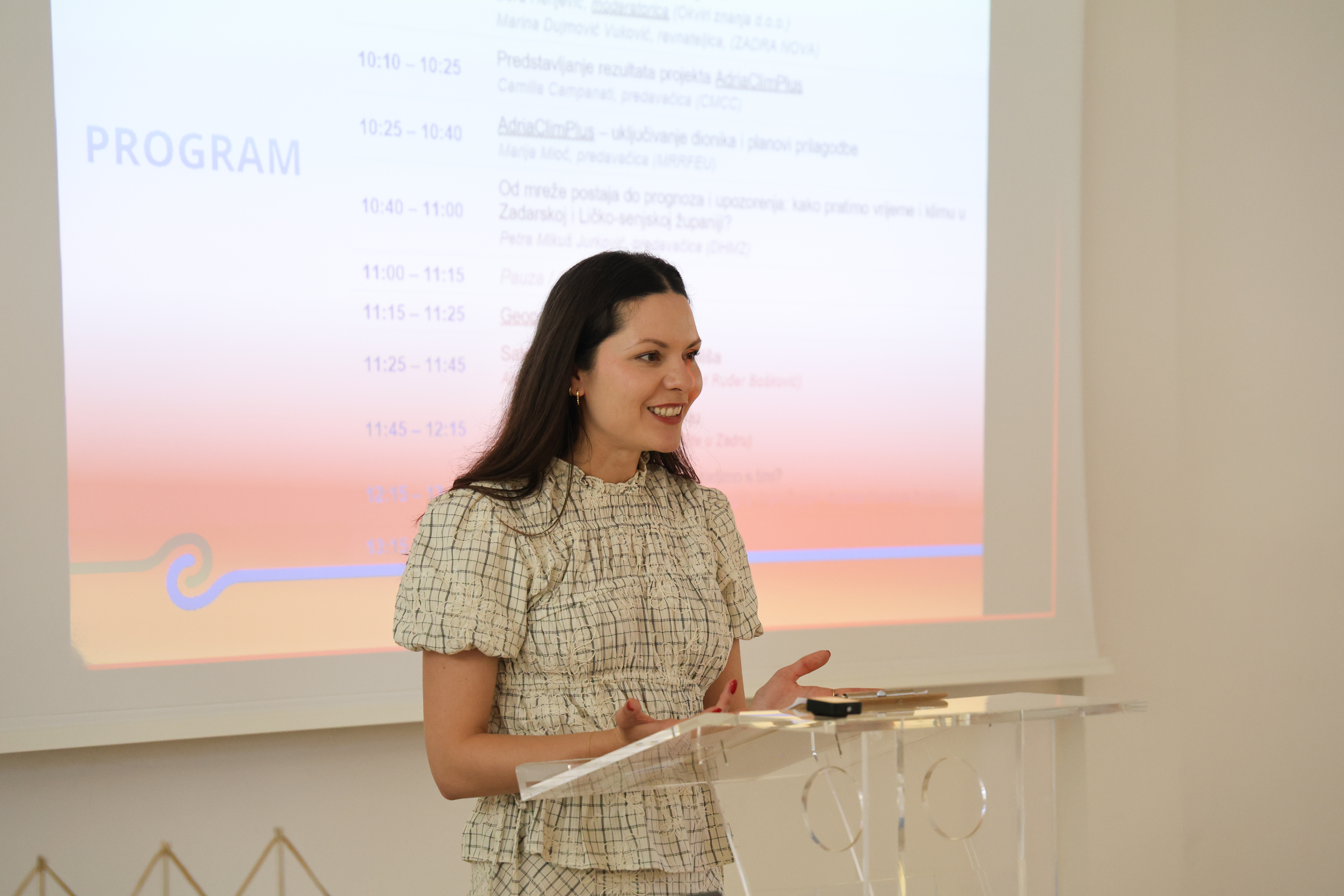
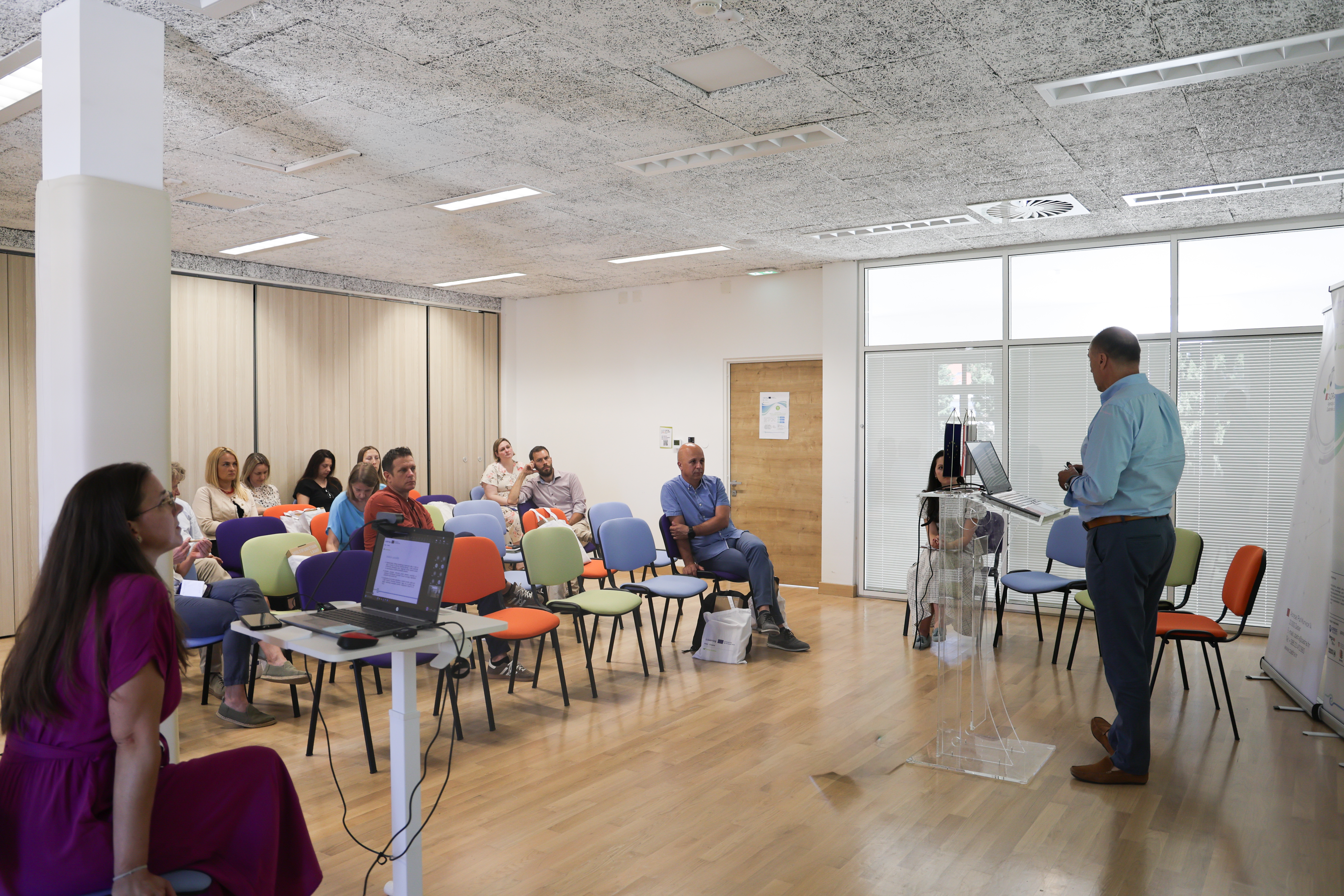
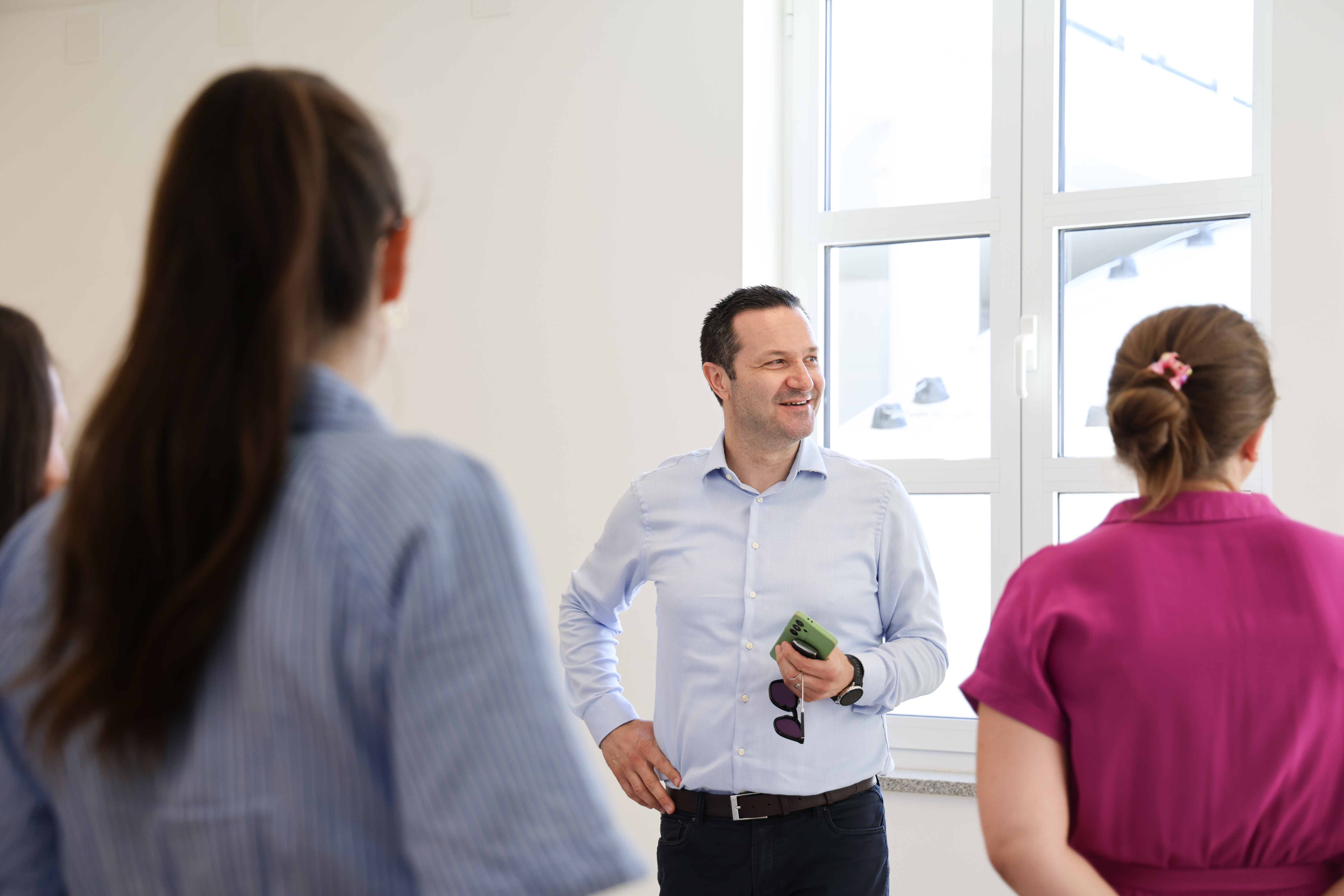
On 26 June 2026, the dissemination workshop “A More Climate-Resilient Adriatic – From Monitoring Changes to Local Solutions” was successfully held in a hybrid format, bringing together participants in Zadar and online to discuss climate adaptation and resilience in the Adriatic region.
The event was organised by the Zadar County Development Agency ZADRA NOVA within the framework of the AdriaClimPlus project.
Held at the Youth Centre in Zadar and streamed online via MS Teams, the workshop provided a platform for sharing knowledge, presenting project results, and discussing practical approaches to addressing climate challenges affecting coastal communities.
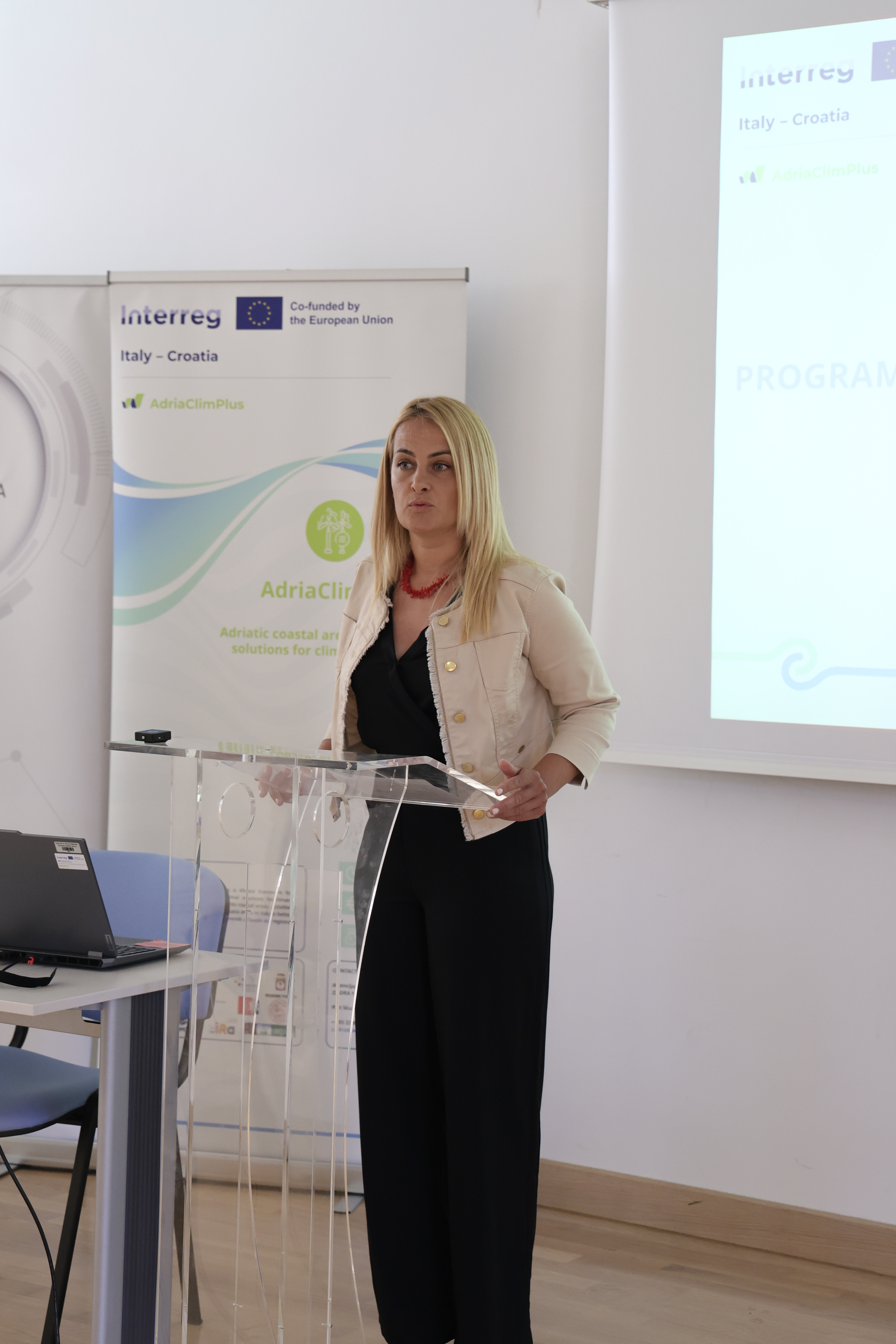
The workshop was opened by Ana Dušević, the Head of the Project Sector in Zadar County Development Agency ZADRA NOVA, who welcomed participants and highlighted the importance of strengthening climate resilience through cooperation, knowledge exchange, and evidence-based decision-making.
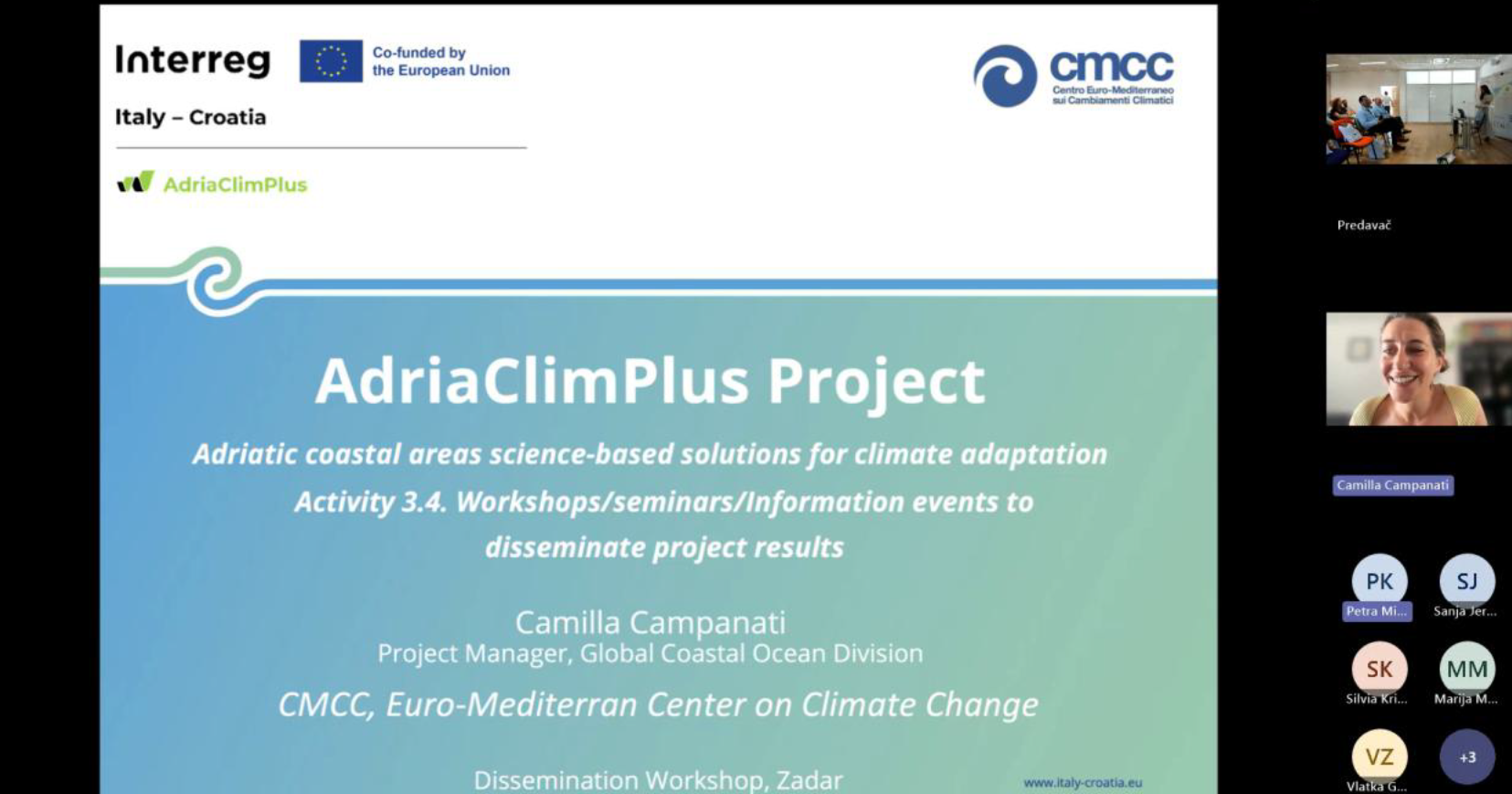
The programme began with a presentation of the key results achieved through the AdriaClimPlus project, delivered by Camilla Campanati from Euro-Mediterranean Center on Climate Change Foundation
Participants gained insight into the project's contribution to improving climate monitoring, forecasting, and adaptation planning across the Adriatic area.
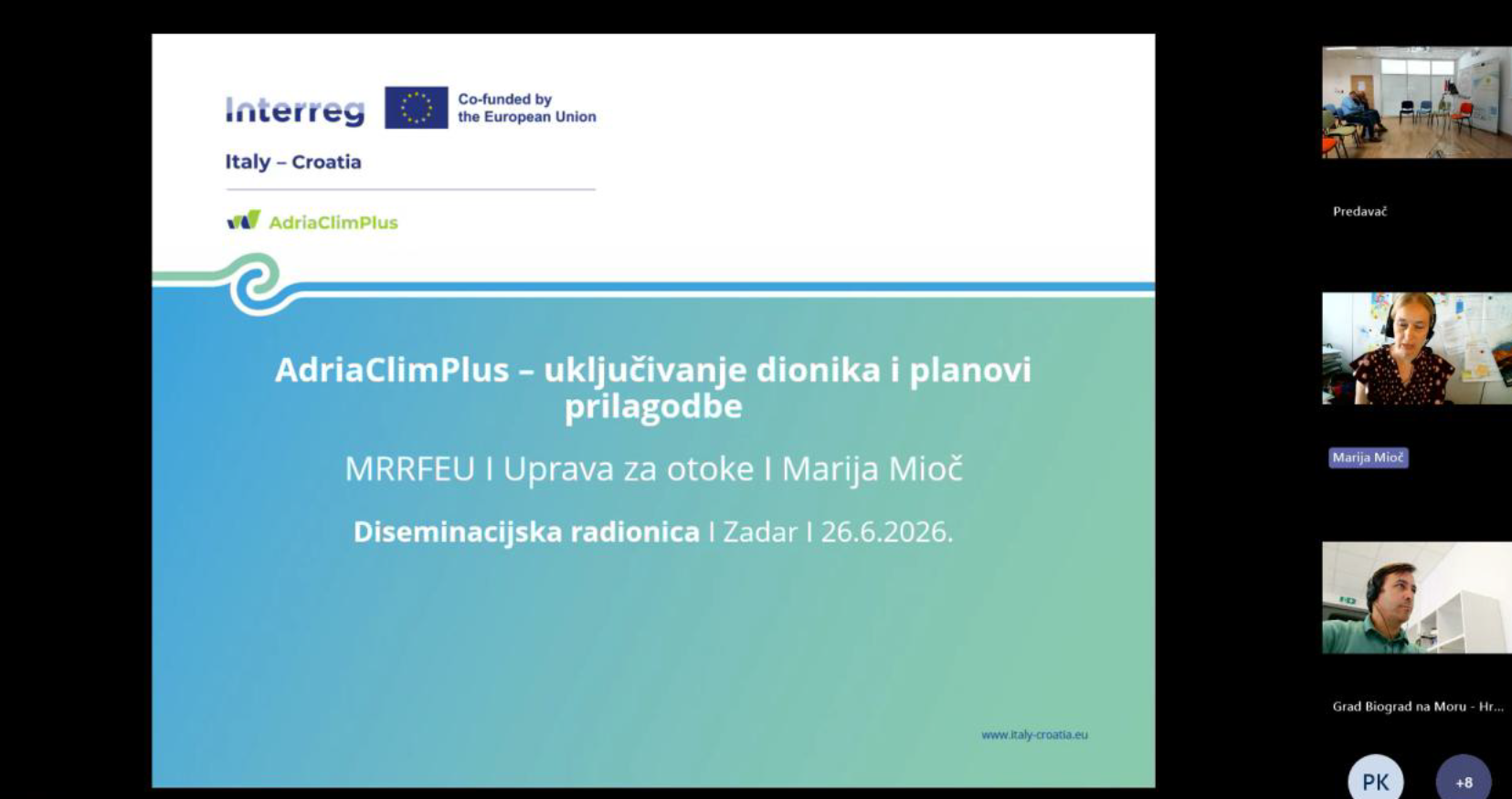
Marija Mioč from the Ministry of Regional Development and EU Funds presented the role of stakeholder engagement and adaptation planning, emphasizing the importance of involving local and regional actors in the development and implementation of climate resilience measures.
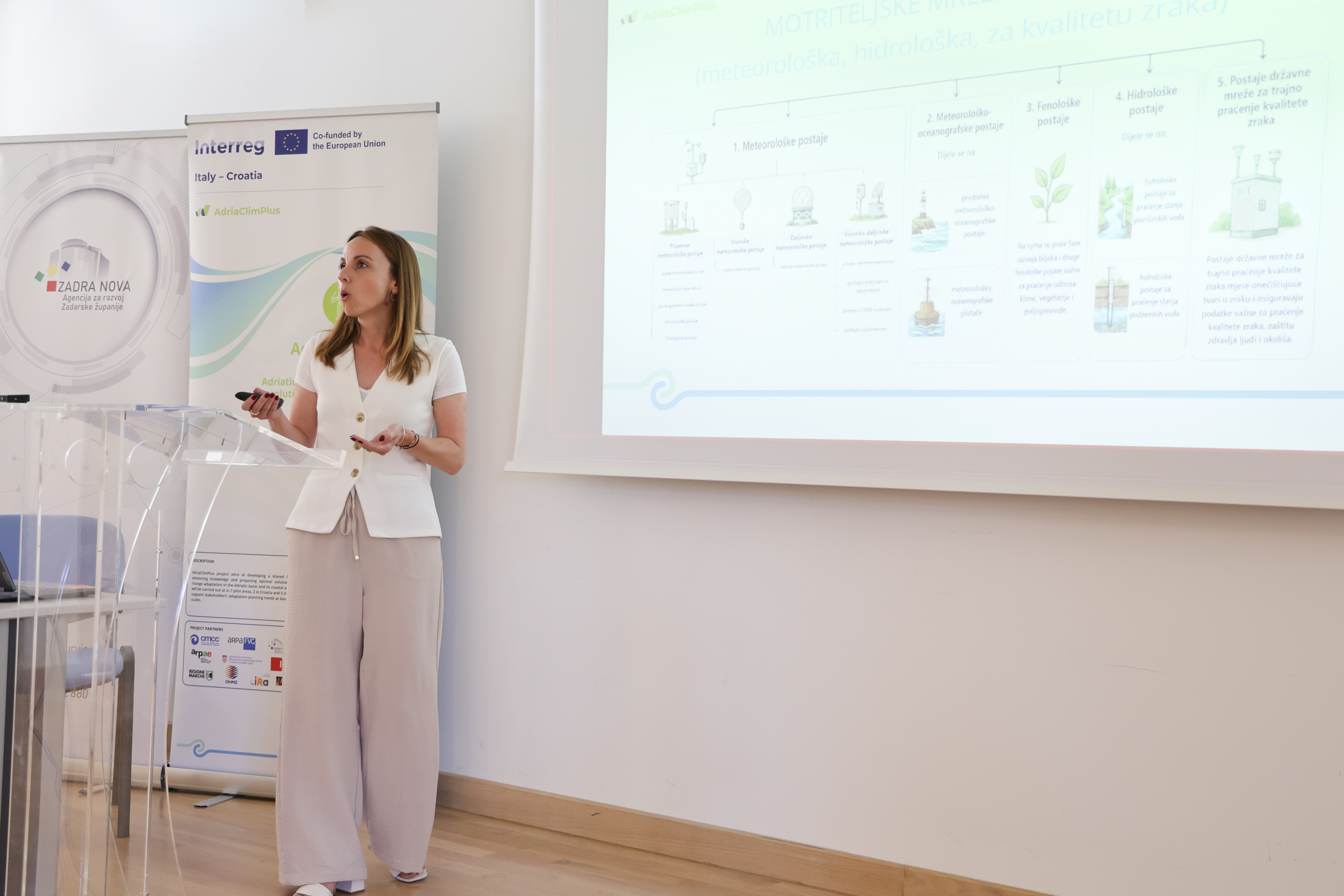
Further discussions focused on climate monitoring and environmental data. Petra Mikuš Jurković from the Croatian Meteorological and Hydrological Service (DHMZ) presented the systems and methodologies used to monitor weather and climate in Zadar and Lika-Senj counties, demonstrating how observations, forecasts, and warning systems support climate adaptation efforts.
The workshop continued with a presentation by Zoran Šikić from the University of Zadar, who introduced the nature-based solution implemented within the AdriaClimPlus project. The solution, installed at two locations in Zadar County, represents an upgrade of the system previously developed through the AdriaClim project and is based on atmospheric water harvesting technology, capturing moisture from the air to provide an innovative response to climate-related challenges and increasing water scarcity.
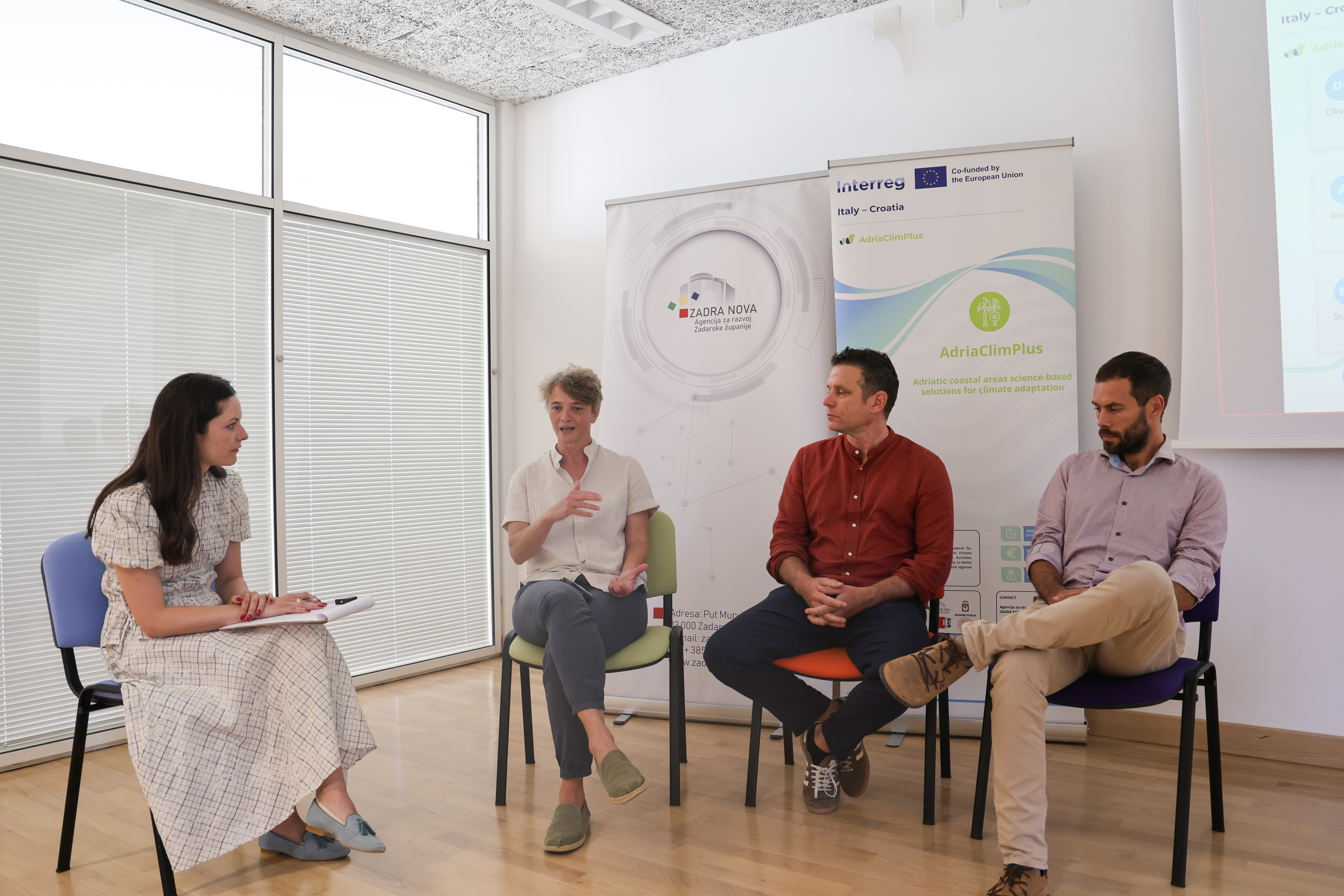
The event concludd with a panel discussion titled “The Coast is Changing – What Are We Doing About It?”, featuring Mirna Mazija, Ivan Župan, and Andrea Cantore Badurina. The discussion focused on the visible impacts of climate change along the Adriatic coast, the availability and use of environmental data, the role of local communities in adaptation processes, and the practical measures needed to strengthen resilience.
Panelists agreed that climate change is no longer a future challenge but a reality already affecting coastal ecosystems, water resources, infrastructure, and local livelihoods. They emphasized that effective adaptation requires a combination of reliable monitoring systems, accessible and understandable data, stronger cooperation between scientists, public authorities, and citizens, as well as the integration of climate considerations into local and regional planning processes.
Attention was given to the importance of translating scientific knowledge into practical solutions that can be implemented on the ground. Nature-based solutions, innovative monitoring technologies, and stakeholder engagement were highlighted as key elements for building resilient coastal communities. The discussion also underscored the need for continuous investment in climate adaptation measures and for strengthening public awareness of climate-related risks and opportunities.
The workshop highlighted the importance of combining scientific knowledge, innovative tools, stakeholder engagement, and cross-sector cooperation to support climate adaptation and sustainable development in the Adriatic region.
We would like to thank all speakers, panelists, participants, and project partners for their valuable contributions and active participation. Through events such as this, AdriaClimPlus continues to strengthen knowledge exchange and support evidence-based climate adaptation across the Adriatic area.