

Meeting with local stakeholders from Zadar and Lika-Senj Counties
18/02/2026
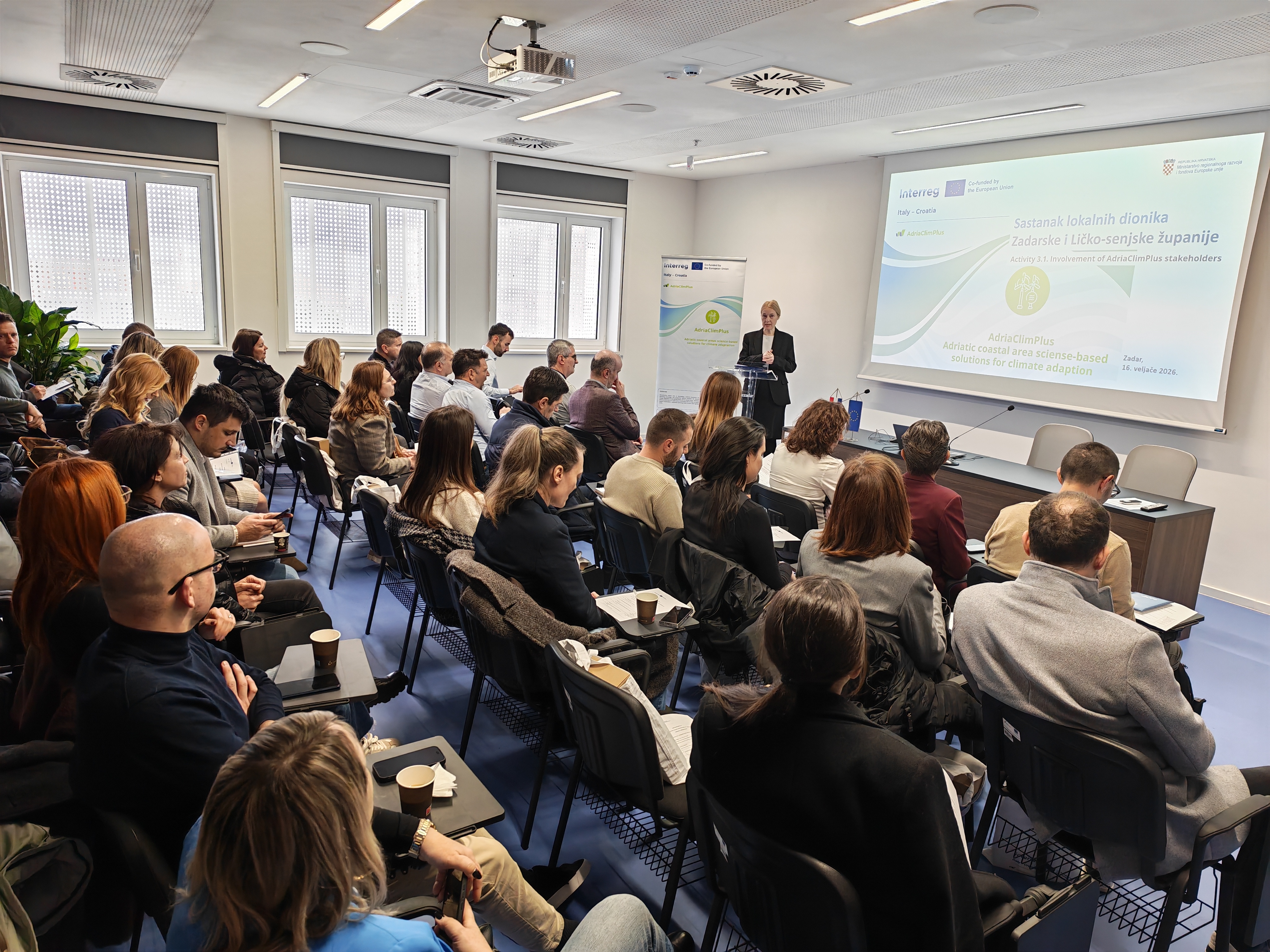
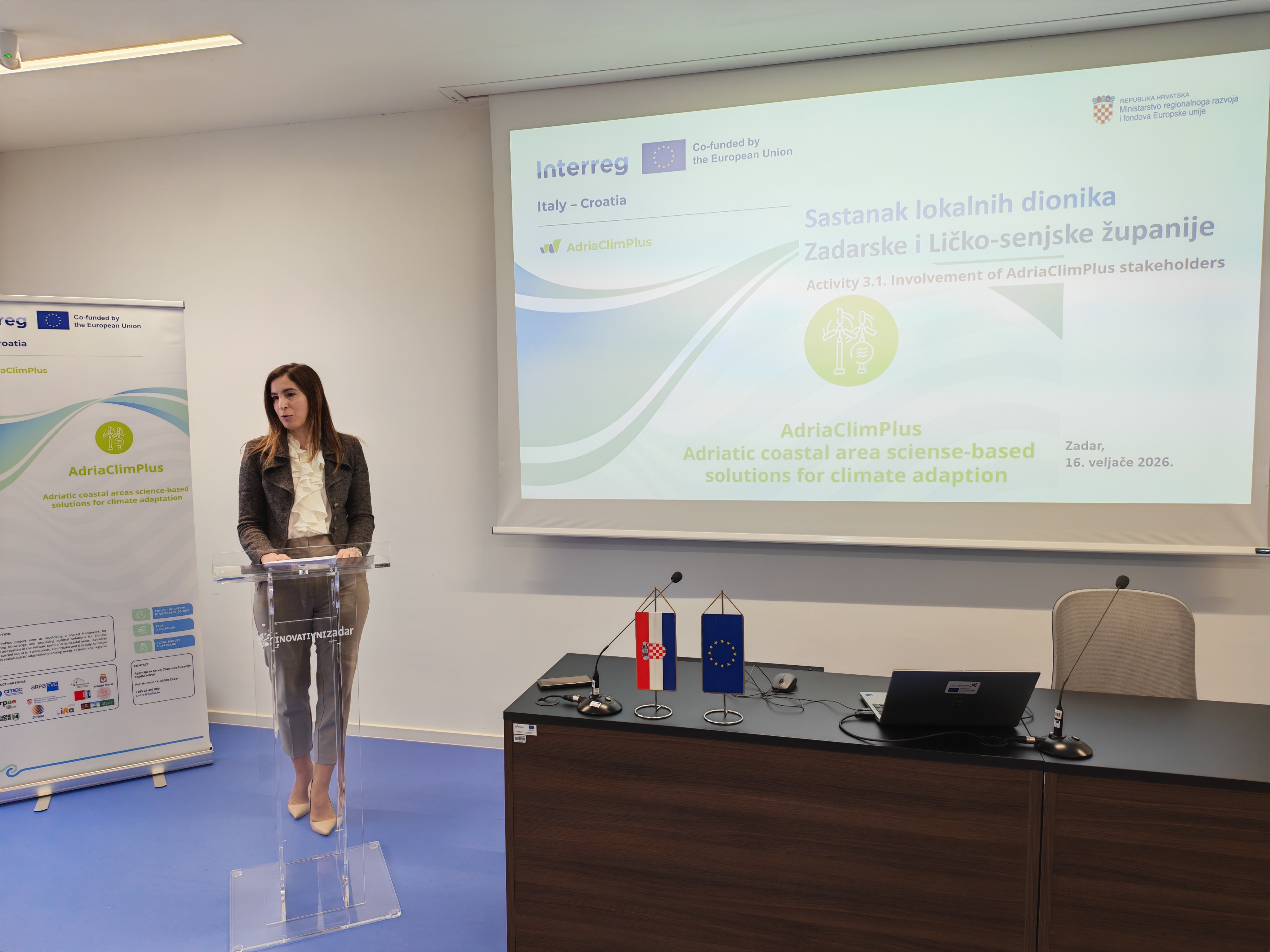
On 16 February 2026, the Ministry of Regional Development and EU Funds organised a local stakeholder meeting in Zadar, Croatia.
The meeting aimed to introduce the project activities, inform local stakeholders about its current progress, share new insights on the impacts of climate change on the region, and outline the next steps. The pilot areas on the Croatian side include coastal and island regions of Zadar and Lika-Senj Counties.
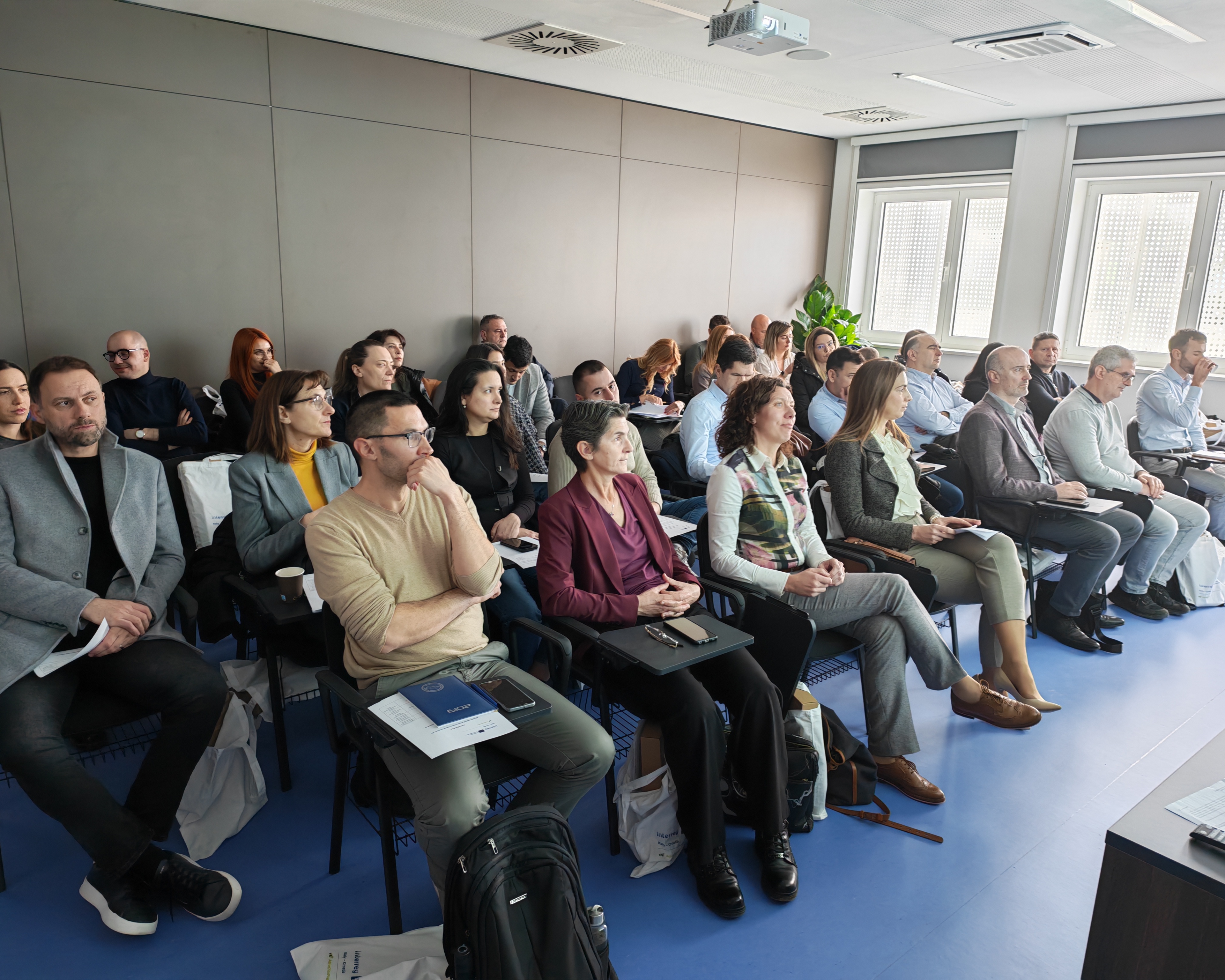
The event, held with the support of project partners Zadar County Development Agency ZADRA NOVA and the Ruđer Bošković Institute, was attended by nearly 40 participants, including representatives of local and county authorities, scientific and educational institutions, environmental institutions, local businesses connected to coastal and island areas, LAGs and FLAGs, civil society organizations, and other institutions. Representatives of the associated partner Lika-Senj County Development Agency LIRA also participated.
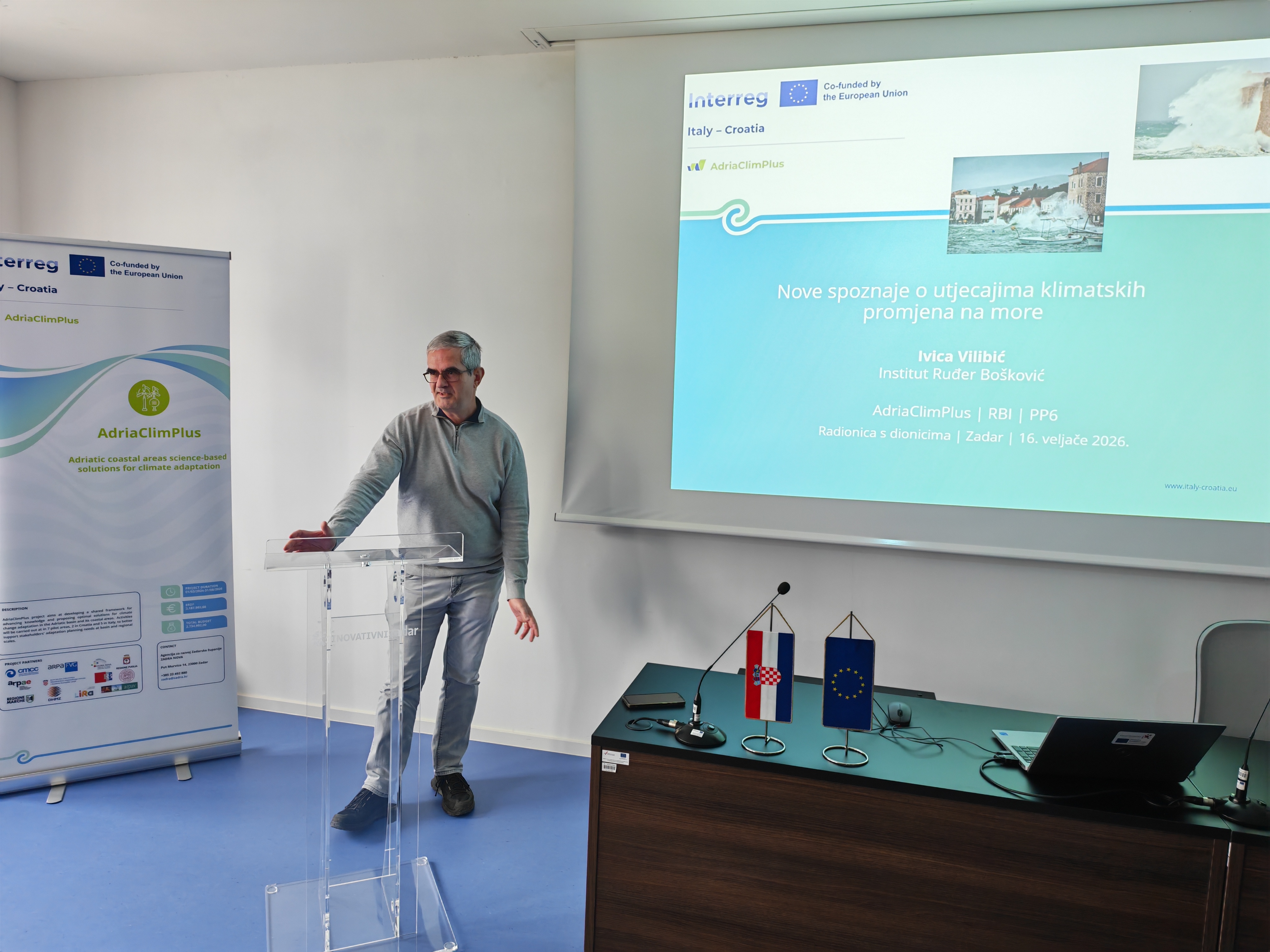
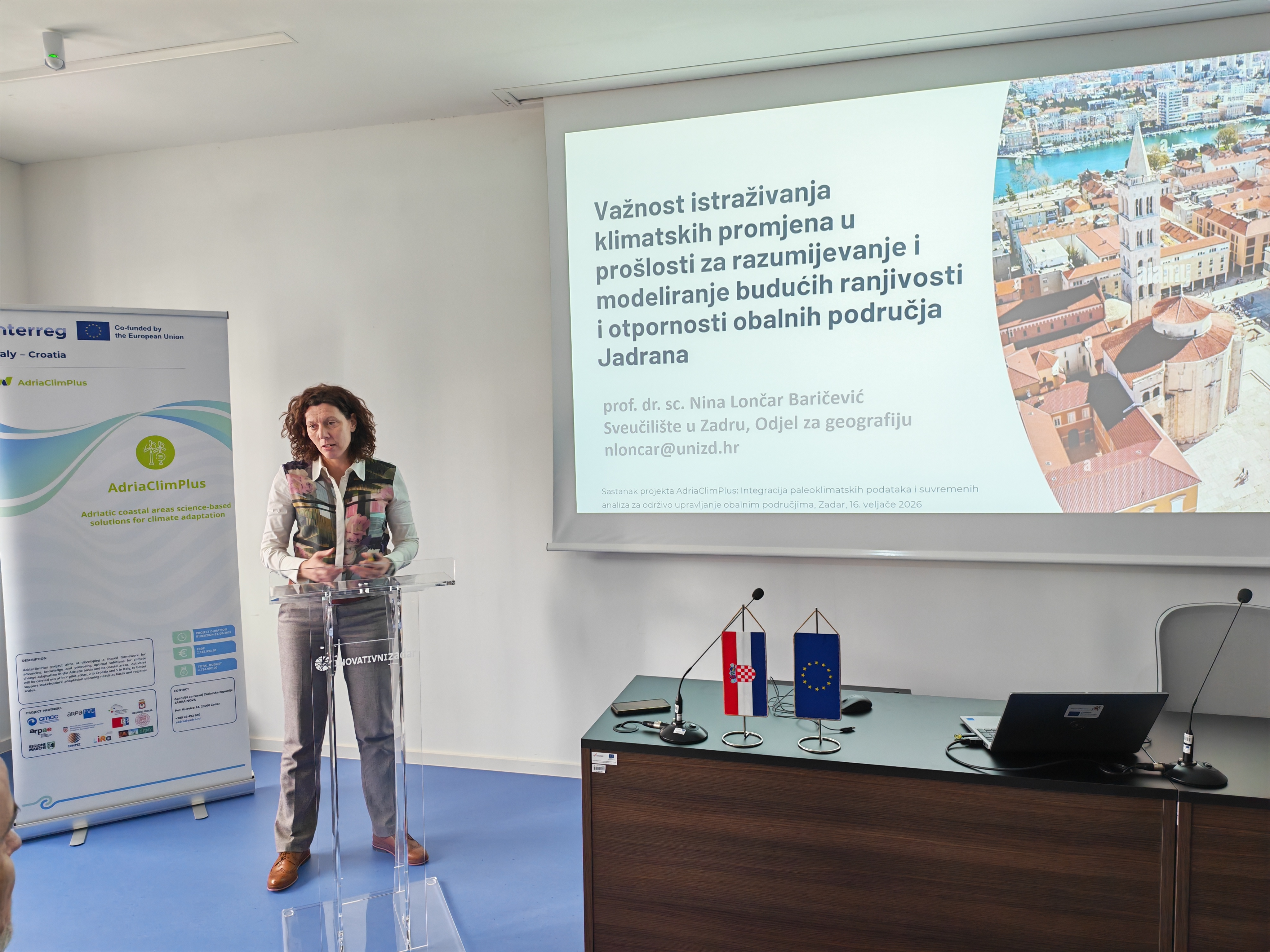
The meeting featured an introduction to the project by Ministry representative, followed by two presentations:
-
“New insights on the impacts of climate change on the sea” by Ivica Vilibić, PhD (Ruđer Bošković Institute, Department for Marine and Environmental Research)
-
“The importance of past climate research for understanding and modeling future studies – vulnerabilities and resilience of coastal areas” by Nina Lončar Baričević, PhD (University of Zadar, Department of Geography)
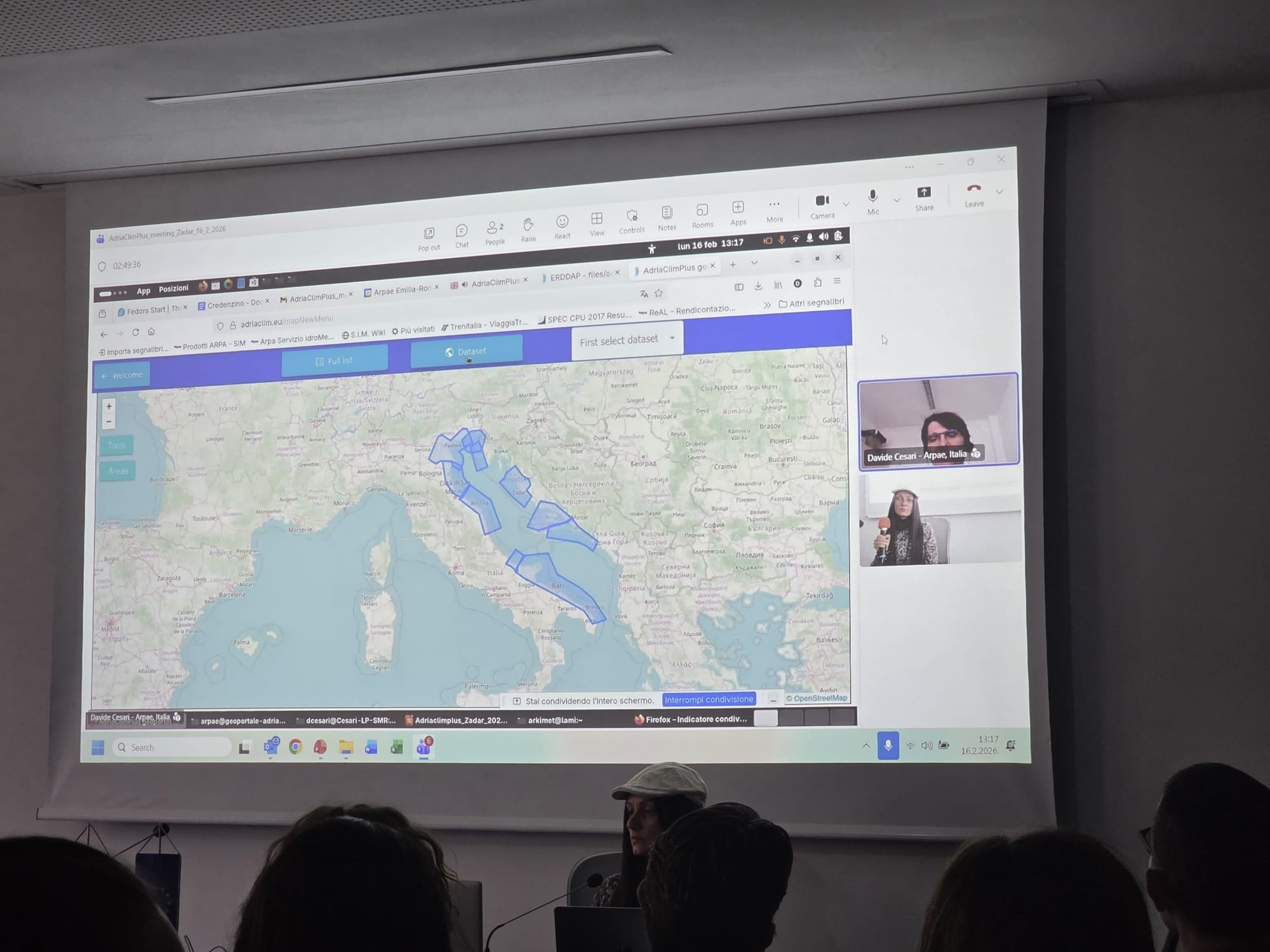
Additionally, Mr Davide Cesari (Arpae), presented online one of the key outcomes of the project – the Geoportal Adriaclim platform.
This meeting marks the beginning of continued collaboration with end-users from Zadar and Lika-Senj Counties, providing tools for modelling climate scenarios with higher accuracy, supporting evidence-based decision-making, and helping local policymakers plan climate adaptation measures effectively.
The meeting concluded with an encouraging message:
Education and stakeholder involvement is vital, as is smart guidance in decision-making, because in this way, in spheres of activity where we are very vulnerable, we can become resilient.